6 months ago

Students Today Don’t Need More Pressure — They Need Smarter Solutions

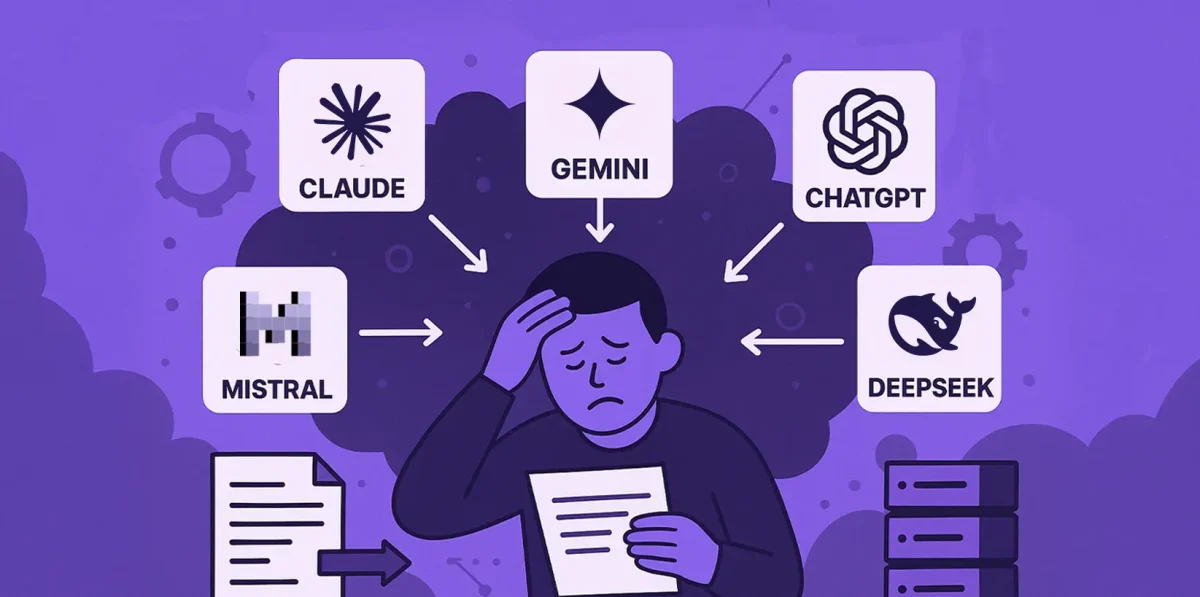
In today’s fast-moving academic world, students are facing more pressure than ever before. From competitive exams and endless assignments to project deadlines and career uncertainty, student life has become increasingly overwhelming. Education is evolving rapidly, but for many students, the learning experience still feels stressful, confusing, and exhausting. The problem is not a lack of ambition. The problem is information overload, poor organization, and the absence of smart academic support systems. That’s exactly where Docsity aims to make a difference. The Reality of Modern Student Life Today’s students are expected to manage multiple responsibilities at the same time: Preparing for competitive exams Completing assignments and projects Managing class notes and study materials Balancing online and offline learning Meeting strict academic deadlines Handling personal stress and burnout For many students, this constant pressure affects not only academic performance but also mental well-being. Instead of enjoying the learning process, students often find themselves stuck in survival mode — studying under stress, searching endlessly for resources, and struggling to stay organized. The Biggest Challenges Students Face 1. Too Much Information, Too Little Clarity Students today have access to unlimited information online. But finding the right study material is often difficult and time-consuming. Instead of focusing on learning, students spend hours searching for notes, PDFs, solutions, and reliable content. 2. Lack of Organized Study Support Many students struggle because their learning resources are scattered across multiple platforms, apps, and websites. This creates confusion, wastes time, and reduces productivity. 3. Academic Pressure and Burnout The pressure to score higher, compete better, and succeed faster has created a stressful academic environment. Students are constantly expected to perform without having proper tools to manage their workload effectively. 4. Difficulty Staying Consistent Without proper guidance and organization, students often lose focus and motivation. Consistency becomes difficult when studying feels complicated and overwhelming. How Docsity Helps Students Learn Smarter Docsity is designed to simplify the academic journey by giving students easier access to learning resources, smarter study support, and a more organized learning experience. Instead of increasing pressure, Docsity focuses on reducing it. ✅ Easy Access to Study Materials Students can quickly find useful notes, resources, and learning content without wasting hours searching online. This saves time and improves efficiency. ✅ Smarter Learning Experience Docsity helps students focus on understanding concepts instead of struggling with disorganized materials. Learning becomes more structured, simple, and effective. ✅ Better Time Management By reducing unnecessary effort and confusion, students can spend more time actually studying and preparing confidently. ✅ Reduced Academic Stress When students have reliable support and accessible resources, the learning process becomes less stressful and more manageable. ✅ Support for Modern Education Needs Today’s students need digital-first, fast, and practical learning solutions — and Docsity is built to support exactly that. Education Should Empower Students — Not Exhaust Them Students already work incredibly hard. What they need now are tools and platforms that support them, simplify their academic journey, and help them perform with confidence. Success in education should not come at the cost of mental exhaustion. With smarter solutions, better organization, and student-focused support, learning can become more productive, balanced, and achievable. Docsity believes that students deserve an easier, smarter, and more empowering way to learn. Because the future of education is not about adding more pressure. It’s about creating better solutions for every student. 🚀 🎓 Start using Docsity today and experience smarter learning. Docsity Agent

7 months ago

Why Learning Platforms Are Becoming AI-Native Systems

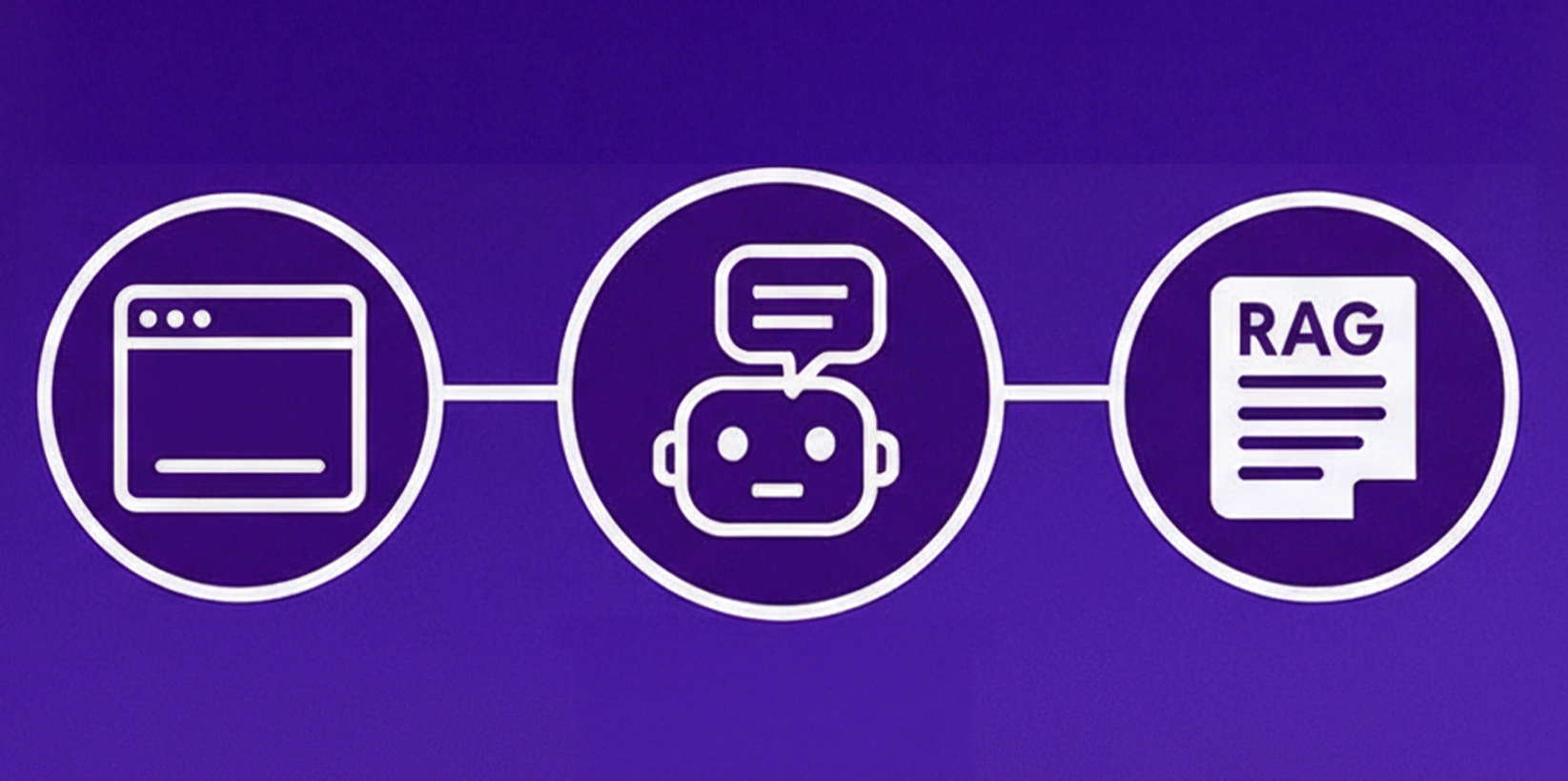
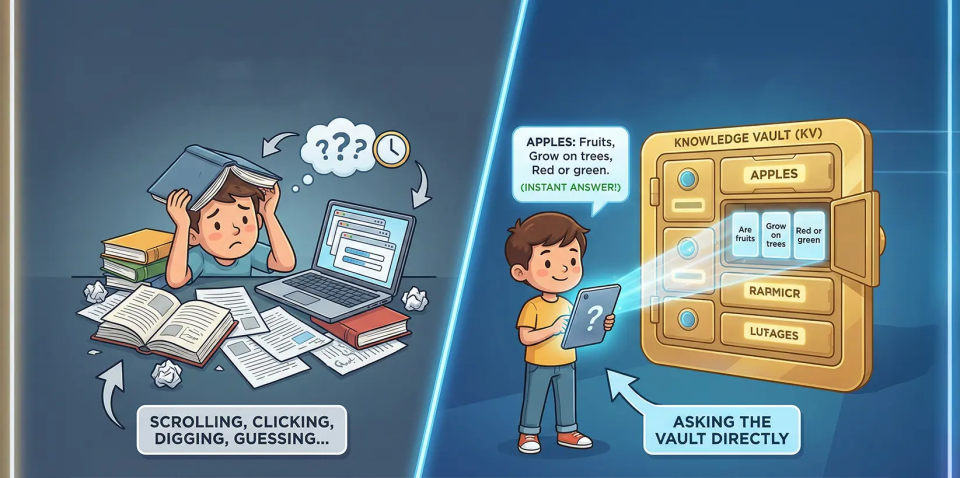
Introduction Learning has always been built around content. Textbooks, PDFs, videos, and notes form the foundation of how we study and understand information. But as the volume of content has increased, the way we learn from it hasn’t evolved at the same pace. Students and professionals still spend hours reading, searching, and trying to connect ideas manually. This gap is pushing a major shift. Learning platforms are no longer just content libraries, they are becoming AI-native systems designed to help users understand faster, not just access more. 1. The Limitations of Traditional Learning Platforms Most learning platforms today focus on providing content. They organize materials, offer courses, and make information accessible. But access is no longer the problem.Understanding is. Users still need to: Go through large amounts of material Search for specific answers Re-read sections to grasp concepts This makes learning time-consuming and often overwhelming. The platform delivers information, but the effort of understanding still lies entirely with the user. 2. Why AI Is Changing the Learning Experience AI introduces a new layer to learning interaction. Instead of passively consuming content, users can actively engage with it. They can ask questions, get explanations, and explore topics in a more direct way. This transforms learning from a one-way process into a two-way interaction. The focus shifts from how much you read to how well you understand. 3. What Makes a Platform “AI-Native” An AI-native learning platform is not just a platform with AI features added on top. It is built around AI at its core. This means: Content is interactive, not static Answers are generated based on context Users can navigate information through questions, not just scrolling AI becomes the interface through which users learn, explore, and understand. 4. The Problem with Add-On AI Tools Many platforms try to integrate AI as an additional feature. But this often leads to fragmented workflows. Users still need to switch between tools, copy content, and provide context manually. The experience remains disconnected. Instead of simplifying learning, it adds more steps around it. This is where the need for AI-native systems becomes clear. 5. How Docsity Solves This Problem Docsity is built as an AI-native system, not just a content platform. Instead of simply providing documents and materials, it transforms them into an interactive knowledge system. Users can upload PDFs, notes, images, or links and directly interact with them. They don’t need to search through pages or switch tools. They can ask questions and get structured answers instantly, based on their own content. Docsity also introduces control over how AI responds. With modes like Strict and Context, users can decide whether answers should come strictly from their documents or include broader explanations. This ensures both accuracy and flexibility. 6. From Content Access to Real Understanding The biggest change AI-native platforms bring is shifting the focus from access to understanding. A student no longer needs to read everything to find one answer. A professional doesn’t need to scan entire reports to extract insights. Instead, they interact directly with the information and get what they need, when they need it. This reduces effort, saves time, and improves learning outcomes. Conclusion & Webmap Analysis Learning platforms are evolving because user needs have changed. Access to information is no longer enough; users need clarity, speed, and interaction. AI-native systems are designed to meet this need by turning static content into dynamic, interactive knowledge. Webmap Analysis: The rise of AI-native platforms reflects a shift toward structured, context-aware learning systems. Platforms like Webmap, through Docsity, enable this transformation by integrating AI directly into the learning process. This allows users to move from passive reading to active understanding, making learning faster, more efficient, and more aligned with real-world needs. In the end, the future of learning is not about more content.It’s about better understanding powered by AI.

7 months ago

The Difference Between Link Summarizers and Real Link Intelligence

Introduction Sharing links has become the default way we consume information. Articles, blogs, reports, and resources are all just a click away. And with AI, we’ve made it even faster to paste a link, get a summary, and move on. But here’s the problem.A summary is not the same as understanding. As information becomes more complex, simply shortening content is no longer enough. What users actually need is not less information, but better interaction with it. This is where the difference between basic link summarizers and real link intelligence becomes clear. 1. What Link Summarizers Actually Do Link summarizers are designed for speed. You paste a URL, and they generate a shorter version of the content. This is useful when you want a quick overview. But it comes with limitations. The output is often generic, missing nuance, and disconnected from what you specifically want to know. You still end up asking questions like:“Where is this mentioned?”“What does this actually mean?”“Is this relevant to what I need?” The summary reduces content, but it doesn’t solve understanding. 2. The Gap Between Summarizing and Understanding Summarizing is passive. It gives you information in a condensed format, but it doesn’t adapt to your intent. Understanding, on the other hand, is active. It requires interaction, clarification, and context. For example, a summarized article might highlight key points, but it won’t answer your specific questions or connect ideas in a way that matters to you. This gap is where most AI tools fall short. They help you read faster, but not think better. 3. What Real Link Intelligence Looks Like Real link intelligence goes beyond summarizing. It turns links into something you can interact with. Instead of just reading a summary, you can ask questions, explore sections, and extract insights based on your needs. The link becomes a dynamic source of knowledge, not a static block of text. This changes the entire experience. You don’t just consume information, you engage with it. 4. How Docsity Transforms Links into Intelligence This is exactly where Docsity makes a difference. With Docsity, a link is not just summarized it becomes part of an interactive knowledge system. You can paste a URL and instantly start asking questions, diving deeper into specific points, and getting structured answers based on the actual content. Instead of switching between tabs or re-reading sections, everything happens in one place. The system understands the context of the link and responds accordingly.This is not about shortening content.It’s about unlocking its full value. 5. From Quick Glance to Deep Insight The shift from summarizers to intelligence is a shift from surface-level reading to meaningful understanding. A student researching a topic can go beyond summaries and actually explore concepts. A professional analyzing a webpage can extract insights without missing important details. The result is not just faster access to information, but better use of it. Conclusion & Webmap Analysis Summarizers made information easier to skim. But the future is not about skimming, it's about interacting. Webmap Analysis: The evolution from link summarization to link intelligence reflects a broader shift toward interactive AI systems. Platforms like Webmap, through Docsity, enable this by transforming links into structured, queryable knowledge. This allows users to move beyond passive consumption and engage with information in a more meaningful and efficient way.In the end, the difference is simple.Summarizers shorten content.Intelligence helps you understand it.

7 months ago

Why AI That Understands Context Will Replace Generic AI Answers

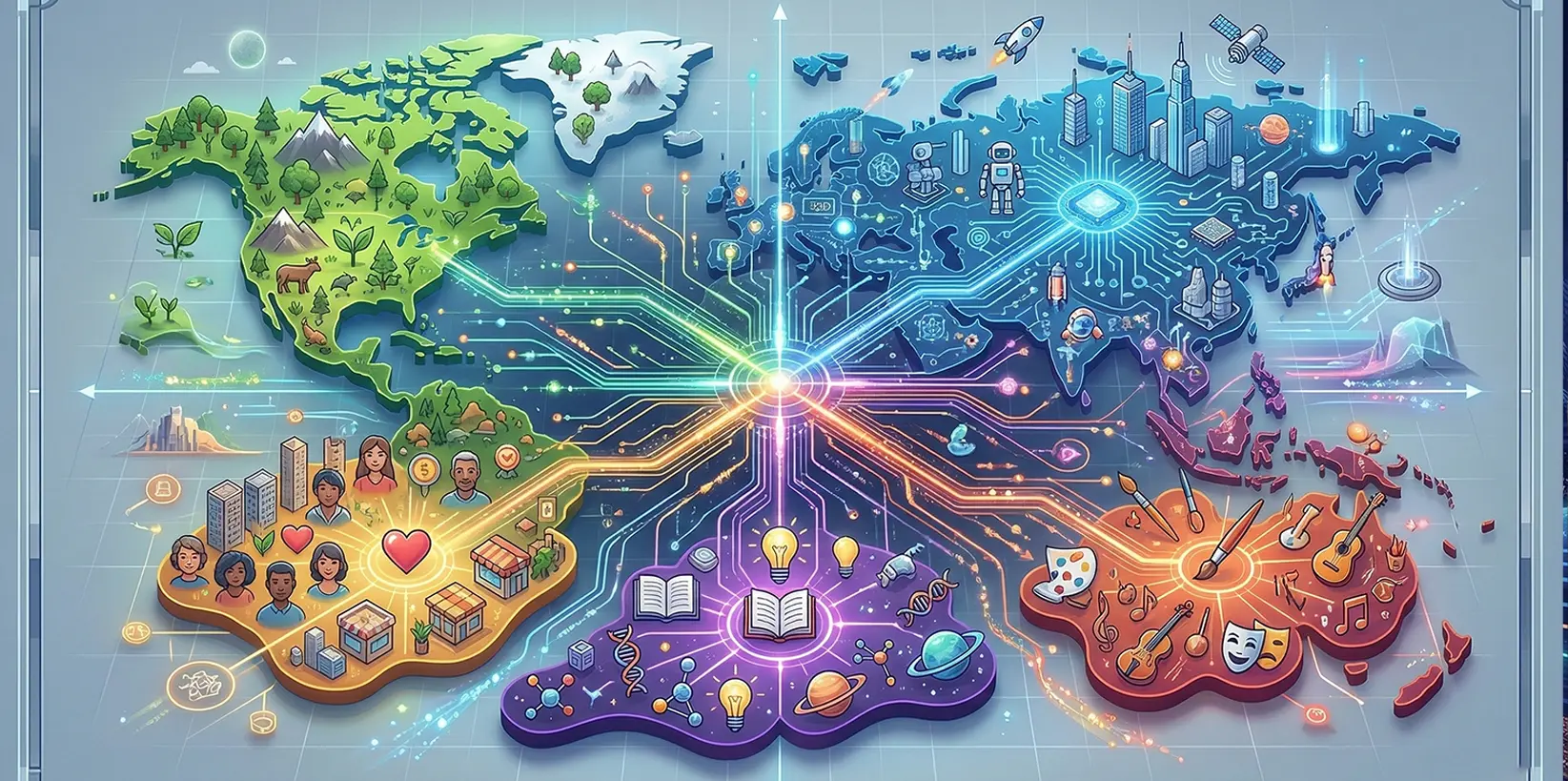
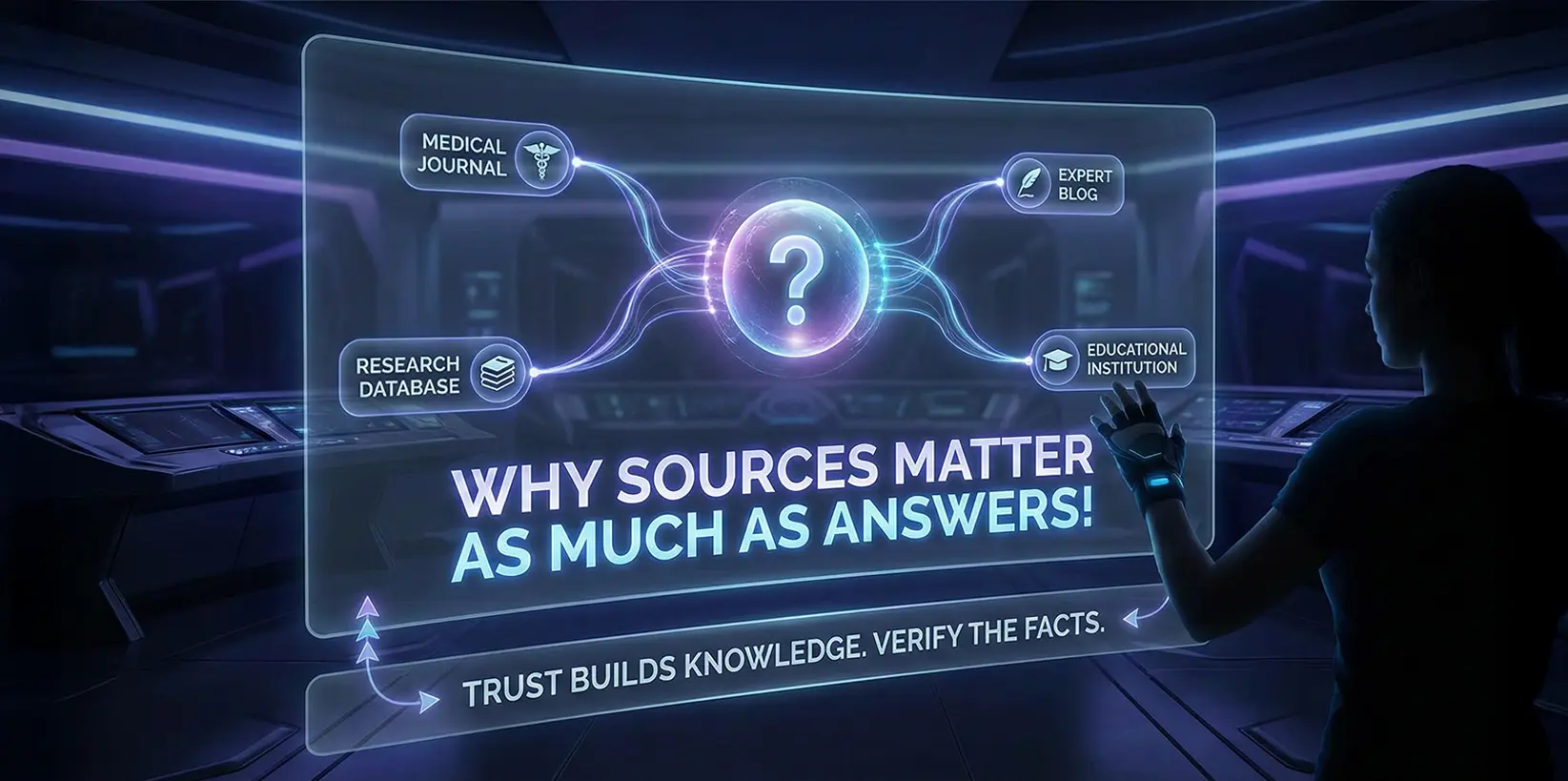
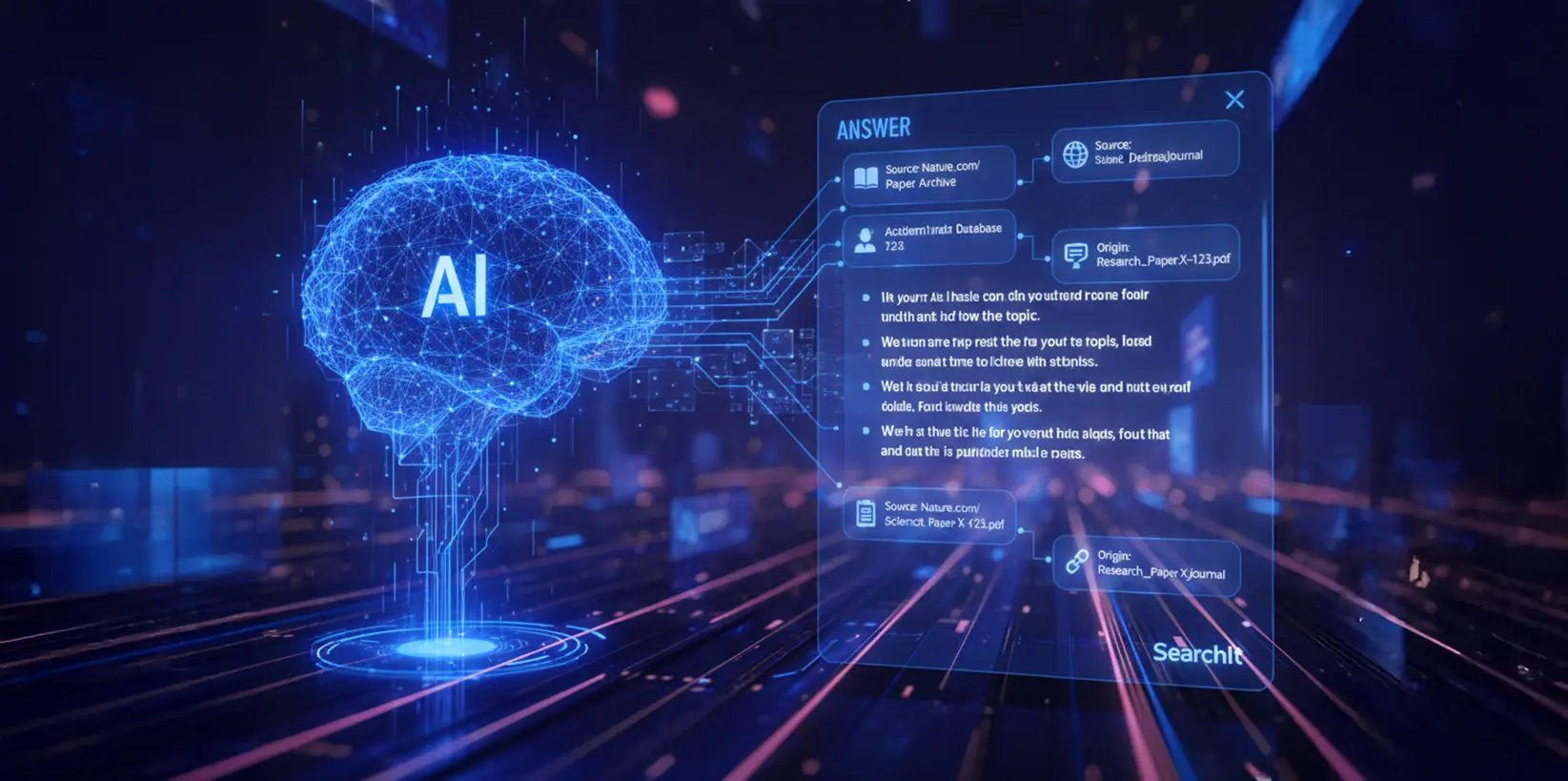
Introduction AI can answer almost anything today. You type a question, and within seconds, you get a response. But there’s a difference between getting an answer and getting the right answer. As AI becomes more widely used in learning and work, users are starting to notice a gap. Generic answers may sound correct, but they often miss the context that actually matters. And without context, even the fastest answer can feel incomplete. This is where AI is evolving from general responses to context-aware understanding. 1. The Problem with Generic AI Answers Most AI tools are trained on broad datasets. They generate answers based on general knowledge, not your specific situation. This creates a common issue. The answer may be technically correct, but not relevant to what you’re actually working on. For example, a student asking about a concept may receive a general explanation that doesn’t match their notes. A professional analyzing a document may get an answer that lacks alignment with the actual data. In both cases, the user has to adjust, verify, or reframe the answer. 2. Why Context Changes Everything Context is what makes information meaningful. It defines where the answer comes from, what it relates to, and how it should be interpreted. When AI understands context, it stops guessing and starts aligning. Instead of generating broad responses, it focuses on the exact data, document, or scenario you’re working with. This makes answers more precise, relevant, and usable. Context turns AI from a general assistant into a reliable system. 3. The Hidden Cost of Generic Responses Generic AI may feel fast, but it often creates extra work. Users end up rechecking information, comparing sources, or asking follow-up questions to refine the answer. This breaks focus and slows down the workflow. What looks like efficiency on the surface becomes inefficiency in practice. True productivity comes from answers that can be used immediately, without doubt or correction. 4. The Shift to Context-Controlled AI The next generation of AI is built around context control. Instead of relying only on general knowledge, it works directly with structured inputs like documents, notes, and data. This allows users to define how AI responds. For example, systems like Docsity enable users to interact with their own content and control how answers are generated. Whether it’s strict document-based responses or broader explanations, the user stays in control of the context. This creates a more reliable and flexible AI experience. 5. From Answers to Understanding When AI understands context, something important changes. Users don’t just get answers they gain understanding. A student can learn directly from their own study material. A professional can extract insights from their reports without second-guessing the output. The interaction becomes more meaningful, and the results become more actionable. Conclusion & Webmap Analysis The future of AI is not about answering more questions, but about answering them in the right context. Generic AI answers may be fast, but context-aware AI is what makes them truly useful. Webmap Analysis: The shift toward context-aware AI reflects a deeper need for accuracy and relevance in modern workflows. Platforms like Webmap, through Docsity, address this by combining structured knowledge with controlled AI responses. This ensures that answers are not only fast, but also grounded, reliable, and aligned with user intent. In the end, the difference is simple.Generic AI gives you answers.Context-aware AI gives you understanding.

7 months ago

From Copilot to Decision-Maker: How AI Is Evolving in Workspaces

Introduction Not long ago, AI in the workplace was seen as a helper, a tool that could assist with small tasks, suggest ideas, or speed up routine work. It acted like a copilot, supporting users but always staying in the background. Today, that role is changing. AI is no longer just assisting work, it is starting to shape decisions. From analyzing documents to extracting insights, AI is becoming a more active part of how work gets done. This shift is redefining what productivity looks like. 1. The Era of AI as a Copilot In its early stage, AI was mainly used to support tasks. It helped write emails, summarize content, generate ideas, and automate repetitive work. This made workflows faster, but the responsibility of understanding and decision-making still remained with the user. AI could suggest, but it could not fully guide. For example, a professional might use AI to summarize a report, but still had to read through it to verify key points and make decisions. The process was improved, but not transformed. 2. The Limitations of Assistance While AI copilots increased speed, they often lacked depth. Most responses were based on general knowledge rather than specific context. This meant users still had to: Verify information Cross-check data Connect insights manually As a result, AI remained a tool for support, not a system for decision-making. 3. The Shift Toward Decision Intelligence The next phase of AI is about moving beyond assistance into decision support. AI is now being designed to work directly with structured data, documents, and real-time inputs. Instead of just generating responses, it helps users extract meaning, identify patterns, and understand what actions to take.This shift turns AI into more than a copilot it becomes a system that actively contributes to decision-making. 4. Real-World Impact in Workspaces In modern work environments, decisions are often based on large amounts of information. Reports, documents, and data need to be analyzed quickly and accurately. With advanced AI systems, this process becomes more efficient. Instead of manually reviewing content, users can interact with their data and get clear insights instantly. For example, a manager reviewing a business report can quickly understand key trends by asking targeted questions. A team working on research can connect ideas across multiple documents without going through each one manually.This reduces time spent on analysis and increases focus on action. 5. From Support to Confidence As AI becomes more reliable and context-aware, it builds user confidence. Instead of second-guessing outputs, users can trust AI to provide accurate, relevant insights. This allows them to make faster decisions without sacrificing quality. The role of AI shifts from helping users complete tasks to helping them think and decide more effectively. 6. The Role of Structured AI Systems For AI to support decision-making, it needs structure and context. Generic responses are not enough. This is where systems like Docsity play a key role. By turning documents into structured, interactive knowledge bases, Docsity ensures that answers are grounded in real data. Users can ask questions directly from their content and get reliable insights without leaving their workflow. This creates a more connected and intelligent work environment. Conclusion & Webmap Analysis The evolution of AI in workspaces is moving from assistance to intelligence. AI is no longer just a tool that helps you work faster. It is becoming a system that helps you understand better and decide with confidence. Webmap Analysis: The transition from AI copilots to decision-making systems reflects a broader shift toward integrated, context-aware intelligence. Platforms like Webmap, through Docsity, enable this transformation by combining structured knowledge with real-time interaction. This allows users to move from information to decisions more efficiently, making AI an essential part of modern workflows.In the end, the future of AI in work is not just about doing tasks faster.It’s about making better decisions, with clarity and confidence.

next
prev