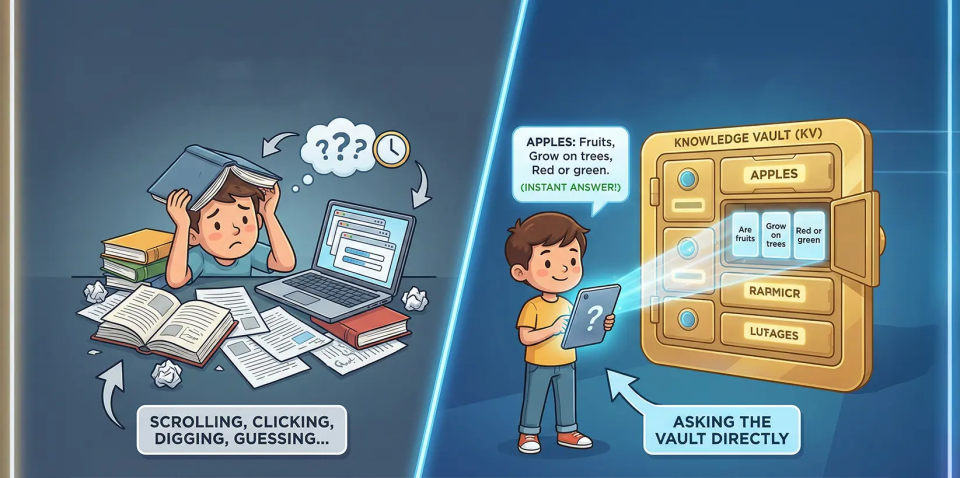
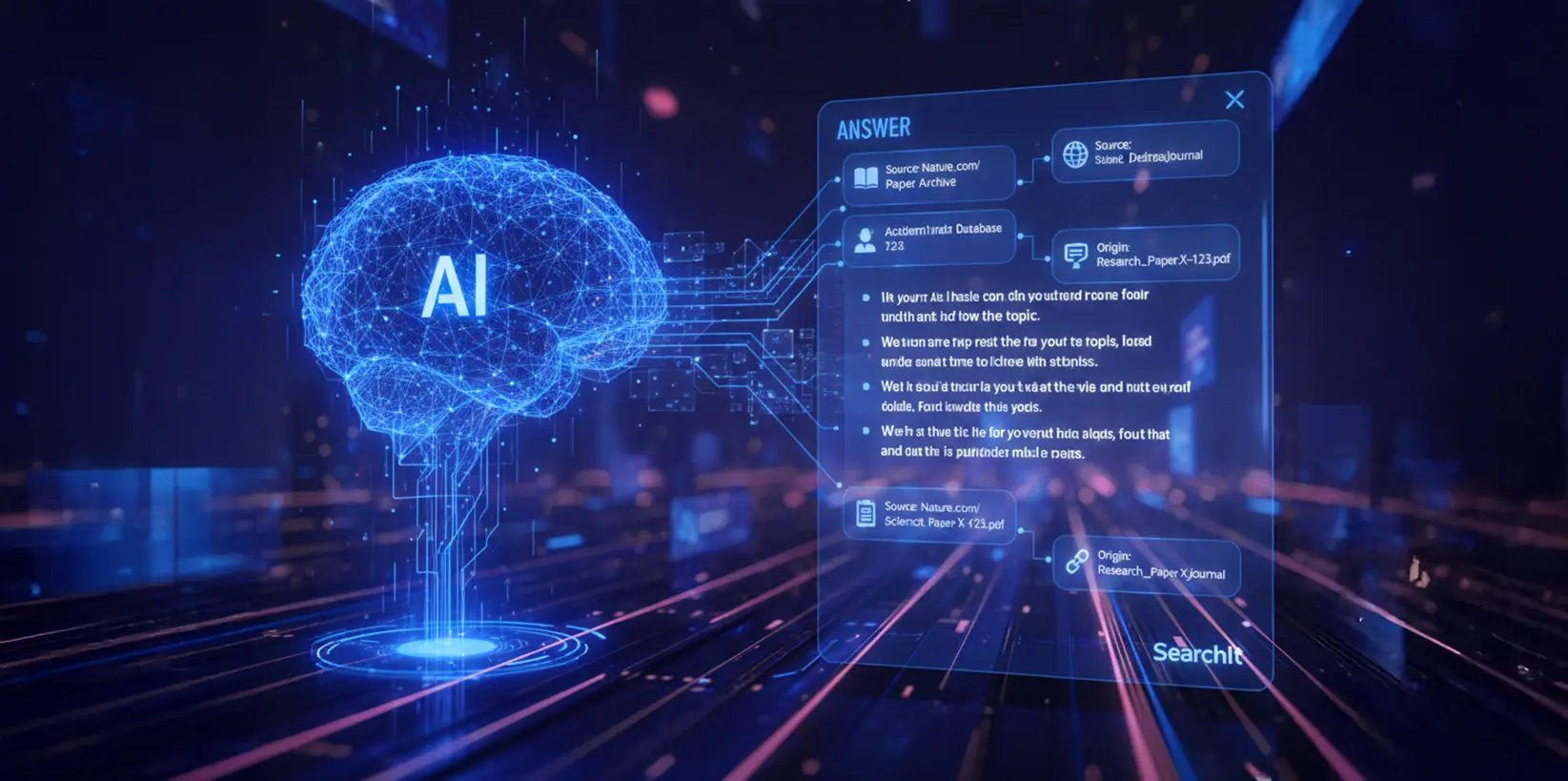
AI Agents Using Markdown as a Knowledge Base

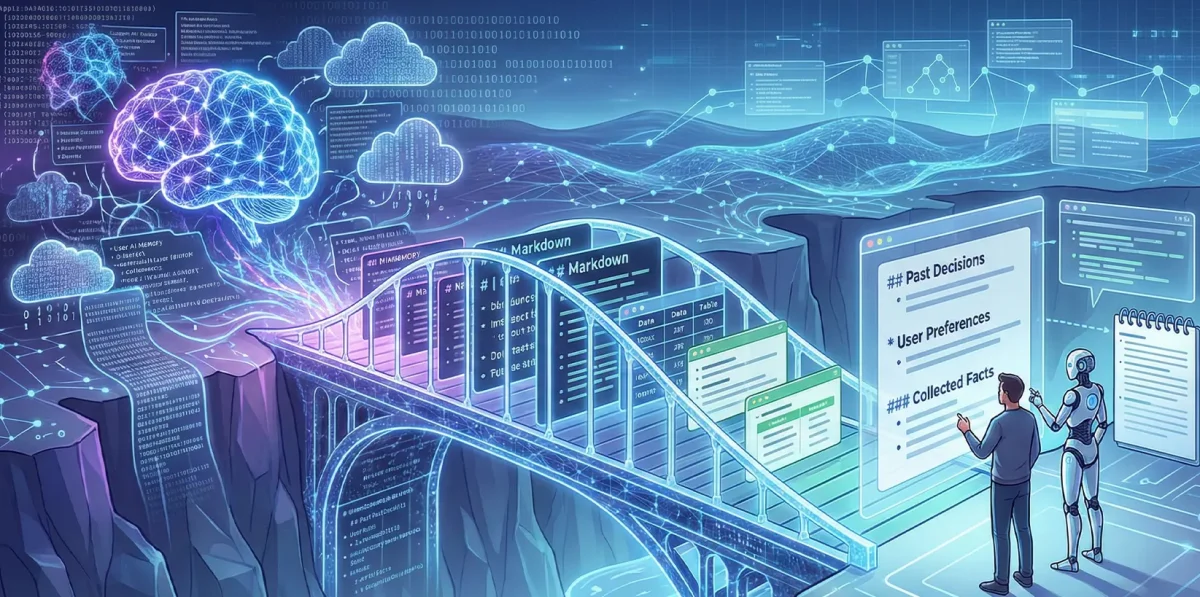
Why Markdown Turns AI Memory Into Something Humans Can Understand
When people think about AI memory, they imagine complex systems, neural layers, vectors, embeddings, hidden states.
But one very important aspect is often overlooked:
How will the AI give back what it remembers?
Memory isn’t just about storing information.
It’s about presenting it in a way that humans can read, verify, and rely on.
This is where Markdown quietly becomes a superpower.
Not for beauty.
Not for styling.
But for making AI memory human-friendly.
Why AI Cannot Use Raw Memory Alone
AI agents process massive amounts of text. But raw logs have a few problems:
- Important details get buried
- Past decisions merge with explanations
- Notes are hard to skim and even harder to reuse
Users often can’t tell which parts are memory and which are interpretations.
Without structure, memory becomes noise.
And noise is the opposite of intelligence.
Markdown is not decoration, it is a reliable memory format.
Why Markdown Works for Memory
Markdown gives shape to otherwise unstructured text.
It turns memory into something organized, logical, and usable just like good notes in a real notebook.
Here’s why AI agents rely on it:
1. Separation of Ideas
Markdown allows memory to be chunked into:
- Collected facts
- Observations
- User preferences
- Decisions made earlier
- Future to-dos
No walls of text. No confusion between what happened and why it mattered.
2. Consistent Regions the AI Can Return To
Headers act like memory anchors.
If the AI needs to recall:
- Your writing style
- A past conversation
- Tasks you asked it to continue
…it knows exactly where to look.
Result: consistent retrieval and organized memory.
3. Bulleted Lists Reduce Ambiguity
AI struggles when details hide inside paragraphs.
Lists provide:
- One idea per line
- Clear meaning per bullet
It’s structured thinking for AI.
4. Markdown Makes Memory Easy to Reuse
When the AI summarizes, rewrites, expands, or continues content:
- Memory is modular, not tangled
- Key points are easy to find
- Misinterpretation is minimized
- Conversations remain coherent
- Narrative style stays consistent
5. Traceability Becomes Built-In
AI memory is only valuable if you can validate it.
Markdown allows:
- Clear references
- Sub-points
- Notes versus insights
- Examples separate from decisions
You can see exactly what the AI remembered and whether it remembered correctly.
Why Markdown-Based Memory Helps Humans
Markdown isn’t just about technical correctness.
It changes how you interact with the AI:
- Skim efficiently: Headers, bullets, and emphasis guide your eye
- Reuse content instantly: Copy sections into reports, emails, or documentation
- Build trust: Trace information easily, no hidden text
- Enable long-term workflows: Memory becomes a notebook, not a pile of messages
A Simple Way to Visualize It
Think of AI as someone taking notes for you.
Markdown is the difference between:
- A messy, jumbled sheet of paper
- A clean notebook with headings, lists, and sections
One you ignore. One you rely on.
Overview
AI agents need meaningful memory, not just raw text.
Markdown provides:
- Structure
- Recall
- Clarity
- Traceability
- Human-friendly formatting
It transforms raw memory into a usable knowledge library.
Conclusion: Markdown Is the Bridge Between AI Memory and Human Understanding
AI memory is powerful.
Markdown harnesses that power to make it practical:
- Clear
- Understandable
- Consistent
- Inspectable
- Reusable
It’s not “just formatting.”
Markdown turns AI from a system that merely stores information… Into an AI that remembers, organizes, and communicates like a true partner.