From Copilot to Decision-Maker: How AI Is Evolving in Workspaces

Introduction
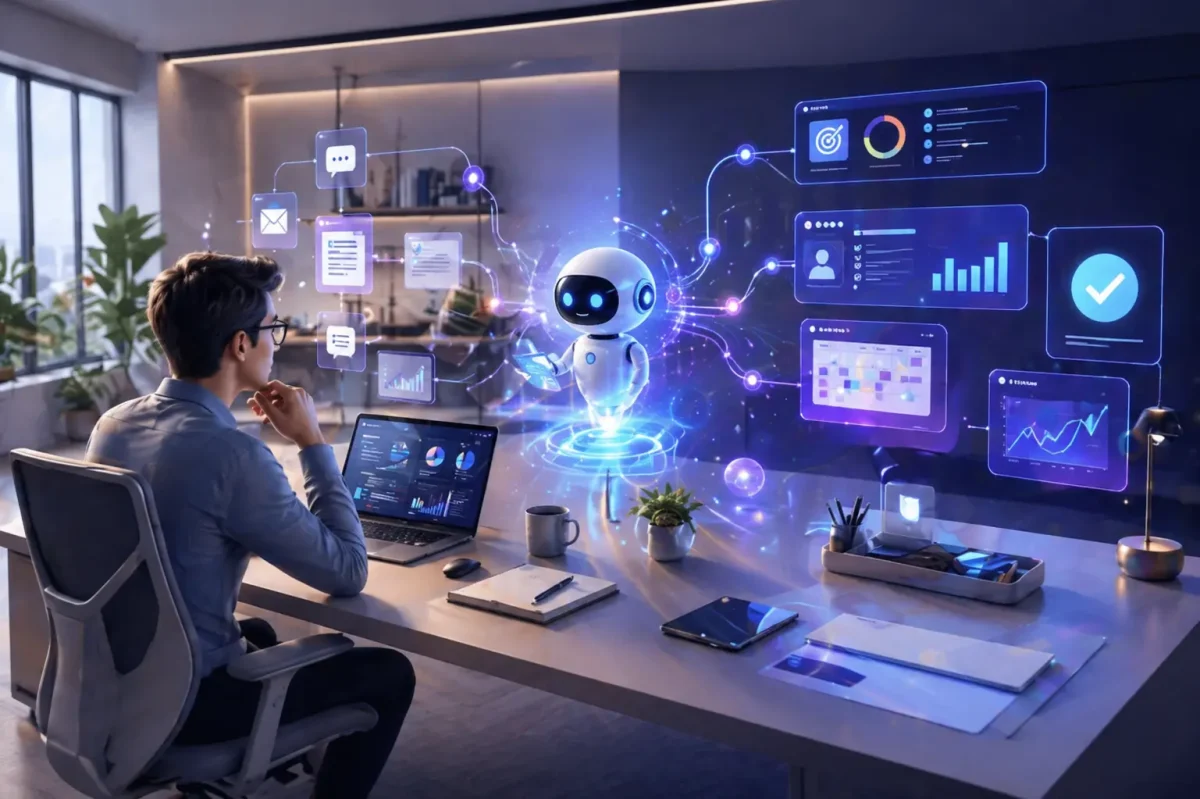
Not long ago, AI in the workplace was seen as a helper, a tool that could assist with small tasks, suggest ideas, or speed up routine work. It acted like a copilot, supporting users but always staying in the background. Today, that role is changing. AI is no longer just assisting work, it is starting to shape decisions. From analyzing documents to extracting insights, AI is becoming a more active part of how work gets done. This shift is redefining what productivity looks like.
1. The Era of AI as a Copilot
In its early stage, AI was mainly used to support tasks. It helped write emails, summarize content, generate ideas, and automate repetitive work. This made workflows faster, but the responsibility of understanding and decision-making still remained with the user. AI could suggest, but it could not fully guide. For example, a professional might use AI to summarize a report, but still had to read through it to verify key points and make decisions. The process was improved, but not transformed.
2. The Limitations of Assistance
While AI copilots increased speed, they often lacked depth. Most responses were based on general knowledge rather than specific context.
This meant users still had to:
- Verify information
- Cross-check data
- Connect insights manually
As a result, AI remained a tool for support, not a system for decision-making.
3. The Shift Toward Decision Intelligence
The next phase of AI is about moving beyond assistance into decision support. AI is now being designed to work directly with structured data, documents, and real-time inputs. Instead of just generating responses, it helps users extract meaning, identify patterns, and understand what actions to take.This shift turns AI into more than a copilot it becomes a system that actively contributes to decision-making.
4. Real-World Impact in Workspaces
In modern work environments, decisions are often based on large amounts of information. Reports, documents, and data need to be analyzed quickly and accurately. With advanced AI systems, this process becomes more efficient. Instead of manually reviewing content, users can interact with their data and get clear insights instantly. For example, a manager reviewing a business report can quickly understand key trends by asking targeted questions. A team working on research can connect ideas across multiple documents without going through each one manually.This reduces time spent on analysis and increases focus on action.
5. From Support to Confidence
As AI becomes more reliable and context-aware, it builds user confidence. Instead of second-guessing outputs, users can trust AI to provide accurate, relevant insights. This allows them to make faster decisions without sacrificing quality. The role of AI shifts from helping users complete tasks to helping them think and decide more effectively.
6. The Role of Structured AI Systems
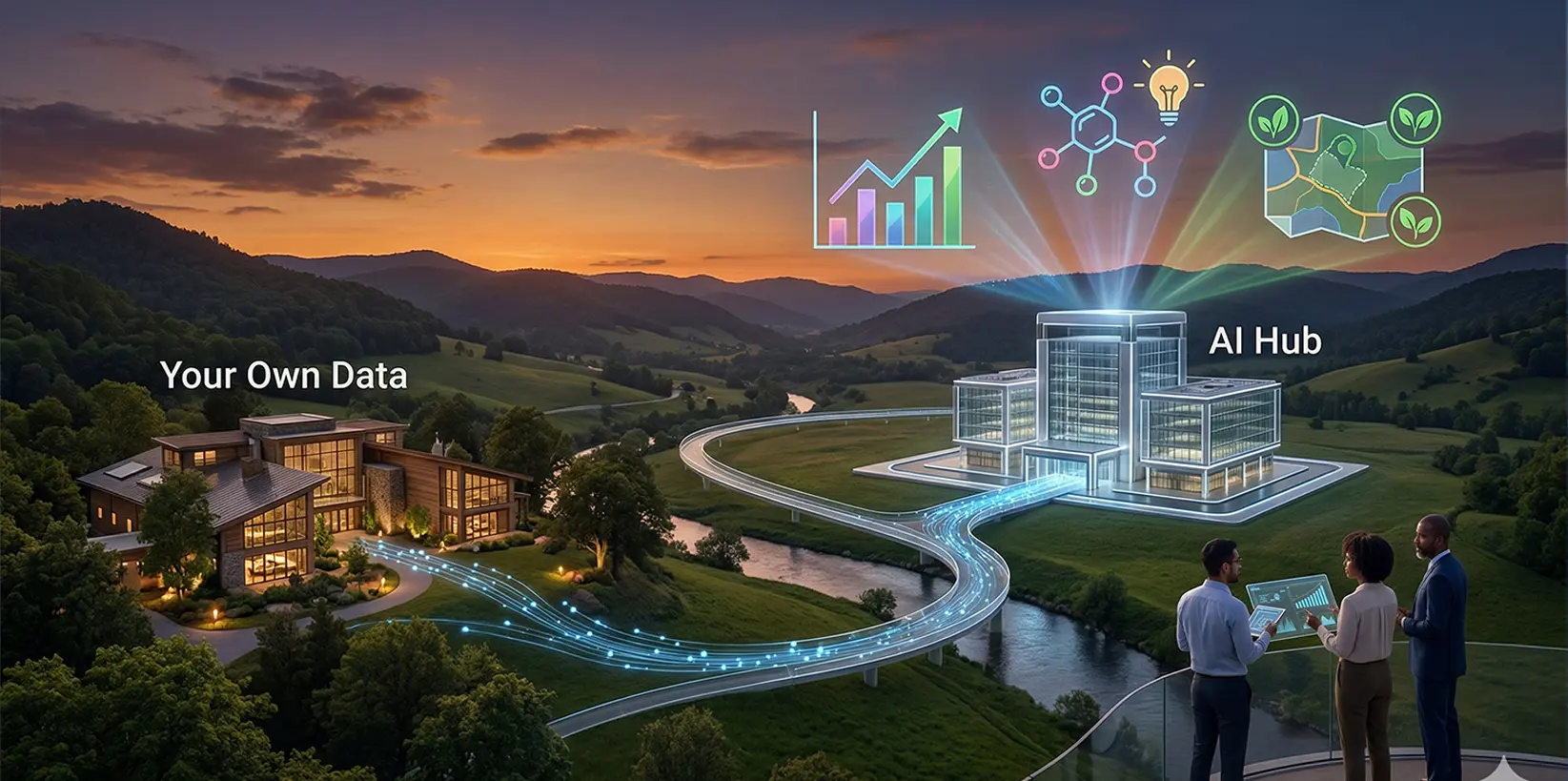
For AI to support decision-making, it needs structure and context. Generic responses are not enough. This is where systems like Docsity play a key role. By turning documents into structured, interactive knowledge bases, Docsity ensures that answers are grounded in real data. Users can ask questions directly from their content and get reliable insights without leaving their workflow. This creates a more connected and intelligent work environment.
Conclusion & Webmap Analysis
The evolution of AI in workspaces is moving from assistance to intelligence. AI is no longer just a tool that helps you work faster. It is becoming a system that helps you understand better and decide with confidence.
Webmap Analysis: The transition from AI copilots to decision-making systems reflects a broader shift toward integrated, context-aware intelligence. Platforms like Webmap, through Docsity, enable this transformation by combining structured knowledge with real-time interaction. This allows users to move from information to decisions more efficiently, making AI an essential part of modern workflows.
In the end, the future of AI in work is not just about doing tasks faster.
It’s about making better decisions, with clarity and confidence.