Why URLs Should Be Searchable, Not Just Clickable

Introduction
The internet was built around a simple action: click a link and read. For years, this has been the default way we interact with information. You open a URL, scroll through the page, skim headings, and try to find what you’re looking for. But as the volume of information has grown, this method has started to feel inefficient. The problem is not access to content. It is the effort required to understand it.
So the real question is no longer how to open links…
It is how to use them better.
1. The Limitation of Click-Based Interaction
URLs today are designed to be clickable, not searchable. They take you to a destination, but once you’re there, the responsibility shifts to you.
You have to:
- Scan through the page
- Look for relevant sections
- Interpret the content
- Connect ideas manually
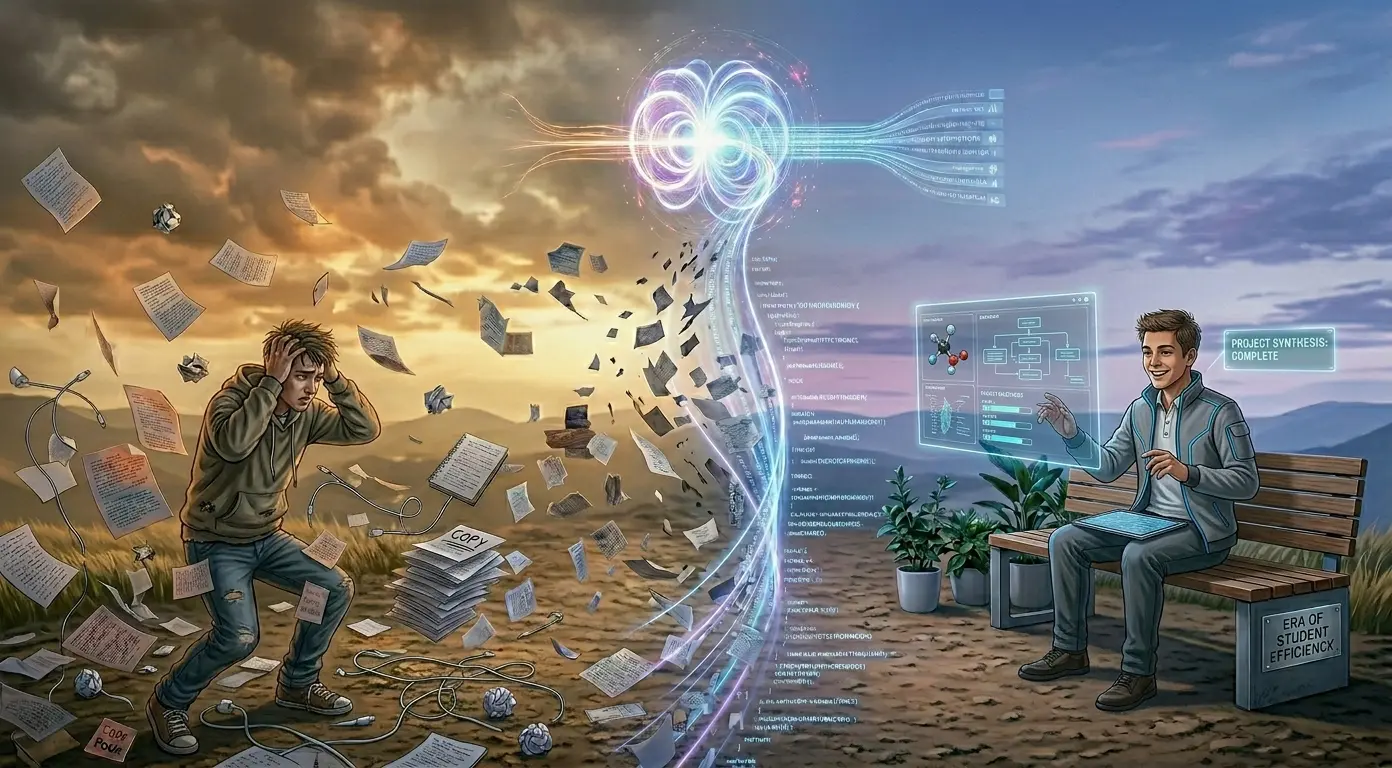
This process takes time and often leads to missed insights. Even when the information is present, finding and understanding it becomes the challenge.
Clicking gives access.
It does not guarantee clarity.
2. The Problem with Modern Content Consumption
Today’s web pages are longer, denser, and more complex than ever. Articles, reports, and resources are packed with information, but not structured for quick understanding.
As a result:
- Users open multiple tabs
- Switch between pages
- Copy and paste content into AI tools
- Restart context again and again
This creates friction. Instead of focusing on understanding, users spend time navigating.
The issue is not the content itself.
It is how we interact with it.
3. From Clicking to Searching
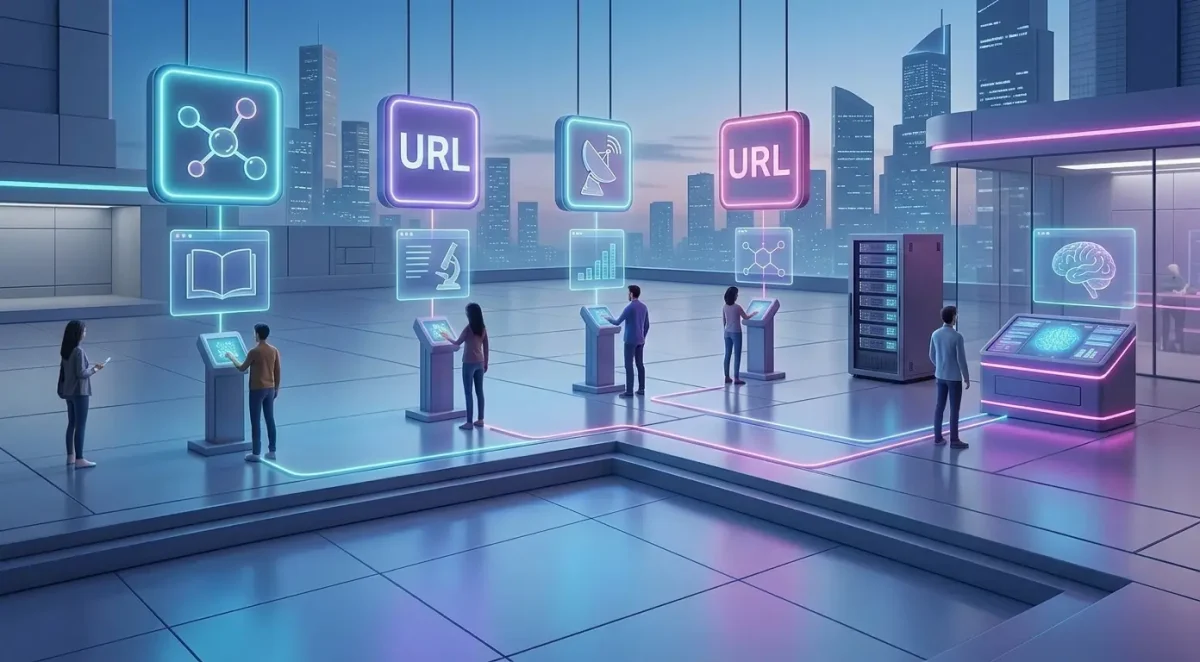
What if a URL didn’t just take you to a page, but allowed you to interact with it?
Instead of scrolling and guessing where information might be, you could simply ask:
- What is this page about?
- What are the key insights?
- Where is the relevant section?
This is the shift from clickable URLs to searchable URLs.
A searchable URL is not just a destination.
It becomes an interface for understanding.
4. Turning Links into Knowledge Systems
When URLs become searchable, they evolve into something more powerful a knowledge system. Instead of treating a webpage as static content, it becomes interactive. You can:
- Extract specific insights
- Ask contextual questions
- Explore ideas without losing focus
This removes the need for manual searching and reduces the time required to understand information. The page stops being something you read.
It becomes something you work with.
5. The Role of AI in This Shift
This transformation is made possible by AI. But not just any AI it requires systems that understand context and structure information properly.
When AI processes a URL, it can:
- Break down the content
- Identify key ideas
- Organize information into usable formats
More importantly, it allows users to interact with that content directly.
Instead of copying and pasting into separate tools, the interaction happens in the same place. This keeps context intact and improves clarity.
6. Reducing Friction in Everyday Workflows
One of the biggest benefits of searchable URLs is the reduction of frictionThe traditional workflow looks like this:
Open link → Read → Copy → Paste into AI → Ask → Go back
With searchable URLs, it becomes:
Open link → Ask → Understand
This small change has a big impact. It saves time, reduces effort, and keeps users focused.
7. Why This Matters for the Future
As information continues to grow, the way we interact with it must evolve. Clicking links will always be important, but it is no longer enough.
Users need:
- Faster understanding
- Less navigation
- More control over information
Searchable URLs provide this by turning passive content into active knowledge.
This is especially important for:
- Students trying to learn faster
- Researchers analyzing complex material
- Professionals making decisions based on web data
Conclusion & Webmap Analysis
The internet does not lack information. It lacks efficient ways to interact with it. Clickable URLs solve access, but not understanding. Searchable URLs represent the next step. They transform links from static destinations into interactive systems that support exploration and clarity.
Webmap Analysis:
As digital workflows evolve, the shift from passive browsing to interactive understanding is becoming essential. Systems that allow users to search within and interact with URLs are reducing friction and improving productivity. Webmap, through features like Docsity and its extension capabilities, demonstrates how links can be transformed into structured, queryable knowledge systems.In the end, the goal is simple:
URLs should not just take you somewhere.
They should help you understand what’s there.