The End of Solo Studying: Why Learning Is Becoming AI-Assisted Collaboration

Introduction
For years, studying has been seen as a solo activity.
A student sits with books, notes, and assignments trying to understand everything independently. Whether it’s preparing for exams or working on research, the traditional idea of studying has always been about individual effort.
But this is changing.
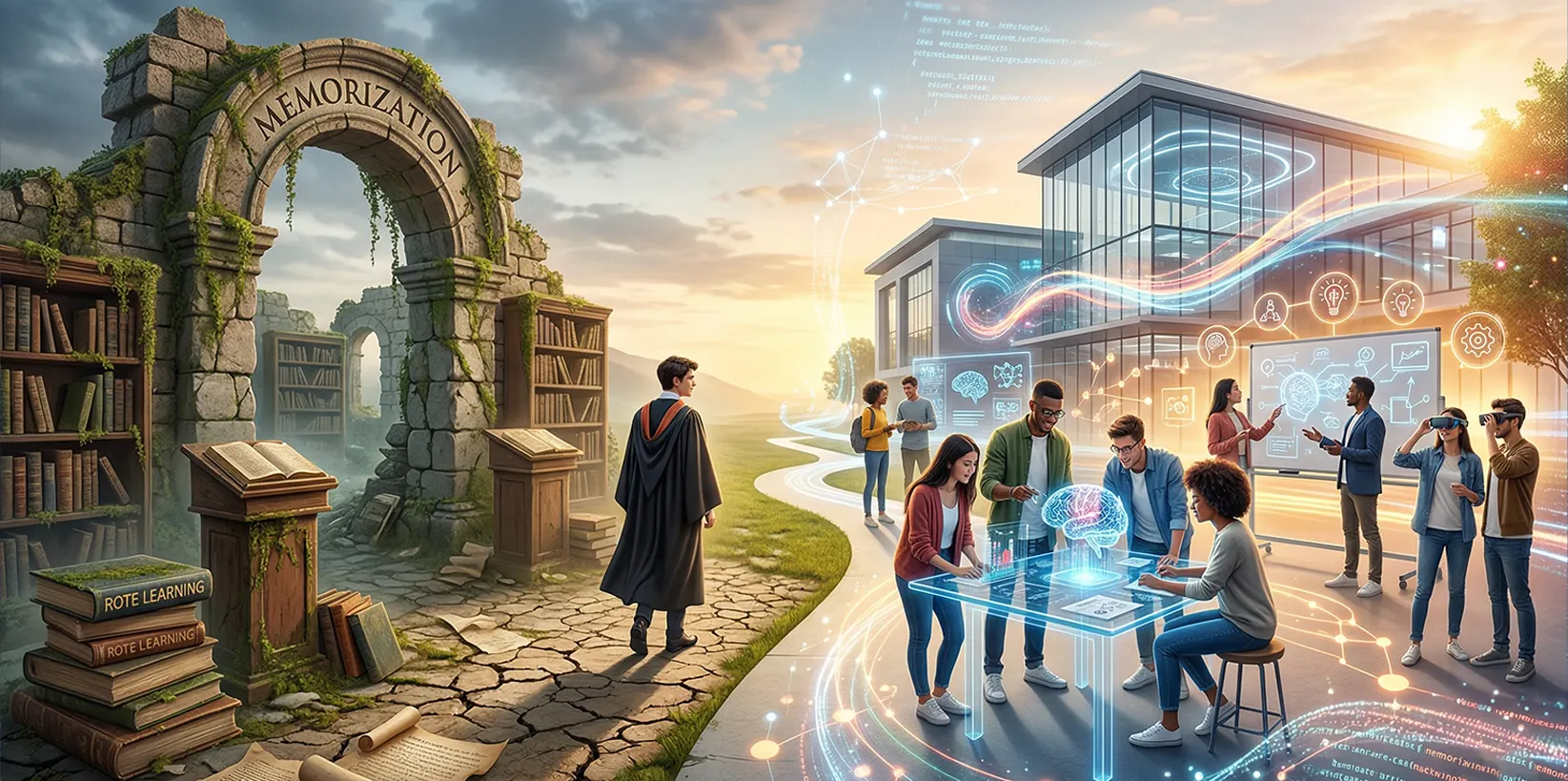
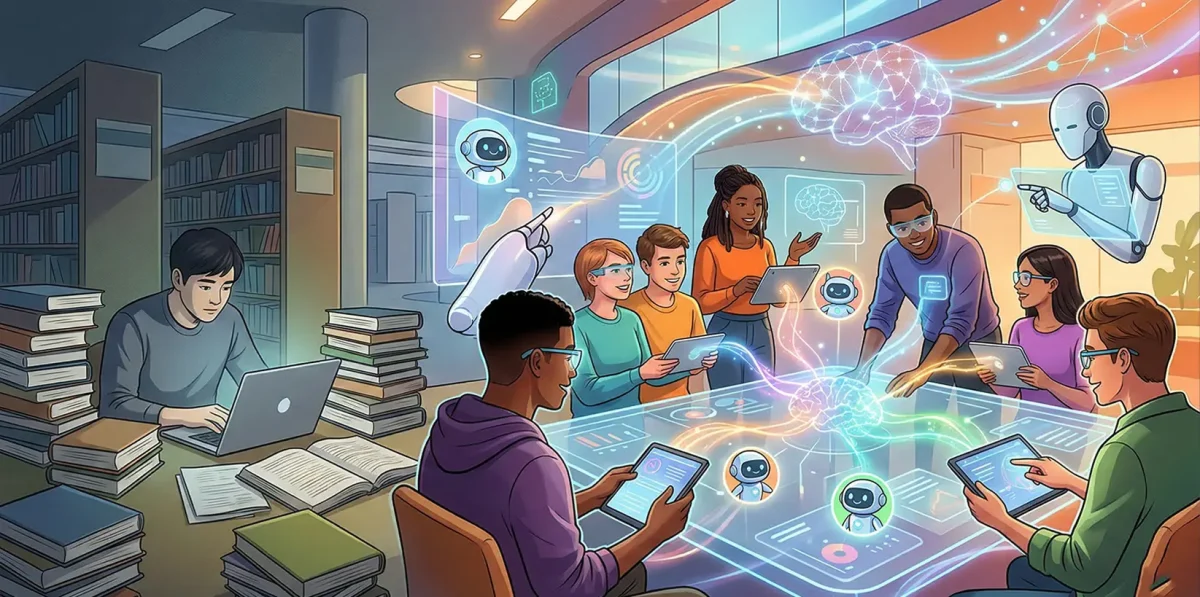
Artificial intelligence is transforming studying from a solo task into a collaborative experience where students are no longer learning alone, but alongside intelligent systems.
From the perspective of WebMap Network observations, this shift is not just about convenience. It represents a deeper transformation in how knowledge is explored, structured, and understood.
The Problem with Solo Studying
Learning in Isolation
Studying alone has its advantages:
- fewer distractions
- self-paced learning
- independent thinking
But it also comes with limitations.
Students often face:
- confusion without immediate help
- difficulty understanding complex topics
- lack of feedback on their thinking
Everyday Analogy
Imagine trying to solve a puzzle alone without seeing the full picture.
You might eventually solve it, but it takes more time, and mistakes are more likely.
Now imagine having someone next to you who:
- gives hints
- points out mistakes
- helps you connect pieces
The process becomes faster and more effective.
The Shift: From Solo Learning to Assisted Learning
AI as a Study Companion
AI is changing how students approach learning.
Instead of struggling alone, students can now:
- ask questions anytime
- get instant explanations
- explore topics in different ways
Tools like ChatGPT, Claude, and Gemini are acting as on-demand study partners.
What Makes This Different?
Unlike traditional study resources, AI:
- responds instantly
- adapts to the student’s level
- allows continuous interaction
This turns studying into a two-way process, not just passive reading.
What AI-Assisted Collaboration Looks Like
Learning Becomes Interactive
AI-assisted collaboration means students are no longer just consuming information.
They are:
- asking follow-up questions
- exploring different explanations
- refining their understanding
Analogy
It’s like having a study group available 24/7, where you can discuss ideas, clarify doubts, and explore topics anytime.
But instead of multiple students, you have intelligent systems guiding you.
Multi-Model Collaboration: Learning From Many Minds
One Question, Multiple Perspectives
Different AI models bring different strengths:
- ChatGPT helps simplify concepts
- Claude provides deeper reasoning
- Gemini connects broader ideas
Instead of relying on one explanation, students can explore multiple perspectives.
Analogy
This is like discussing a topic with:
- a teacher
- a researcher
- a practical expert
Each one explains the same idea differently, helping you understand it more completely.
The Missing Piece: Structured Collaboration
Why Multiple Tools Alone Are Not Enough
Even though students use multiple AI tools, there is still a challenge.
When tools are used separately:
- context is lost
- conversations are disconnected
- learning becomes fragmented
Analogy
Imagine working on a group project where each member is in a different room and cannot see what others are doing.
You have collaboration but no coordination.
To make collaboration effective, it needs structure and continuity.
How Webmap Enables True AI Collaboration
Platforms like Webmap are designed to bring structure to AI-assisted learning.
Instead of using separate tools, students can interact with multiple AI models in a unified environment.
What This Enables
1. Continuous Context
Students don’t lose track of their learning journey. Conversations build over time.
2. Multi-Model Interaction
Different AI models can be used together without switching platforms.
3. Structured Knowledge
Insights are organized into:
- summaries
- step-by-step explanations
- connected ideas
4. Smarter Collaboration
Students move from asking random questions to building structured understanding.
This follows the core idea:
“One context, many models”
From Studying Alone to Thinking Together
A New Learning Behavior
AI-assisted collaboration changes how students think.
Instead of:
- memorizing information
- studying passively
Students begin to:
- explore ideas actively
- test their understanding
- refine their thinking
Analogy
It’s like upgrading from reading a textbook alone to having a live discussion while reading it.
The experience becomes more engaging and effective.
The Future of Learning
As AI continues to evolve, studying will become more collaborative and interactive.
Future learning environments may:
- provide real-time AI assistance
- combine multiple AI perspectives
- organize knowledge automatically
- guide students through structured learning paths
Platforms like Webmap represent this shift toward intelligent, collaborative learning systems.
Conclusion
The era of solo studying is gradually coming to an end.
Students no longer need to struggle alone with complex topics or overwhelming information. With AI, learning becomes a collaborative process where ideas are explored, refined, and understood more effectively.
However, true collaboration requires more than just multiple tools; it requires structure, context, and continuity.
By moving toward AI-assisted collaboration, supported by systems like Webmap, education is evolving into a more interactive and intelligent experience.
Because in the future, students won’t just study alone…
They will learn by thinking together with AI.