Reducing Summer Melt with Context-Aware AI Onboarding Agents

Introduction
The time between a student accepting their university offer and the first day of class is a critical period fraught with administrative hurdles. For decades, institutions have managed this journey with a barrage of generic “Dear Applicant” emails and links to massive, static PDFs of student handbooks and policy guides.
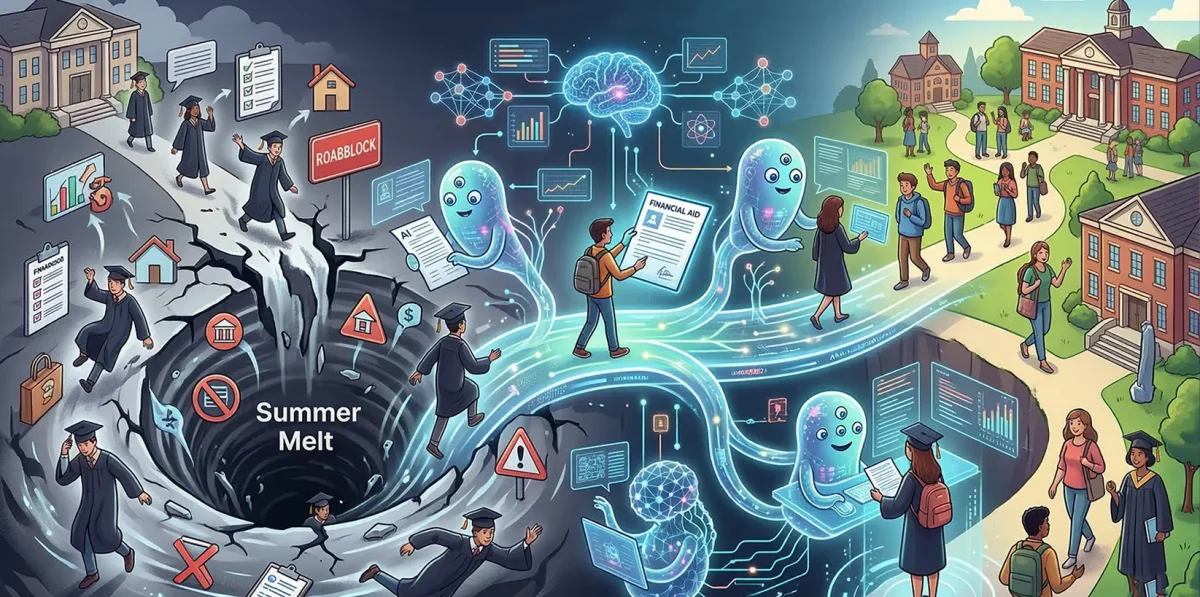
From the perspective of WebMap Network observations, this matters right now because the phenomenon known as “summer melt”… students dropping out of the enrollment pipeline before they even start… is increasing due to the complexity of modern university administration. We are observing a vital shift in higher education infrastructure as universities deploy AI onboarding agents to turn chaotic administrative processes into seamless, context-aware conversations.
The Problem of Static Information
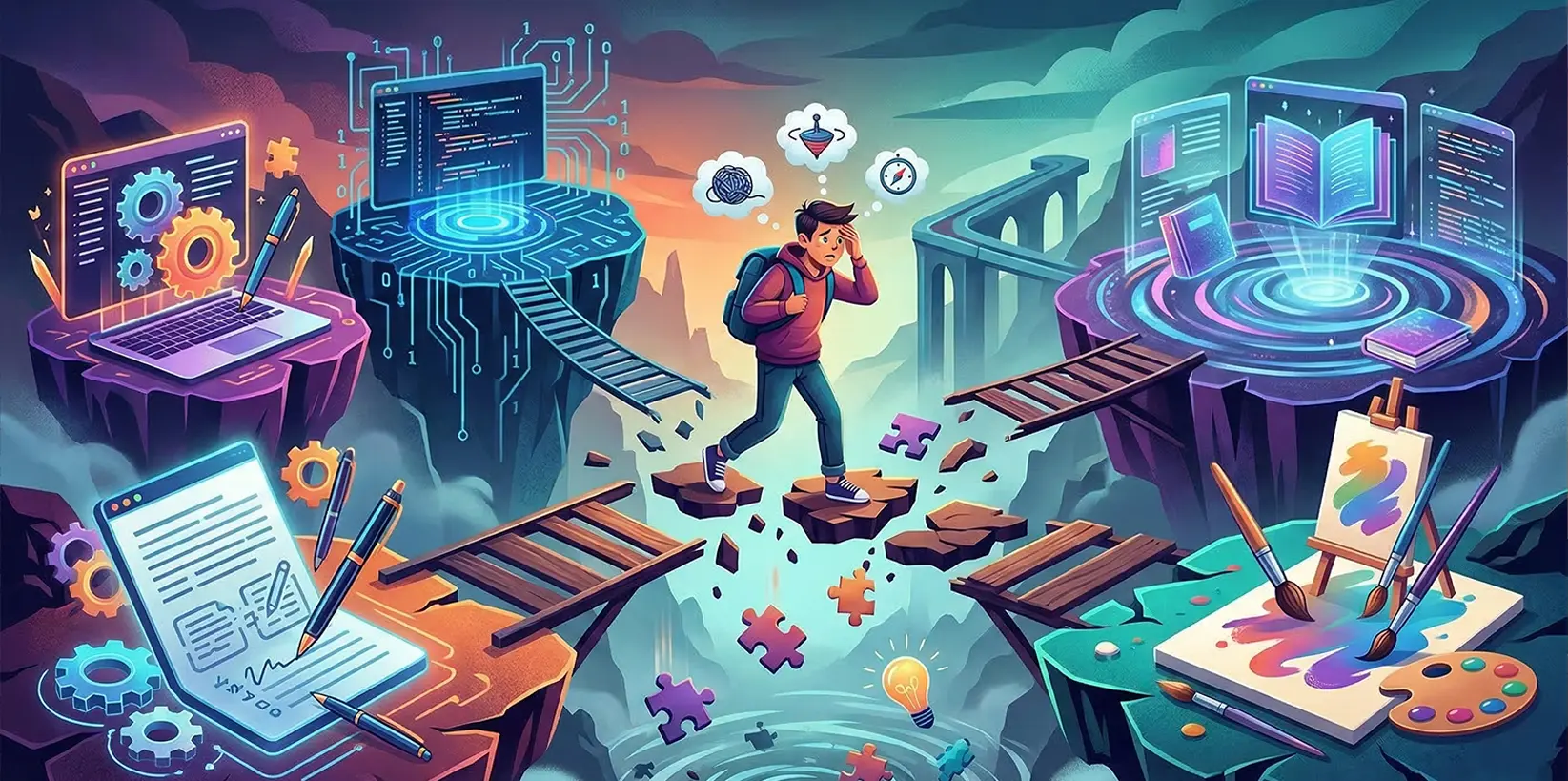
What the Development Is Universities traditionally provide information to incoming students in passive formats. An accepted student is faced with a chaotic obstacle course involving visa regulations, housing applications, course registration, and financial aid requirements. The standard solution has been to send thousands of students the same “one-size-fits-all” information packs or links to siloed departmental web pages.
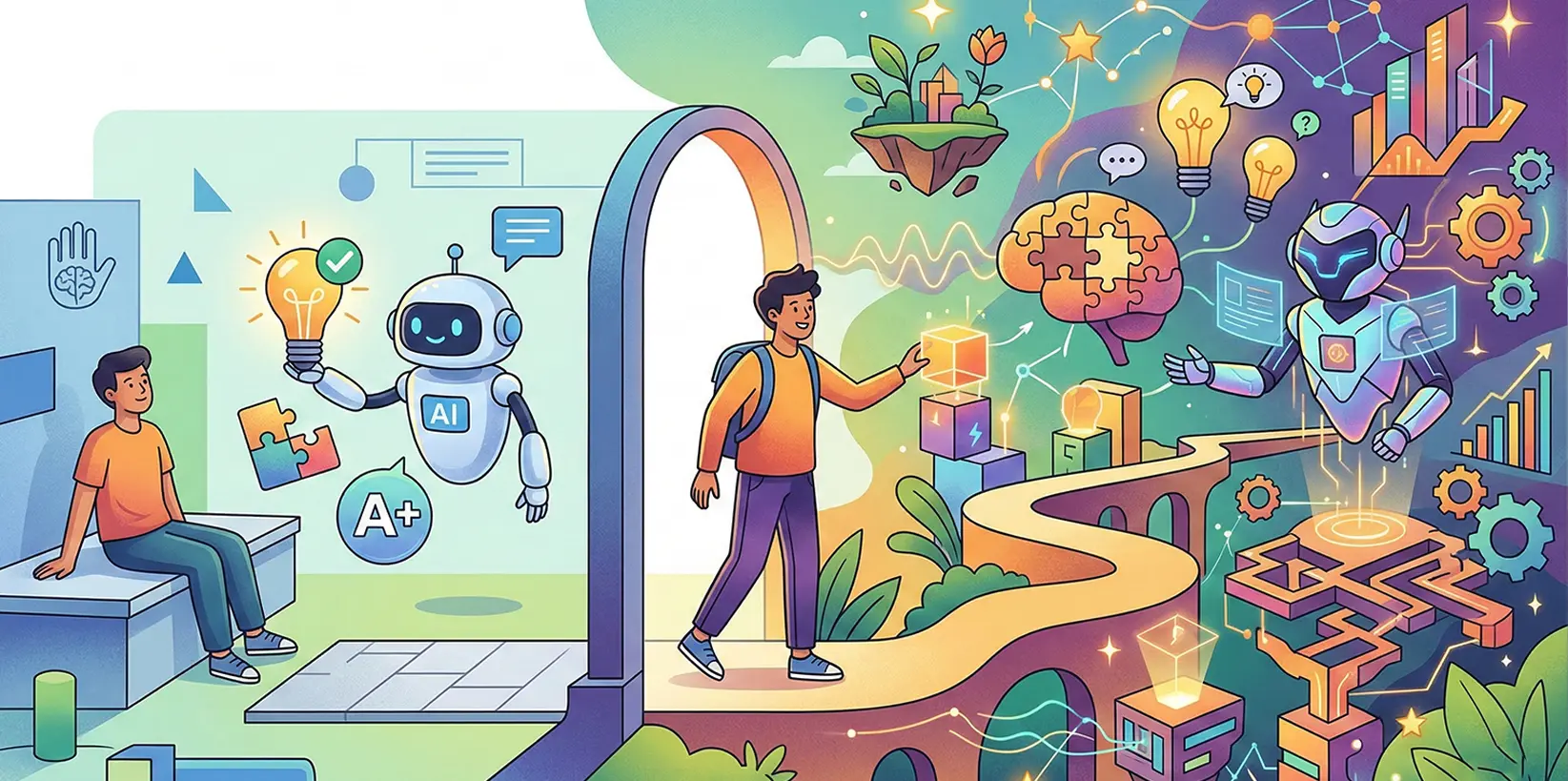
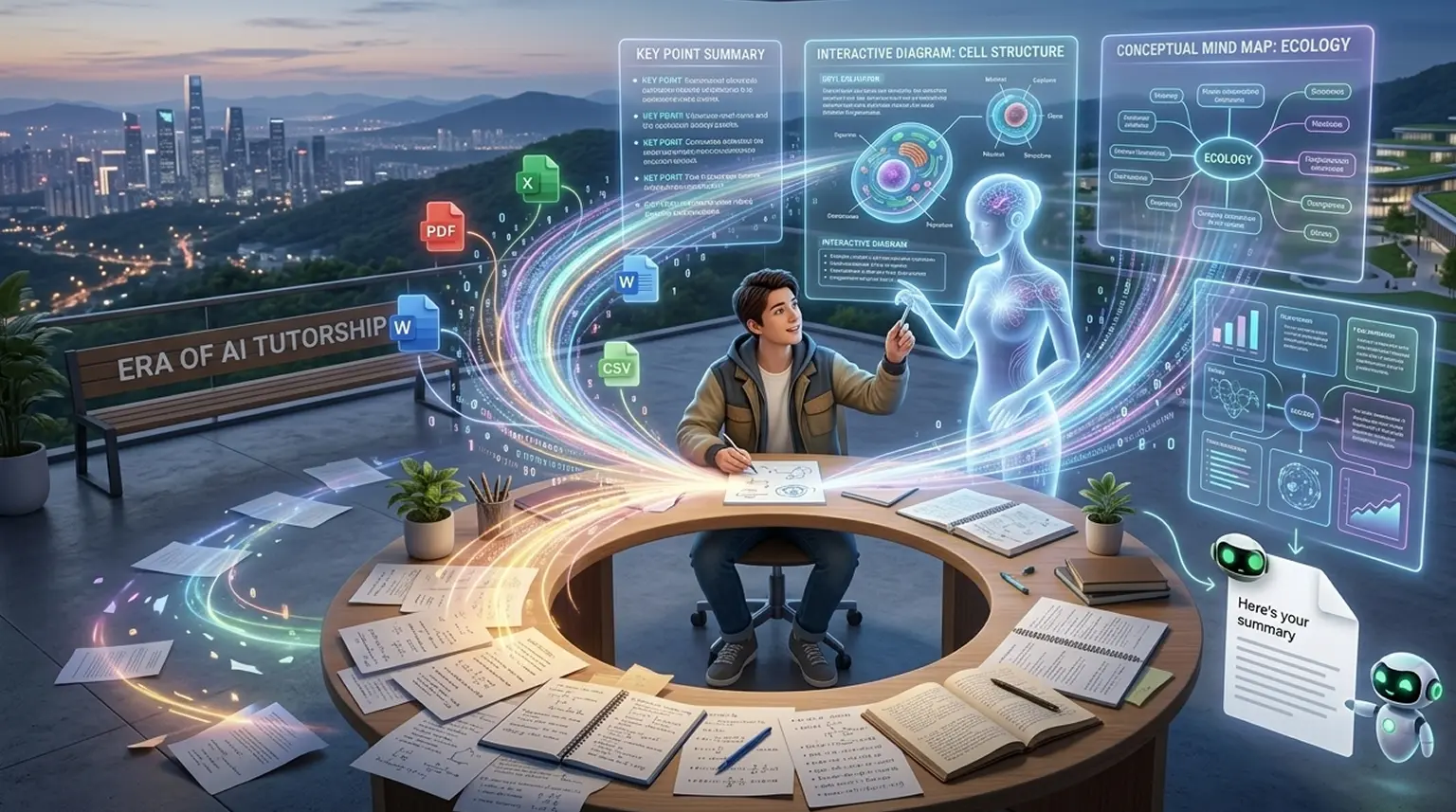
The new development is the use of structured intelligence engines, such as Docsity, to ingest all these disparate documents. These engines turn static handbooks and policy PDFs into a unified, structured knowledge base that can be interacted with conversationally.
Why It Is Important This shift is critical because administrative friction is a primary driver of summer melt. When a student cannot find a clear, simple answer to a complex question… such as how their specific financial aid package impacts their Maple Hall housing deposit… they get overwhelmed. By structuring this data, the university can deploy a context-aware agent that synthesizes accurate answers from multiple policy documents instantly. It moves the administrative relationship from passive broadcast to active, student-centric dialogue.
Industry or Market Impact The impact on the EdTech and university infrastructure market is significant. Passive document repositories and basic keyword search tools are becoming obsolete. The standard is now shifting toward “Publish Management” web agents. These are not just generic chatbots; they are verifiable, context-aware advisors capable of answering hyper-specific, multi-step student questions in real-time.
India and Global Implications For global institutions managing complex student visa processes, or massive universities in India handling thousands of admissions, this technology is essential. It ensures that critical regulatory and procedural information is always accurate, localized, and instantly accessible to a global student base. This reduces the burden on administrative staff while ensuring compliance across disparate international requirements.
Future Outlook In the near future, the standard for university digital transformation will be the “embedded” campus. We expect that static PDFs for incoming students will vanish entirely. They will be replaced by conversational, verifiable knowledge agents that guide a student seamlessly from their acceptance letter all the way to graduation day.
Analysis Section
WebMap Network Insights Our analysis at WebMap Network reveals that summer melt is rarely caused by a lack of student interest; it is caused by administrative overwhelm. Students often get lost in the noise between departments. The essential requirement is no longer “more information,” but structured intelligence that provides synthesized context.
Trends and Long-Term Meaning The trend is moving rapidly from “Search” to “Synthesis.” A modern student does not want a list of potentially relevant documents; they want the precise answer derived from cross-document reasoning. The long-term meaning of this shift is that university data must be treated as active intelligence rather than passive storage. It must be structured so that AI agents can interact with it with perfect accuracy.
Conclusion
By leveraging structured intelligence to create context-aware onboarding agents, universities can finally look beyond the “Dear Applicant” email. This technology allows institutions to transform their relationship with incoming students… offering clear guidance through administrative chaos, reducing summer melt, and ultimately securing their enrollment pipeline.