What Happens When Every Student Has an AI Research Assistant?

Introduction
Research has always been a fundamental part of education. Whether students are preparing assignments, writing essays, or developing complex research papers, they must search for information, analyze different sources, and organize their ideas clearly.
However, traditional research often takes a significant amount of time. Students may spend hours looking through websites, articles, and notes before finding the information they actually need.
Now imagine a world where every student has a personal research assistant available at any time.
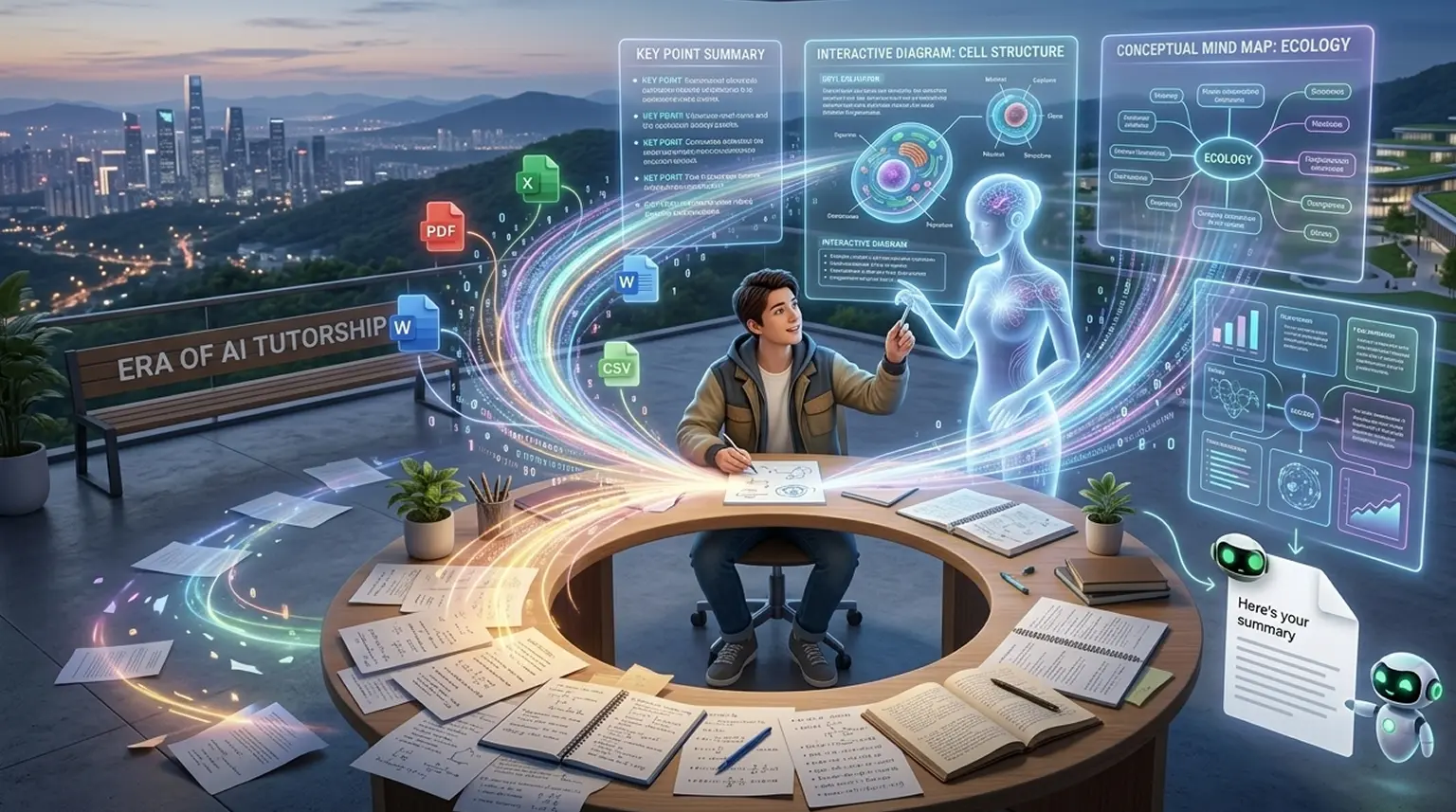
This is exactly what artificial intelligence is beginning to offer. Instead of working alone through massive amounts of information, students can collaborate with AI systems that help them search, analyze, and structure knowledge.
From the perspective of WebMap Network observations, the rise of AI-powered research assistants could dramatically transform how students explore knowledge and develop academic insights.
The Traditional Research Struggle
Too Much Information, Not Enough Clarity
Today’s students have access to more information than any generation before them. The internet contains millions of articles, research papers, and educational resources.
But access to information does not automatically make research easier.
A useful analogy is visiting a massive supermarket without any aisle labels. Even though everything you need might be inside the store, finding the right items could take a very long time.
Research often feels similar. Students open many browser tabs, read multiple articles, and take scattered notes, trying to piece together a complete understanding of the topic.
This process can quickly become overwhelming.
AI as a Personal Research Assistant
Helping Students Find the Right Information
Artificial intelligence can simplify this process by acting as a digital research assistant.
Instead of manually searching through large volumes of content, students can ask AI systems to analyze information and provide clear insights.
AI tools powered by models like ChatGPT, Claude, and Gemini are already helping students summarize articles, explain complex topics, and generate research ideas.
Think of AI as a highly knowledgeable librarian.
Instead of simply pointing to a shelf of books, the librarian reads the books quickly, identifies the important sections, and explains them in simple terms.
This allows students to move from searching for information to actually understanding it.
Turning Research Into Structured Knowledge
From Random Notes to Organized Insights
One of the biggest challenges students face is organizing the information they collect during research.
Students often gather notes from many sources, but connecting those ideas into a clear structure can be difficult.
Imagine trying to assemble a large puzzle where all the pieces are scattered across the table.
AI research assistants can help organize these pieces by identifying themes, grouping related concepts, and highlighting the most important insights.
This makes it easier for students to see the bigger picture and develop stronger academic arguments.
Exploring Ideas From Multiple Perspectives
The Power of Multi-Model Intelligence
Different AI models often provide different strengths and perspectives.
Some models may be better at explaining concepts in simple language, while others may excel at logical reasoning or technical analysis.
When students can interact with multiple AI systems, they gain access to different viewpoints on the same topic.
This is similar to discussing an idea with several professors instead of just one.
Each perspective adds depth to the discussion and helps students develop a stronger understanding of the subject.
How Webmap Enables AI-Powered Research
Platforms like Webmap are designed to support this modern research environment through a unified interaction layer.
Instead of switching between multiple tools and losing track of conversations, students can interact with several AI models within a single structured workspace.
This allows students to:
- compare insights from different AI models
- maintain research context across long conversations
- organize research findings into structured knowledge
- explore complex topics without restarting the process each time
For example, a student researching renewable energy could ask multiple AI systems to explain the environmental, economic, and technological aspects of the topic.
Webmap helps organize these insights into a clear framework that students can use when preparing their assignments or research papers.
Encouraging Curiosity and Deeper Learning
Another important effect of AI research assistants is that they encourage students to explore ideas more deeply.
When students receive quick explanations and organized information, they have more time to ask new questions and investigate advanced topics.
Instead of spending hours searching for basic information, students can focus on critical thinking, analysis, and creativity.
AI becomes a tool that supports intellectual exploration rather than simply providing answers.
The Future of Research in Education
If every student has access to an AI research assistant, the research process could become significantly more efficient.
Future systems may automatically:
- summarize long academic papers
- connect ideas across multiple research sources
- suggest new research directions
- organize knowledge into visual or structured formats
This could allow students to work more like professional researchers, exploring ideas and building insights faster than ever before.
Conclusion
Research is one of the most important skills students develop during their education. However, traditional research methods often involve navigating large amounts of scattered information.
Artificial intelligence offers a new approach by acting as a personal research assistant that helps students analyze, organize, and understand knowledge more effectively.
Platforms like Webmap demonstrate how multi-model AI systems can transform research into a more structured and collaborative process. As AI continues to evolve, the future of education may involve students working side by side with intelligent systems that help guide their research journey, making knowledge discovery faster, clearer, and more accessible than ever before.