AI Is Becoming Core Infrastructure… Understanding the New Global Technology Shift


Introduction
Artificial Intelligence is no longer confined to experimental tools or conversational chatbots. Across global markets, industries, and governments, AI is entering a new phase of technological maturity. At WebMap Network, we observed a clear pattern emerging across innovation ecosystems… AI is transitioning from software capability to foundational infrastructure.
This shift signals one of the most significant transformations in modern digital history.
From Chatbots to AI Infrastructure
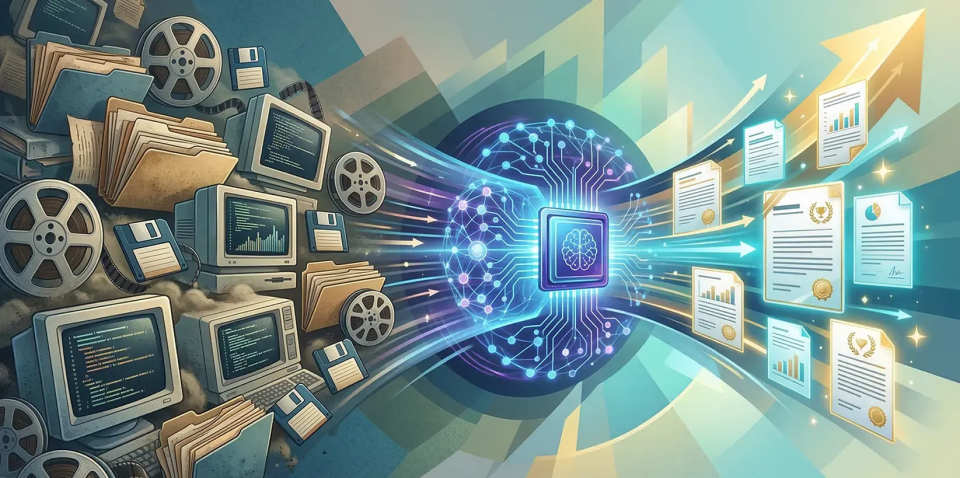
Early AI adoption was largely defined by chat-based interfaces capable of answering questions and generating content. While these tools accelerated awareness and accessibility, organizations are now moving beyond surface-level applications.
AI is increasingly embedded into infrastructure layers such as:
- Enterprise data systems
- Cloud computing platforms
- Workflow automation engines
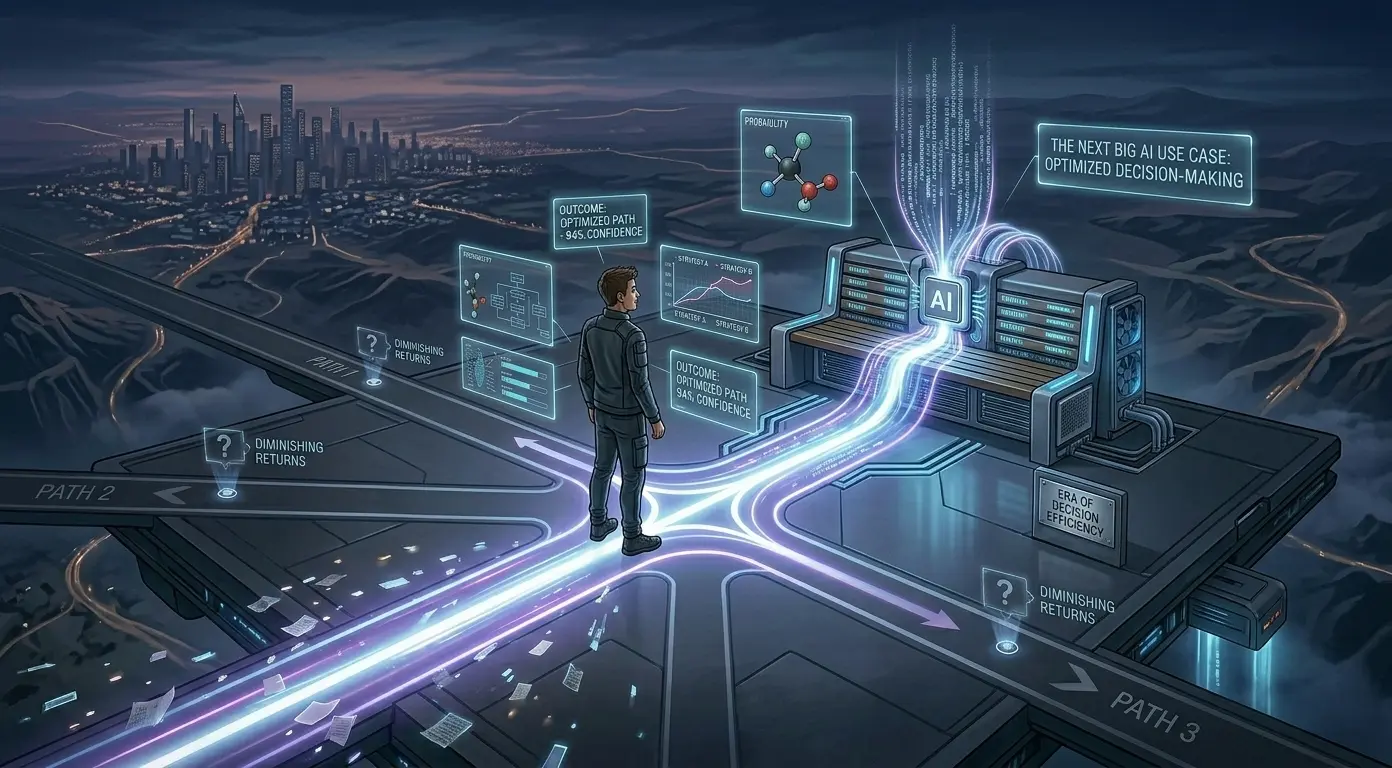
- Decision intelligence frameworks
Instead of being an add-on feature, AI is becoming the engine powering digital operations.
From Experimentation to Enterprise Deployment
Over the past few years, companies explored AI through pilot projects and limited experimentation. Today, adoption has shifted toward large-scale deployment.
At WebMap Network, we observed enterprises integrating AI into core business functions including operations, customer engagement, analytics, and product development. AI initiatives are now tied directly to revenue growth, productivity, and long-term strategy rather than innovation experiments.
From Global Models to Sovereign and Local AI
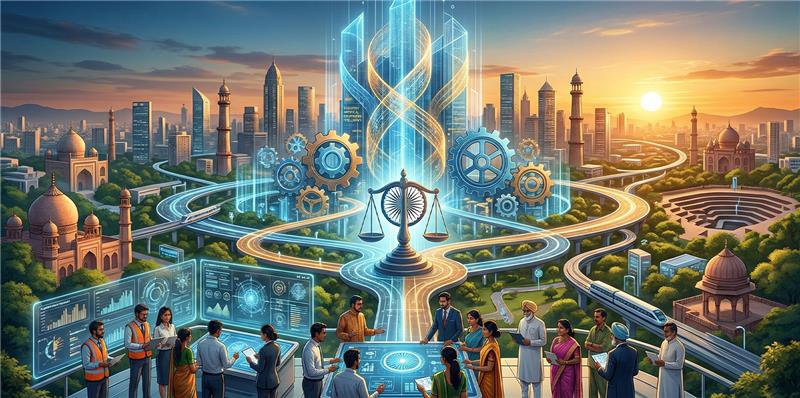
Another major trend shaping the AI landscape is the rise of sovereign and localized AI systems. Countries and organizations are increasingly building models optimized for regional languages, regulations, and economic priorities.
Localized AI provides advantages such as:
- Better cultural and linguistic understanding
- Data sovereignty and regulatory compliance
- Industry-specific optimization
- Reduced dependency on external platforms
This trend reflects a broader movement toward technological independence.
From Automation Tools to Workforce Transformation
AI adoption is also reshaping workforce structures. Instead of simply automating isolated tasks, AI is redefining how work itself is organized.
We observed organizations redesigning roles around human and AI collaboration. Employees are increasingly supported by intelligent systems capable of handling repetitive execution while humans focus on strategy, creativity, and decision-making.
This transformation is creating demand for new skills centered around AI literacy and workflow orchestration.
AI as Core Infrastructure
The most important insight emerging from global trends is that AI is becoming foundational infrastructure similar to electricity, cloud computing, or the internet itself.
Organizations are beginning to treat AI as:
- A productivity backbone
- A decision-support layer
- A scalable innovation platform
- A competitive necessity
Businesses that integrate AI deeply into their infrastructure are likely to gain long-term advantages in efficiency and adaptability.
Future Outlook
The next phase of AI will not be defined by individual applications but by systemic integration. AI will increasingly operate behind the scenes, powering industries, governments, and digital ecosystems.
At WebMap Network, we believe the conversation is shifting from what AI can do to how economies will function with AI embedded at their core.
AI is no longer just software… it is becoming infrastructure.