How Webmap Modality Eliminates LLM Latency & Model Switching Bottlenecks – A Story Every Enterprise Knows Too Well

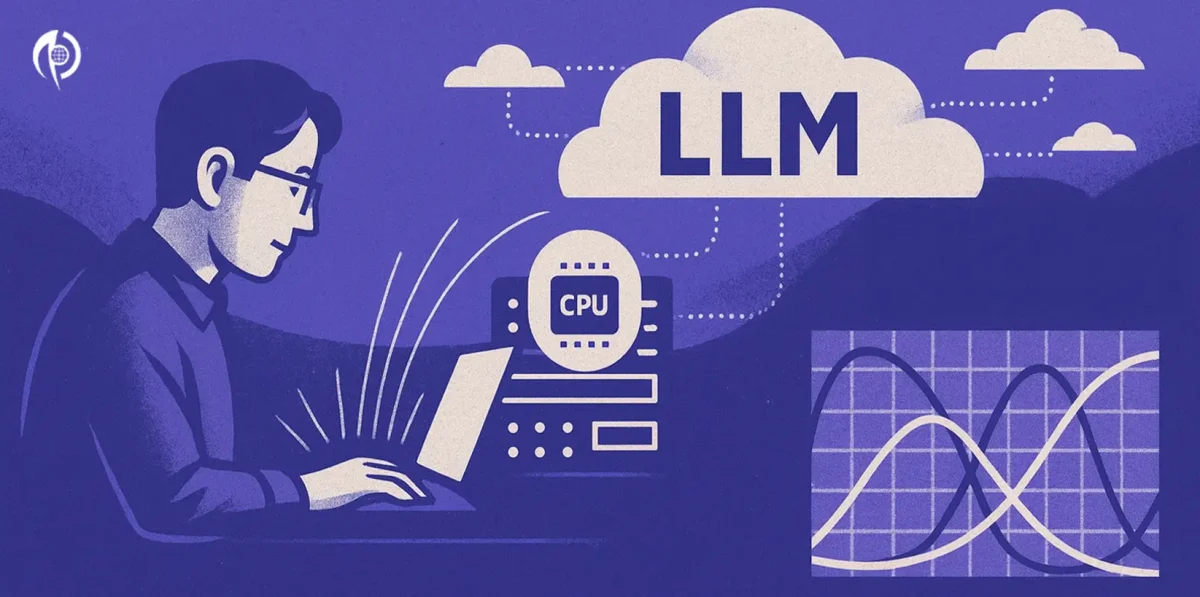
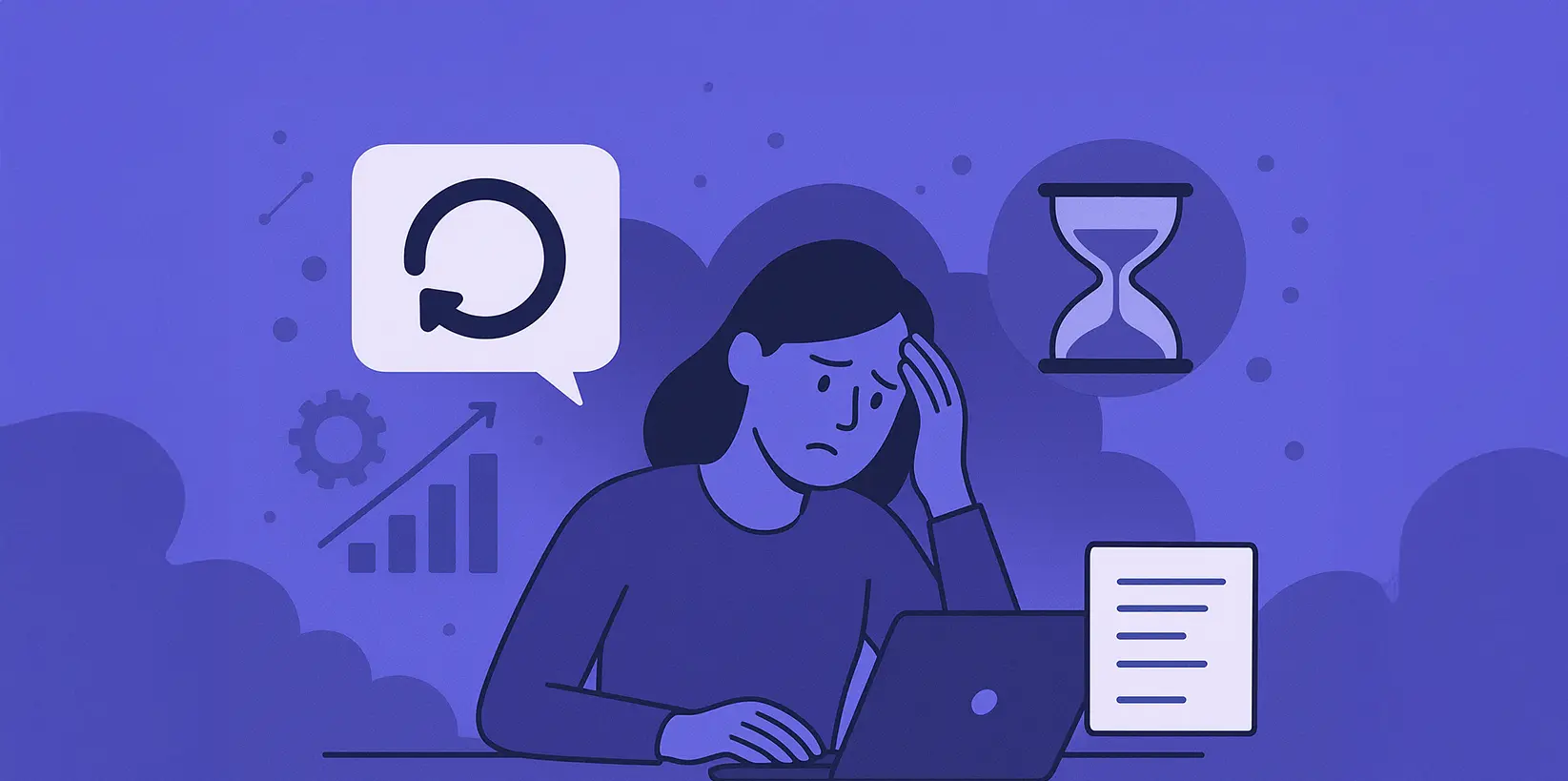
The product team of a large enterprise gathered on a Monday morning for their regular AI-driven workflow session. A researcher dropped a question into their system, and the AI responded within seconds. Then the analyst asked the next question… followed by silence. The wheel kept spinning. “It’s loading,” someone whispered. By the time the AI responded, the room had already lost momentum. This slowdown did not happen because the models were bad but because the workflow needed a different model, which meant it had to switch, reload context, and start from zero again. This is the story of every team that tries to use multiple AI models at scale. But when Webmap Modality enters the room, the story changes.
The Problem Nobody Talks About: AI Slows Down When Workflows Speed Up
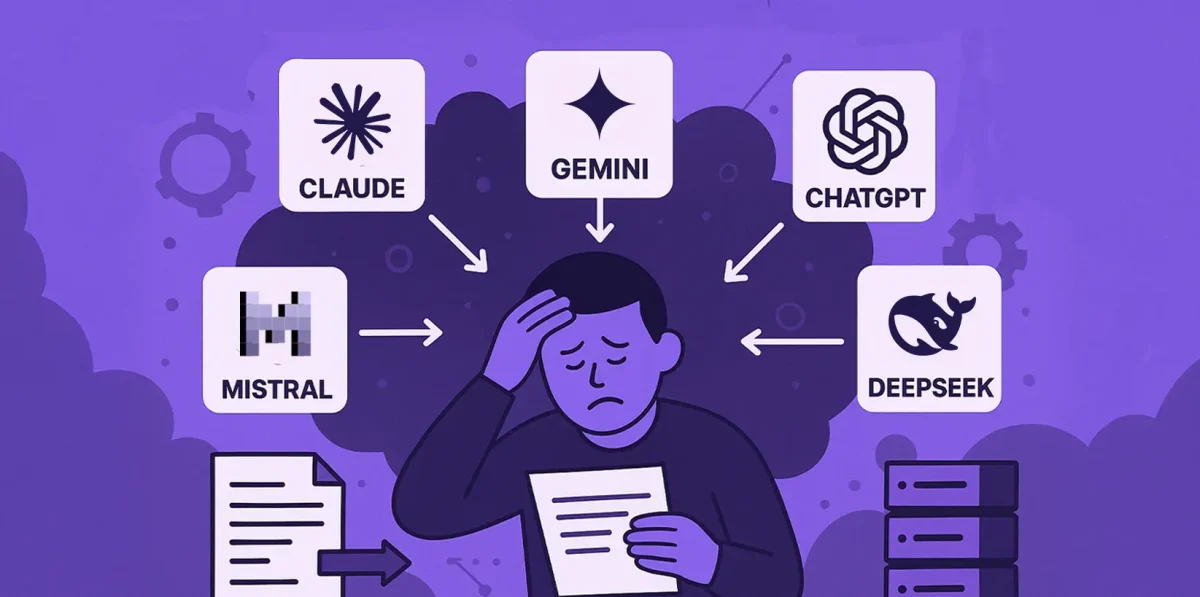
Every modern enterprise uses a mix of AI models such as Claude for reasoning, ChatGPT for creativity, Gemini for search, DeepSeek for structured tasks, and Mistral for lightweight operations. Each of these models is excellent on its own, but the moment you try to combine them, the mess begins. Context gets lost, memory drops, latency increases, API calls stack up, and people wait. It is like having five brilliant assistants who don’t communicate with each other and every time one takes over, they ask, “Can you repeat everything from the start?” That is what kills productivity.
Enter Webmap Modality: The AI System That Remembers the Whole Room
Now imagine the same team meeting the following Monday, but this time the system is powered by Webmap Modality. The researcher asks a question, and Webmap responds immediately with nothing new there. But then the analyst asks something that requires a different model. The system doesn’t stop, doesn’t reload anything, and doesn’t blink. The result appears instantly, as if all models were part of one mind. What happened behind the scenes was Webmap magic: a shared memory layer that holds everything together. Not a few thousand tokens, not a temporary cache, but 1 BILLION tokens of long-term memory embedded directly in the workflow. This is where the story turns from “AI is helpful” to “AI feels human.”
Why There’s Zero Latency: The System Already Knows What You’re About to Do
Traditional platforms switch models like switching tabs on a browser. Webmap Modality switches between models like shifting gears on an automatic car you can hardly feel it. It never resends context because most systems resend your entire workflow history every time you switch models, while Webmap doesn’t. All models read from the same shared memory pool, so switching from Claude → Gemini → ChatGPT does not restart your story; it continues the same chapter.
It also preloads the next model before you need it. If the system notices that your workflow usually goes Research → Outline → Write → Check, it prepares the next model in advance. This is why it feels like zero latency because Webmap moves faster than the user’s thought process.
Webmap uses an internal multimodal engine while most AI tools route everything through external APIs. Webmap routes everything inside its multimodal ecosystem. It is the difference between taking a local train versus waiting for flights to different cities.
The Result: Enterprise Teams Finally Move Like One Brain
Within a week of using Webmap Modality, the team in our story noticed that the slow moments disappeared, nobody repeated information anymore, each model built on the previous model’s output, and the workflow felt like working with one super-intelligent engine. Meetings became shorter because results came faster. What earlier felt like a “stop-and-go” workflow started to feel like a smooth narrative. AI did not just answer; it followed the story because it remembered the entire context.
Conclusion: When AI Stops Lagging, Work Stops Breaking
Every enterprise eventually hits bottlenecks: too many models, too much switching, too much loss of context, and too much latency. Webmap Modality was built for this exact moment. It transforms a fragmented AI stack into a single, fluid, memory-driven system where model switching feels invisible and workflows feel alive. No delays, no resets, no friction. AI that thinks and moves just like humans.