The Next Generation Research Assistant: AI That Thinks Across Models


Introduction
Research has always been one of the most important skills in education. Students constantly search for information, read articles, compare ideas, and organize insights into assignments or research papers.
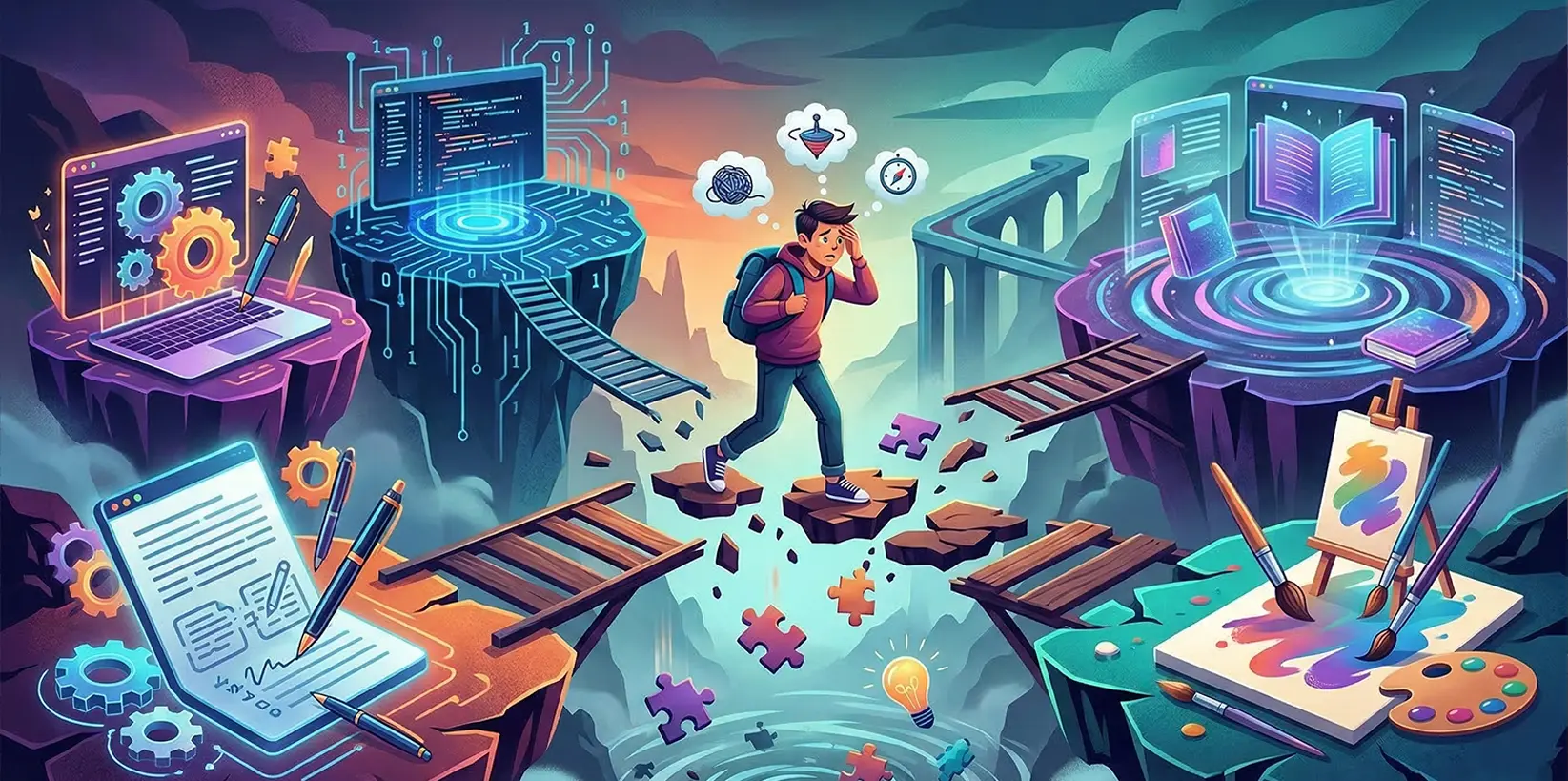
However, modern research comes with a new challenge: too much information and too many tools.
Students often switch between search engines, research databases, and multiple AI tools while trying to understand a topic. Each tool may provide helpful information, but connecting everything together becomes difficult.
This is where the next generation of AI research assistants is beginning to change the learning experience.
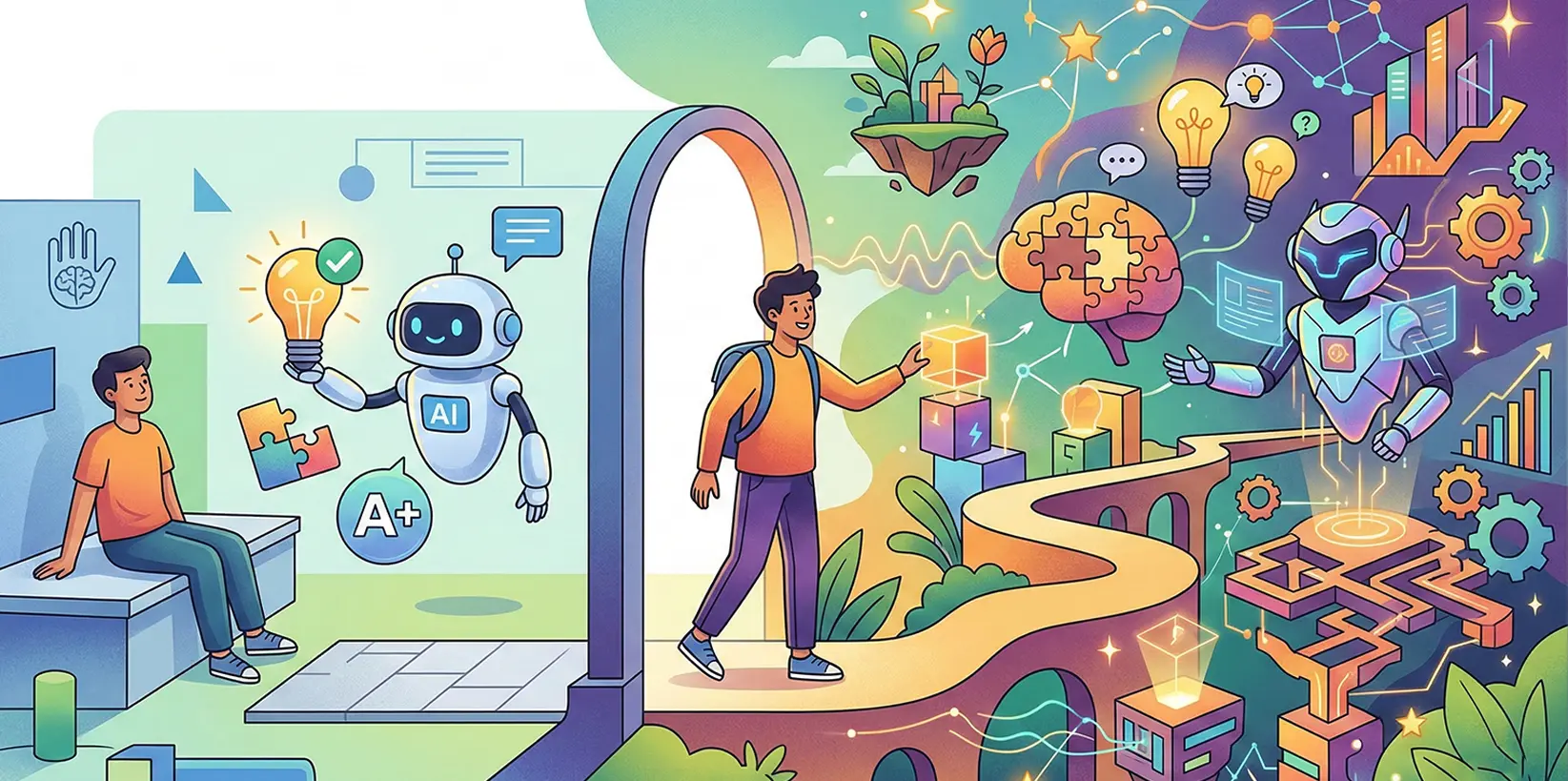
Instead of relying on a single AI model, new systems are designed to think across multiple AI models, combining their strengths to provide deeper insights and structured knowledge.
From the perspective of WebMap Network observations, this shift could significantly improve how students explore information and conduct research.
The Limitations of Single-Model AI
One Perspective Is Not Always Enough
Most AI tools today rely on a single language model to generate answers. While these models are powerful, they still have limitations.
Think of it like asking only one teacher to explain every subject in school. Even if the teacher is very knowledgeable, they may have stronger expertise in some subjects than others.
The same concept applies to AI models.
Some AI systems may be excellent at writing explanations, while others may perform better at logical reasoning, summarizing research papers, or analyzing technical data.
Models like ChatGPT, Claude, and Gemini each have unique capabilities.
Relying on just one model means students are only seeing one version of the explanation.
Thinking Across Models
Combining Multiple AI Perspectives
The next generation of research assistants introduces the concept of multi-model intelligence.
Instead of asking one AI system a question, students can interact with several AI models within the same research environment.
Each model contributes its own perspective, and the system combines these insights into a more comprehensive response.
A simple analogy is a panel discussion.
Imagine asking a question during a university seminar where several experts are present. Each expert may approach the topic from a slightly different angle. By listening to all of them, students gain a more complete understanding.
Multi-model AI works in a similar way. It gathers insights from different models and allows students to compare and analyze their responses.
Making Research Smarter
Moving Beyond Simple Answers
Traditional AI tools focus mainly on answering questions.
However, the next generation of AI research assistants aims to support the entire research process.
Instead of simply generating answers, these systems can help students:
- explore multiple viewpoints on a topic
- compare explanations from different models
- summarize large research documents
- organize insights into structured knowledge
Think of it like working with a research assistant who not only answers questions but also helps you organize your notes, analyze information, and build a clear research framework.
This allows students to focus more on understanding concepts rather than managing scattered information.
Turning Conversations Into Knowledge
From Temporary Questions to Long-Term Learning
Another challenge students face when using AI tools is the lack of continuity between conversations.
Many AI systems treat every question as a completely new interaction. As a result, students often have to repeat explanations or provide background information again.
A useful analogy is discussing a topic with someone who forgets the previous conversation every time you speak.
Next-generation AI research systems solve this problem by maintaining context and conversation history. This allows the system to build on earlier discussions and gradually develop a deeper understanding of the student’s research topic.
Over time, these conversations evolve into structured knowledge rather than isolated answers.
How Webmap Enables Multi-Model Research
Platforms like Webmap are designed to support this new research environment through an advanced interaction layer.
Instead of switching between different AI tools, students can interact with multiple AI models in a single workspace while preserving the context of their research.
This approach allows students to:
- access multiple AI models from one interface
- compare insights across different models
- maintain long research conversations with preserved context
- organize discussions into structured knowledge frameworks
For example, a student researching renewable energy might ask different AI models to analyze environmental impacts, economic factors, and policy implications.
Webmap helps combine these insights into a clear structure that students can use for essays, presentations, or research papers.
Encouraging Deeper Critical Thinking
An important advantage of multi-model AI research assistants is that they encourage stronger critical thinking.
When students receive responses from multiple AI systems, they naturally begin to evaluate and compare the information.
Instead of accepting a single answer as final, students learn to ask questions such as:
- Which explanation makes the most sense?
- Why do the models provide different perspectives?
- What additional information might be needed?
This process strengthens analytical skills and helps students develop a deeper understanding of complex topics.
Future Outlook
The role of AI in research will likely continue to expand in the coming years.
Future research assistants may automatically:
- connect related ideas across different research papers
- identify knowledge gaps in a student’s research topic
- generate structured research outlines
- visualize complex knowledge networks
In this environment, students will work alongside AI systems that act not just as answering tools, but as intelligent research collaborators.
Teachers and professors will remain essential in guiding discussions, encouraging curiosity, and helping students evaluate information critically.
AI will simply make the research process faster, more organized, and more accessible.
Conclusion
The next generation of research assistants is moving beyond single-model AI tools toward systems that think across multiple models.
By combining insights from different AI systems, students gain access to richer explanations, diverse perspectives, and more structured knowledge.
Platforms like Webmap demonstrate how multi-model AI environments can transform the research process into a more interactive and efficient experience.
As these technologies continue to evolve, students may soon find that their most powerful research partner is not just a search engine or a single AI model, but a multi-model intelligence system that helps them explore knowledge from every angle.