Find Out More :
Explore the Knowledge of "#EdTech" !
Empowering Educators – How AI and Teachers Transform Education Together
Introduction For decades, the conversation around AI in education has been dominated by a single, misplaced fear: “Will AI replace teachers?” At Webmap, we believe the answer is a resounding no. Instead, AI is the tool that will finally allow teachers to do what they do best… teach. Currently, educators spend over 40% of their … Continue reading “Empowering Educators – How AI and Teachers Transform Education Together”


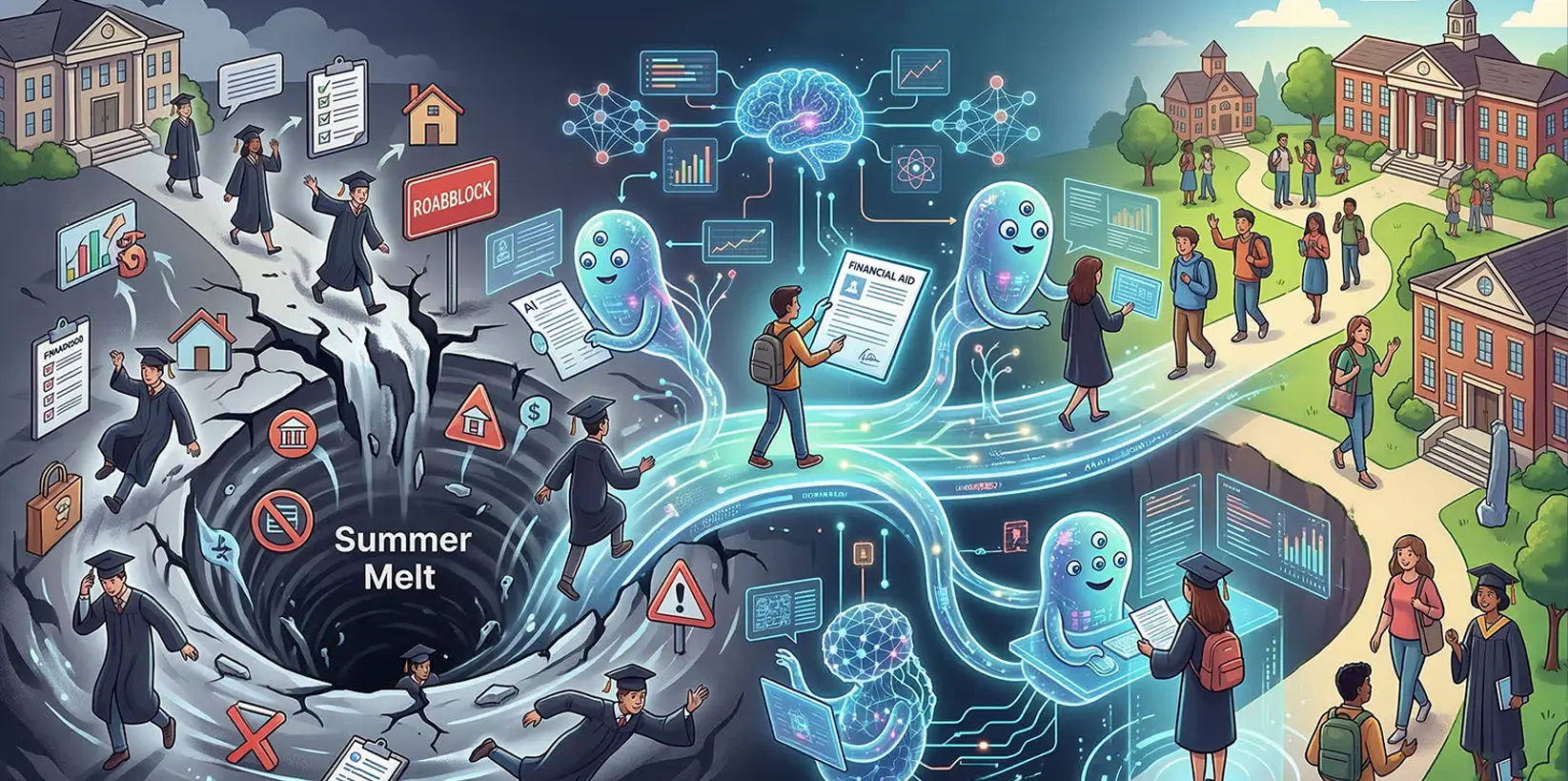
Reducing Summer Melt with Context-Aware AI Onboarding Agents
Introduction The time between a student accepting their university offer and the first day of class is a critical period fraught with administrative hurdles. For decades, institutions have managed this journey with a barrage of generic “Dear Applicant” emails and links to massive, static PDFs of student handbooks and policy guides. From the perspective of … Continue reading “Reducing Summer Melt with Context-Aware AI Onboarding Agents”
The AI Grant Accelerator: Synthesizing Decades of Faculty Data into Winning Proposals
IntroductionSecuring research funding is the lifeblood of any modern university, but the process is highly competitive, exhausting, and time-consuming. Lead researchers often spend more time navigating bureaucratic paperwork and formatting budgets than they do on actual scientific discovery. From the perspective of WebMap Network observations, this matters right now because the velocity of institutional research … Continue reading “The AI Grant Accelerator: Synthesizing Decades of Faculty Data into Winning Proposals”

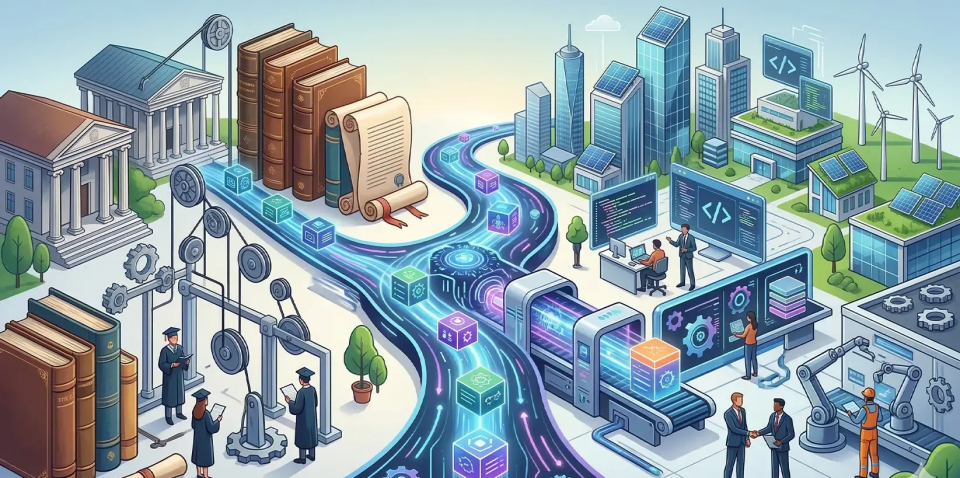
The Job-Market Sync: Automating the Alignment of Syllabi with Industry Needs
Introduction A growing disconnect exists between what universities teach and what employers actually require. Higher education institutions are increasingly asking themselves a critical question… how do we know if we are teaching outdated skills? From the perspective of WebMap Network observations, this matters right now because student ROI and graduate employability are under intense scrutiny. … Continue reading “The Job-Market Sync: Automating the Alignment of Syllabi with Industry Needs”
Solving the University Data Silo and Unifying 50 Years of Campus Knowledge
Introduction For decades, higher education institutions have operated like small cities, with each department building its own digital infrastructure. The result is a sprawling, fragmented landscape of legacy websites, forgotten intranet portals, and disparate servers housing half a century of institutional memory. From the perspective of WebMap Network observations, this fragmentation matters right now because … Continue reading “Solving the University Data Silo and Unifying 50 Years of Campus Knowledge”

Automating Accreditation: How Structured AI Reduces Months of Paperwork to Minutes
Introduction The university accreditation process has long been a grueling, resource-heavy marathon. Compiling thousands of pages of faculty credentials, course syllabi, and institutional policies typically takes administrative teams months of manual labor. However, a massive shift is occurring as institutions adopt structured AI to handle this burden. From the perspective of WebMap Network observations, this … Continue reading “Automating Accreditation: How Structured AI Reduces Months of Paperwork to Minutes”

The Embedding-Ready Campus and the Future of University Infrastructure
Introduction Higher education institutions are sitting on a goldmine of information. For decades, universities have accumulated research papers, syllabi, administrative policies, and historical archives. However, this wealth of knowledge is largely trapped in static formats like isolated PDFs and disconnected web portals. From the perspective of WebMap Network observations, this matters right now because the … Continue reading “The Embedding-Ready Campus and the Future of University Infrastructure”

Why One AI Model Is Not Enough for Higher Education: The Case for Multi-LLM Orchestration
Introduction A significant realization is taking hold across university campuses and research institutions: standardizing on a single Artificial Intelligence provider is fundamentally limiting. The academic world is moving away from a “one-size-fits-all” approach toward ecosystems that support multiple Large Language Models simultaneously. From the perspective of WebMap Network observations, this development matters right now because … Continue reading “Why One AI Model Is Not Enough for Higher Education: The Case for Multi-LLM Orchestration”
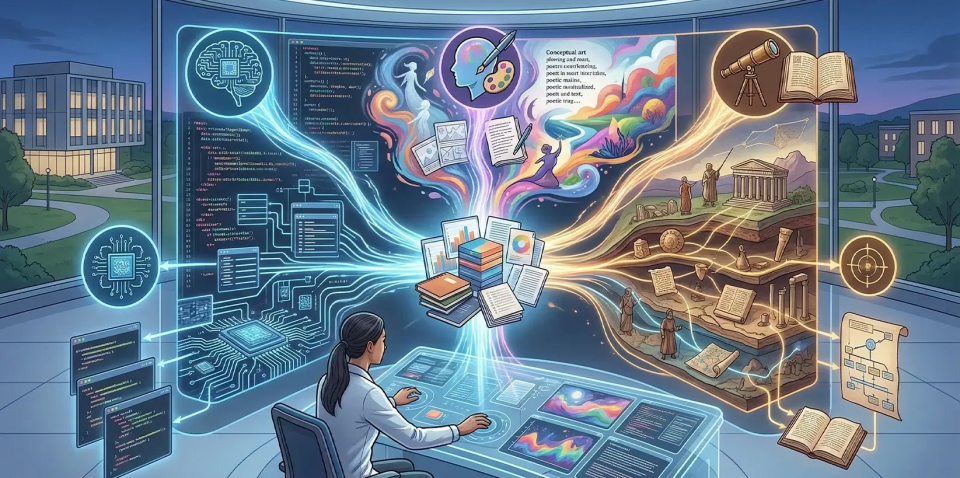
The End of Static Learning: Why Education Needs Context-Aware AI Systems
For decades, education has followed a static model of learning. Students attend lectures, read textbooks, memorize information, and then attempt to apply that knowledge in exams. The structure is mostly fixed: the same syllabus, the same pace, and the same teaching method for everyone. But the world students are preparing for today is not static … Continue reading “The End of Static Learning: Why Education Needs Context-Aware AI Systems”

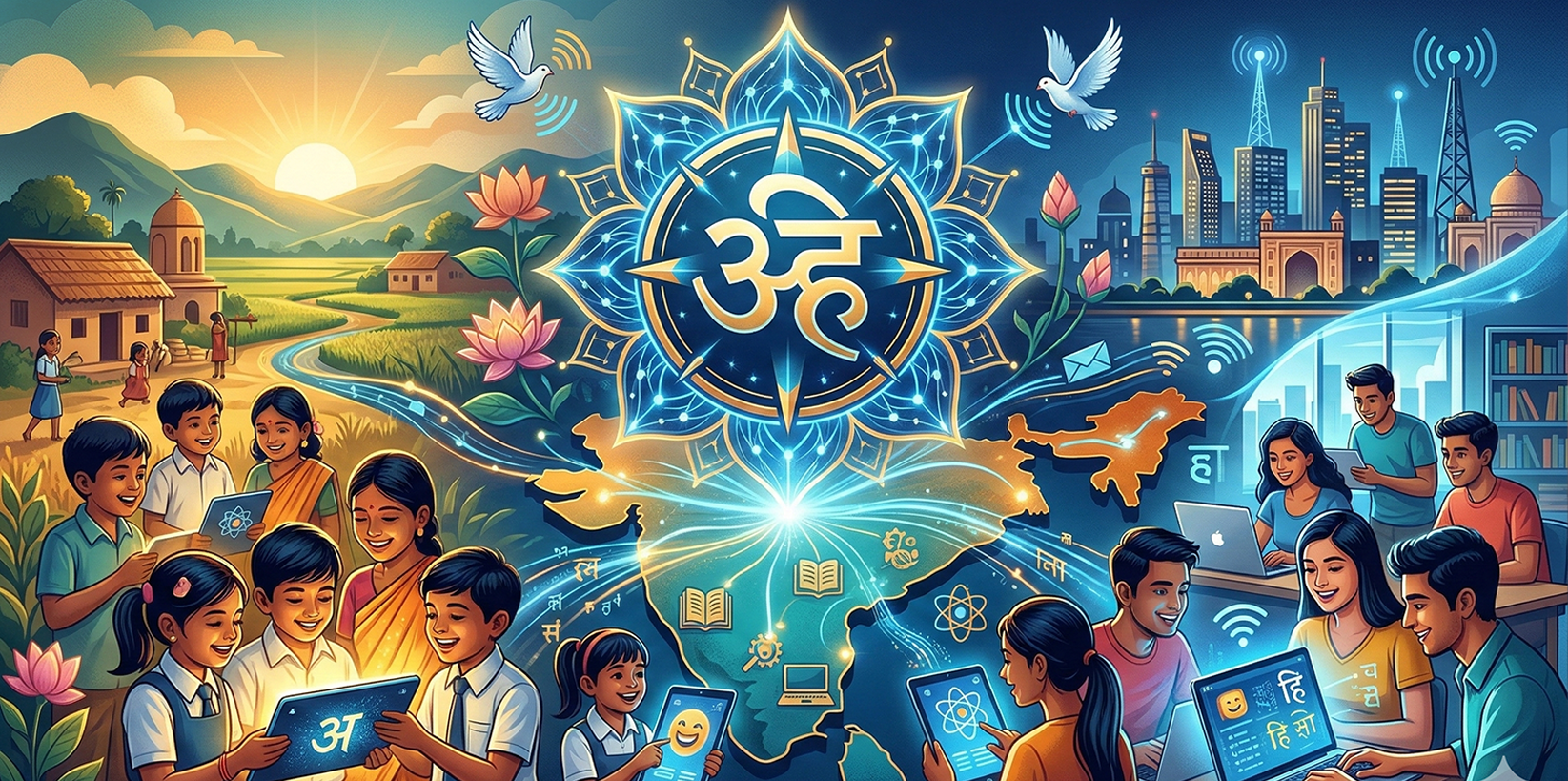
Hindi-First Education LLM Launched… Expanding AI Learning Access in India
India’s artificial intelligence ecosystem continues to expand into new sectors, and education is now becoming a major focus area. Recently, Tech Mahindra unveiled a Hindi-first Education LLM designed specifically for digital learning platforms and agent-based AI systems. The initiative aims to make AI-powered education more accessible to millions of students who primarily learn in Hindi … Continue reading “Hindi-First Education LLM Launched… Expanding AI Learning Access in India”