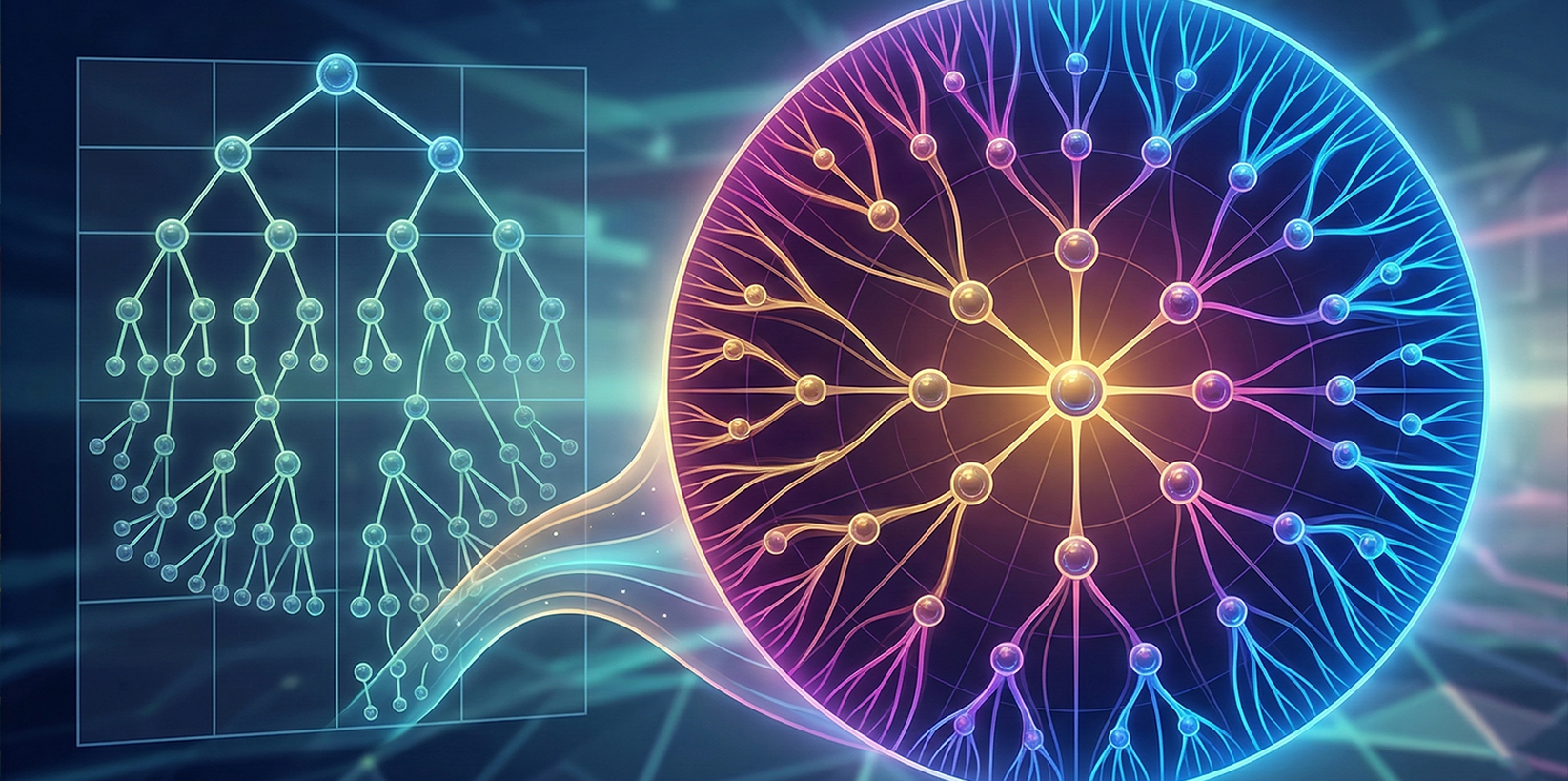
AI That Feels Style: Embeddings for Cultural & Creative Understanding


How AI is learning to “feel” style, not just read meaning
Introduction: From Meaning to Style
Most people think AI understands what something says. But creativity is not only about what is said it’s about how it’s expressed.
A love song, a protest song, and a lullaby may use similar words, yet feel completely different.
This is where creative style embeddings come in.
Instead of embedding only semantic meaning (topics, facts, intent), modern AI systems are learning to embed aesthetic signals rhythm, tone, mood, structure, and cultural patterns. These are called aesthetic or style embedding vectors.
Think of it like this:
- Semantic embeddings answer “What is this about?”
- Style embeddings answer “What does this feel like?”
What Are Creative Style Embeddings?
Creative style embeddings are numerical representations that capture artistic and cultural patterns rather than pure information.
They can encode:
- Visual brushstroke patterns in art
- Musical rhythm, tempo, and harmony
- Writing tone, pacing, and emotional intensity
- Cultural storytelling structures
Everyday analogy:
If content is the recipe, style is the cooking technique. Two chefs can use the same ingredients but produce completely different dishes.
Why This Is Unique in AI
Traditional AI treats creativity as data. Style-aware AI treats creativity as expression.
Instead of only matching keywords or objects, embeddings now capture:
- Emotional weight
- Creative intent
- Cultural context
- Artistic signature
This enables AI systems to compare how things are made, not just what they are about.
Key Capabilities Enabled by Style Embeddings
1. Comparing Artistic Styles
AI can measure stylistic similarity between artworks, even across eras or cultures.
Example:
- A modern digital illustration can be compared to Renaissance paintings based on composition and color flow, not subject matter.
Analogy:
Like recognizing handwriting styles you know who wrote it even without reading the words.
2. Representing Music Composition Patterns
Music embeddings now encode:
- Rhythm structures
- Harmonic progression
- Instrument layering
- Emotional dynamics
This allows AI to understand why two songs feel similar, even if they sound different.
Analogy:
Two playlists may use different songs, but both feel “late-night calm” that mood is what embeddings capture.
3. Analyzing Creative Similarity
Creative similarity goes beyond surface-level resemblance.
AI can now detect:
- Narrative pacing
- Visual symmetry
- Emotional arcs
- Stylistic consistency
This helps in creative discovery, recommendation, and preservation.
Analogy:
It’s like recognizing two movies have the same “vibe” even with different actors and plots.
4. Recognizing Emotional & Stylistic Nuance
Style embeddings capture subtle differences such as:
- Melancholy vs nostalgia
- Minimalism vs complexity
- Calm intensity vs explosive energy
These nuances are often invisible to keyword-based systems.
Analogy:
Two smiles look similar, but one is polite and the other is genuine. Humans sense it instantly, and style embeddings aim to do the same.
Semantic vs Style Embeddings
| Aspect | Semantic Embeddings | Style Embeddings |
|---|---|---|
| Focus | Meaning & facts | Expression & aesthetics |
| Answers | “What is this about?” | “How does this feel?” |
| Used for | Search, Q&A, RAG | Art, music, culture, creativity |
| Sensitivity | Low to emotion | High to emotion & nuance |
Where Cultural & Creative Style Embeddings Are Used
| Domain | What Gets Embedded |
|---|---|
| Visual Art | Color flow, composition, texture |
| Music | Rhythm, harmony, emotional tone |
| Writing | Voice, pacing, sentiment |
| Film | Scene tempo, mood arcs |
| Fashion | Patterns, silhouettes, cultural signals |
Why This Matters in 2026
As AI becomes a creative collaborator, understanding style becomes critical.
Without style awareness, AI can copy content but with style embeddings, AI can understand creative identity.
This shift enables:
- Better creative discovery tools
- Cultural preservation at scale
- Fairer creative attribution
- Emotion-aware generative systems
In short, AI moves from information engines to creative understanding systems.
Conclusion: Teaching AI the Language of Style
Creative style embeddings mark a turning point in how AI interacts with culture and creativity. By embedding aesthetics, emotion, and expression, AI systems begin to understand how creativity feels, not just how it’s structured.
As creative embeddings continue to evolve, questions around creativity, authorship, and cultural intelligence are becoming central to the future of AI. At WebmapNetwork, we explore how embedding-based systems are enabling deeper creative understanding beyond surface-level meaning. If you’re curious about where creative AI is headed, connect with us @webmap.network to continue the conversation.