The End of the “English-Only” Elite… Democratizing Global Research


Introduction
For decades, the world’s most advanced scientific discoveries, medical breakthroughs, and technological innovations have been locked behind a towering linguistic wall. Today, over 80% of top-tier academic journals are published exclusively in English.
This creates a severe bottleneck for global innovation. If a brilliant student does not speak fluent academic English, their access to the world’s highest level of knowledge is stunted. The greatest barrier to education in the 21st century is no longer access to the internet; it is the “English-Only” gatekeeping of academia. But with the rapid evolution of intelligent knowledge systems, this linguistic monopoly is finally coming to an end.
1. The Flaw of Traditional Translation
In the past, non-native speakers relied on basic, word-for-word translation tools to read foreign research papers. However, direct translation fails miserably in academia.
When you translate a complex paper on machine learning or biotechnology word-for-word, the nuanced context is completely destroyed. Technical jargon becomes garbled, and the foundational logic of the research is lost in translation. The student is left with a confusing, fragmented document that is harder to understand than the original English text.
2. Enter “Context-Aware Multilingual Agents”
The future of democratized research lies in Context-Aware Multilingual Agents. Unlike traditional translators, these intelligent systems do not just swap English words for regional words. They read the document, comprehend the underlying scientific or theoretical context, and then restructure the explanation natively in the target language.
This means the AI understands the “why” and “how” of a theory before it even attempts to translate it, ensuring that the academic integrity and the depth of the research remain entirely intact, regardless of the language output.
3. Socratic Dialogue Without Borders
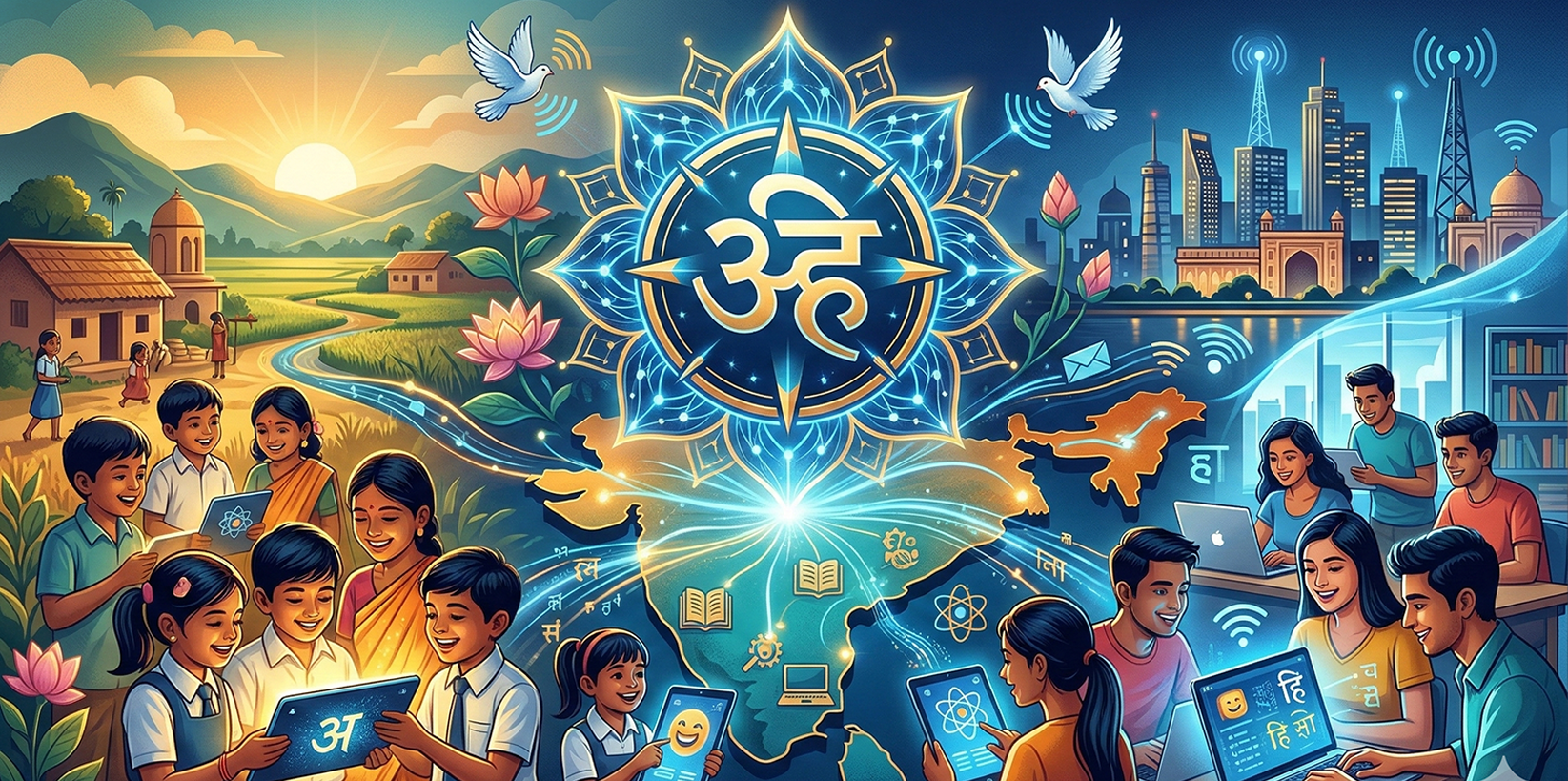
Imagine a young engineering student in a rising tech hub like Indore, or even a remote village, who discovers a cutting-edge research paper published by MIT.
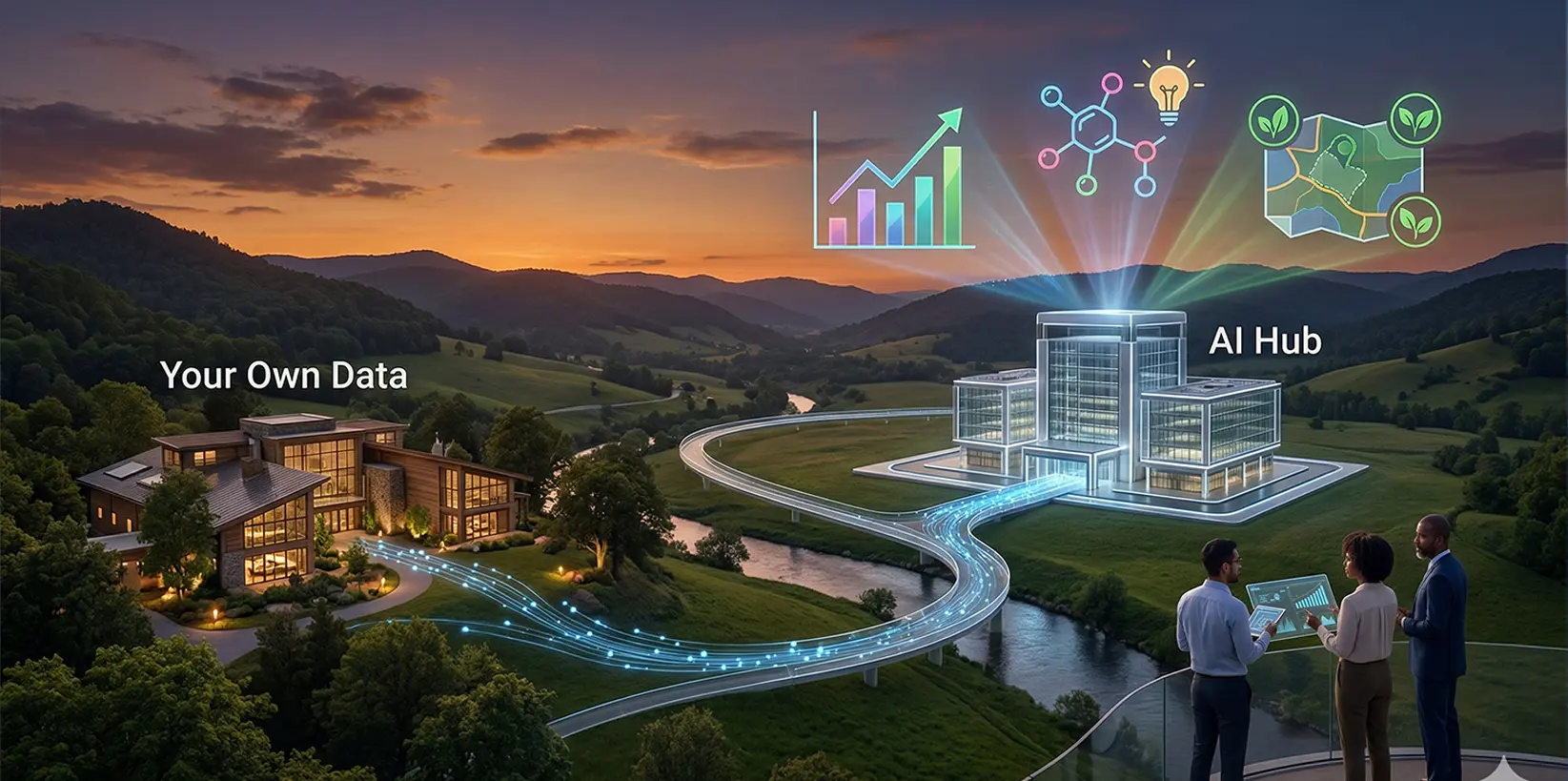
Instead of struggling through a dense, 40-page English PDF, the student uploads the document into a shared AI workspace. Instantly, the academic wall vanishes. The student can now engage in a deep, highly technical Socratic dialogue with the document in fluent Hindi.
- Interactive Learning: The student asks, “इस पेपर में दिए गए क्वांटम एल्गोरिदम का मुख्य उद्देश्य क्या है?” (What is the main objective of the quantum algorithm in this paper?)
- Culturally Relevant Analogies: The system responds accurately, breaking down MIT-level concepts using localized analogies that the student can easily grasp, without ever compromising the complexity of the original science.
Conclusion & Webmap Analysis
Brilliance is evenly distributed across the globe, but access to knowledge is not. By breaking down the language barrier, we are not just helping students pass exams; we are unlocking the potential of millions of future scientists, researchers, and innovators who were previously marginalized by an English-first system.
Webmap Analysis: At Webmap, our strategic analysis of localized learning environments reveals that forcing students to process complex new concepts in a secondary language severely limits their cognitive capacity. When institutions integrate Context-Aware Multilingual Agents into their knowledge bases, we observe a dramatic drop in cognitive overload and a massive spike in critical thinking. Our data shows that when students can debate, question, and analyze high-level global research in their native tongue, their engagement levels rival those of native English speakers. The future of EdTech is borderless, and true democratization means making global knowledge locally accessible.