Information Is Easy. Structuring It Is Hard: The Real Challenge in AI Learning

We are living in a time where information is no longer a problem. With tools like ChatGPT, Claude, and Gemini, students can access explanations, summaries, and answers within seconds. Whether it’s a complex concept or a simple question, AI makes knowledge instantly available. But even with all this access, many students still feel confused, overwhelmed, and unsure about what they’ve learned. This reveals a deeper issue: getting information is easy, but structuring it is hard.
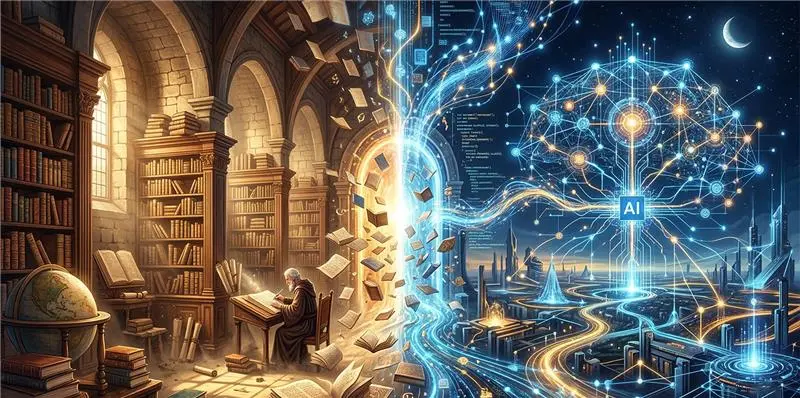
In traditional learning, structure was built into the system. Textbooks followed a sequence, teachers explained topics step by step, and lessons were designed to connect ideas over time. Students may not have had instant answers, but they had a clear path to understanding. Today, AI gives answers instantly, but it does not always provide that structured journey. Students often receive pieces of information without knowing how they fit together. It’s like having all the ingredients for a recipe but no instructions on how to cook the dish. Without structure, the final result is unclear.
This is where many students struggle. They use AI to gather information quickly, summaries, notes, explanations but these remain as disconnected pieces. There is no clear flow, no hierarchy, and no relationship between ideas. Over time, this creates mental overload. Students feel like they have learned a lot, but when they try to apply or recall that knowledge, it feels incomplete. The problem is not the lack of information it is the lack of organization.
To understand this better, imagine your phone’s gallery filled with thousands of photos, but none of them are organized into albums. You have all the memories, but finding a specific one becomes difficult. Now compare that to a gallery where photos are sorted by date, event, or category. The content is the same, but the experience is completely different. Learning works in the same way. Structured knowledge is easier to understand, remember, and use.
Another challenge comes from using multiple AI tools. Students often switch between platforms like ChatGPT, Claude, and Gemini to get different perspectives. While this adds value, it also increases fragmentation. Each tool provides its own response without awareness of the others. Students are left to manually connect the dots. This takes effort and often leads to confusion. Instead of building understanding, they end up managing information.
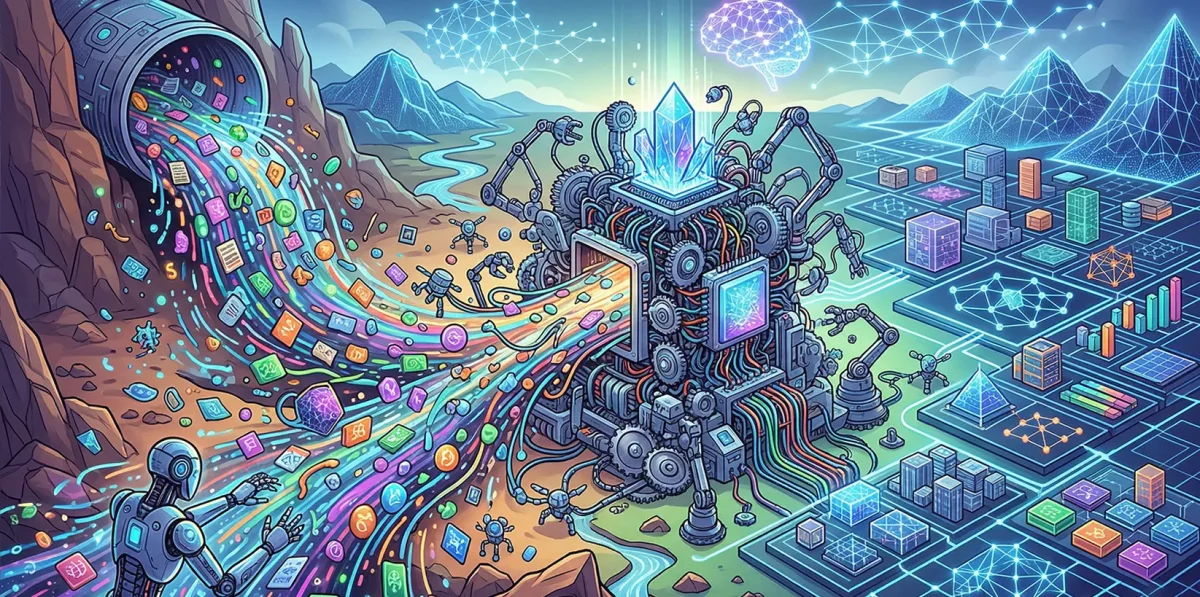
The real need in AI learning today is not more answers, but better structure. Students need systems that can organize information into meaningful formats, summaries, step-by-step flows, connected ideas, and clear relationships between concepts. Structure transforms raw information into usable knowledge. It helps students see the bigger picture, understand how topics relate, and build long-term memory.
This is where platforms like Webmap introduce a critical shift. Instead of treating AI as a collection of separate tools, Webmap creates a unified environment where learning happens in a continuous context. With the idea of “One context, many models,” students can interact with multiple AI systems without losing their flow. More importantly, the outputs are not just answers they are structured into organized formats that make learning easier to follow and apply.
In such a system, students move from collecting information to building knowledge. They can:
- organize insights into clear summaries
- follow logical steps to understand processes
- connect ideas across different topics
- revisit and refine their learning over time
This structured approach reduces confusion and improves clarity. Students no longer feel overwhelmed by too much information because everything is organized in a way that makes sense. AI becomes a tool for understanding, not just answering.
Looking ahead, the biggest challenge in education will not be access to information, it will be the ability to structure it effectively. As AI continues to generate more content, students who can organize and connect that content will have a clear advantage. They will learn faster, think better, and apply knowledge more effectively.
In conclusion, the problem in modern learning is not information overload, but structure deficiency. Students already have access to powerful AI tools, but without a system to organize knowledge, their learning remains incomplete. Platforms like Webmap show how this challenge can be solved by turning scattered information into structured understanding. Because in the end, learning is not about how much you know… it’s about how well you organize what you know.