Harsh Goenka Predicts AI Could Erase 9 Job Roles by 2033… A Wake-Up Call for the Workforce

Introduction
Indian industrialist Harsh Goenka recently sparked widespread discussion by warning that rapid advancements in Artificial Intelligence could make up to nine job roles obsolete by 2033. His prediction reflects growing concerns about how AI-driven automation is reshaping workplaces across industries.
At WebMap Network, we observed that such statements are not simply about job loss… they highlight a broader transformation in how work is structured, valued, and executed.
The Context Behind the Prediction
AI systems are increasingly capable of handling tasks that were once considered uniquely human. From data processing and customer interaction to basic analysis and content generation, AI adoption is accelerating across sectors.
Goenka’s forecast suggests that certain repetitive and process-driven roles may face significant disruption as AI tools become more autonomous and operationally integrated.
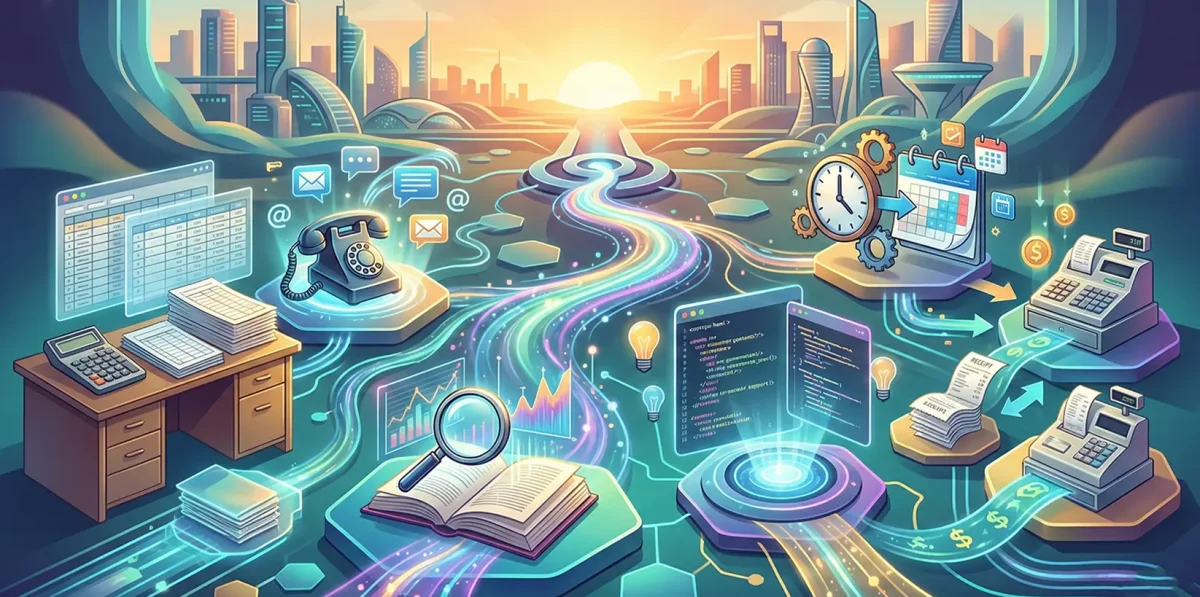
While the exact list of affected roles continues to be debated, discussions often center around:
- Data entry operators
- Basic accounting clerks
- Telemarketing executives
- Routine customer support roles
- Basic content generation tasks
- Entry-level research analysts
- Scheduling coordinators
- Simple coding support roles
- Transaction processing staff
These roles typically involve structured, repeatable workflows… areas where AI systems excel.
AI and the Evolution of Work
At WebMap Network, we observed that AI transformation does not necessarily eliminate work entirely. Instead, it shifts the nature of work.
Historically, technological revolutions have automated specific tasks while creating new categories of employment. Similarly, AI may reduce demand for certain routine roles while increasing demand for:
- AI system supervisors
- Workflow automation specialists
- Data governance experts
- Human-AI collaboration managers
- Strategic decision analysts
The key transition is from execution-focused work to oversight, creativity, and strategic thinking.
Why This Prediction Matters Now
The timeline mentioned… 2033… places urgency on workforce reskilling and organizational readiness. Businesses are already integrating AI into operations, meaning the transition is gradual but steady.
Educational institutions, enterprises, and policymakers may need to accelerate AI literacy programs to prepare the workforce for evolving job requirements.
Enterprise and Economic Implications
Organizations adopting AI often report improved efficiency, faster turnaround times, and cost optimization. However, workforce restructuring requires responsible planning.
We observed that companies investing simultaneously in AI deployment and employee upskilling are better positioned for sustainable growth.
Ignoring workforce adaptation may widen skill gaps and increase employment instability.
A Balanced Perspective
While predictions about job displacement often generate concern, it is important to approach them analytically. AI systems still require governance, ethical oversight, contextual judgment, and strategic direction.
The conversation should focus not only on which jobs may disappear… but also on which new roles will emerge.
Future Outlook
By 2033, AI will likely be deeply embedded in enterprise infrastructure. The real question is not whether jobs will change… but how quickly professionals adapt to the new digital environment.
At WebMap Network, we believe the coming decade will reward continuous learning, technological adaptability, and human skills that complement intelligent systems.
AI may redefine roles… but preparedness will determine outcomes.