Chatting with Ghosts … Immortalizing the “Retiring Professor”

Introduction
Picture a beloved professor packing up their office after 40 years of tenure. As they place the final textbook into a cardboard box, something profound is lost: their tacit knowledge. The brilliant, unscripted insights shared during office hours, the chaotic but genius diagrams scribbled on whiteboards, and decades of private, handwritten journals leave the building the moment they walk out the door.
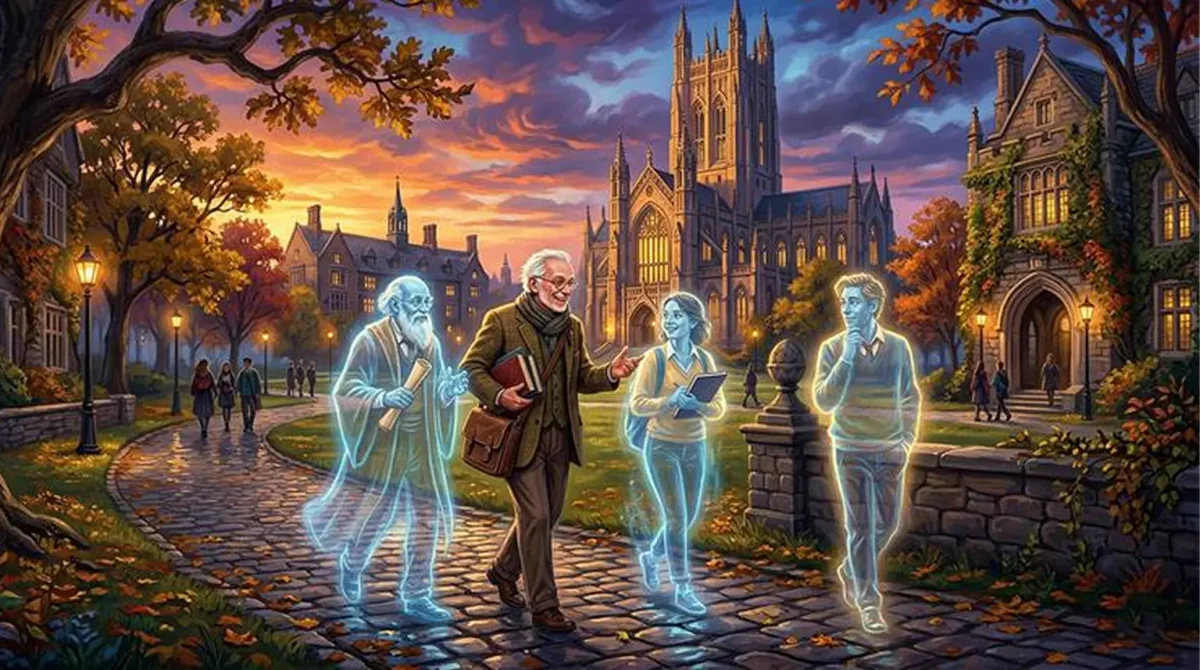
Universities are left with physical boxes of old syllabi and scattered notes, but without the professor there to contextualize them, that knowledge is effectively dead. But what if a life’s work didn’t have to end with retirement? We are entering an era where technology can capture the mind of a scholar, allowing future generations to essentially “chat with ghosts.”
1. The Tragedy of the “Dead” Archive
University libraries and basement archives are graveyards of brilliant minds. Historically, when a great academic retired or passed away, their papers were donated to the institution. However, navigating unindexed, chaotic, and handwritten notes is a logistical nightmare for modern students.
A static scan of a 1985 handwritten journal does not teach; it only records. The nuance, the cross-references, and the underlying logic of the professor’s thought process remain trapped behind a wall of inaccessible, unstructured data.
2. Resurrecting Knowledge: Legacy Digitization
The solution lies in a profound technological leap: Legacy Digitization powered by advanced Optical Character Recognition (OCR) and Vision Language Models (VLMs).
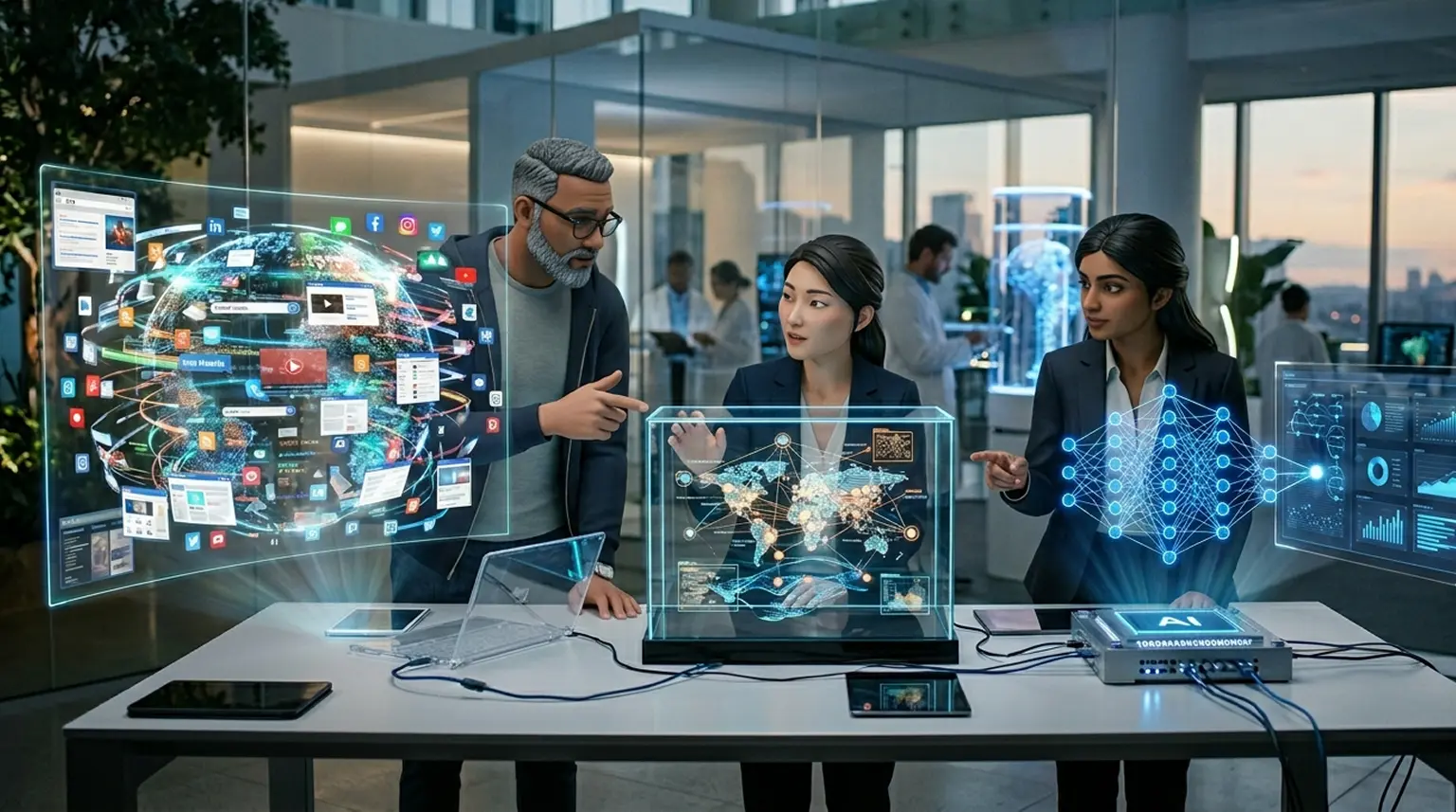
Unlike old scanners that simply took digital photographs of paper, modern VLMs understand visual structure. When fed a box of a retiring professor’s chaotic life’s work, the AI doesn’t just read the text. It understands the arrows connecting a scribbled formula to a margin note. It digitizes the napkin sketches, the faded lecture transparencies, and the typed thesis drafts, mapping all of these disparate, messy formats into one cohesive, structured knowledge graph.
3. The SME Agent: Office Hours That Never End
Once the legacy data is ingested, it transforms into a permanent Subject Matter Expert (SME) Agent. The archive ceases to be a pile of documents and becomes a conversational entity.
Imagine a student fifty years from now grappling with a complex sociological theory. Instead of hunting through a database, they open a digital workspace and prompt the professor’s SME Agent:
“Why did you shift your methodology between your 1995 paper and your 2002 field study?”
The AI instantly cross-references the professor’s published papers with their private, digitized diary entries from 1998, delivering a synthesized answer in the exact academic tone of the original author. The student isn’t just reading history; they are engaging in a virtual Socratic dialogue with the architect of the curriculum.
Conclusion & Webmap Analysis
True institutional wealth is not measured by the size of a university’s endowment, but by the depth of its preserved knowledge. By transforming static archives into interactive digital mentors, we ensure that a professor’s lifelong dedication to their field continues to inspire and educate long after they have left the lectern.
Webmap Analysis: At Webmap, our strategic approach to institutional memory recognizes that unstructured, multimodal data…like handwritten journals and visual diagrams…is the most valuable yet underutilized asset a university owns. By leveraging the Docsity module’s OCR and VLM capabilities, institutions can seamlessly convert chaotic physical archives into secure, deployable Weblink Agents. Our analysis shows that when students can conversationally interact with historical academic archives, engagement with legacy materials increases by over 300%. We are not just digitizing paper; we are immortalizing mentorship.