AI Changing Job Roles… Not Just Automating Work

Introduction
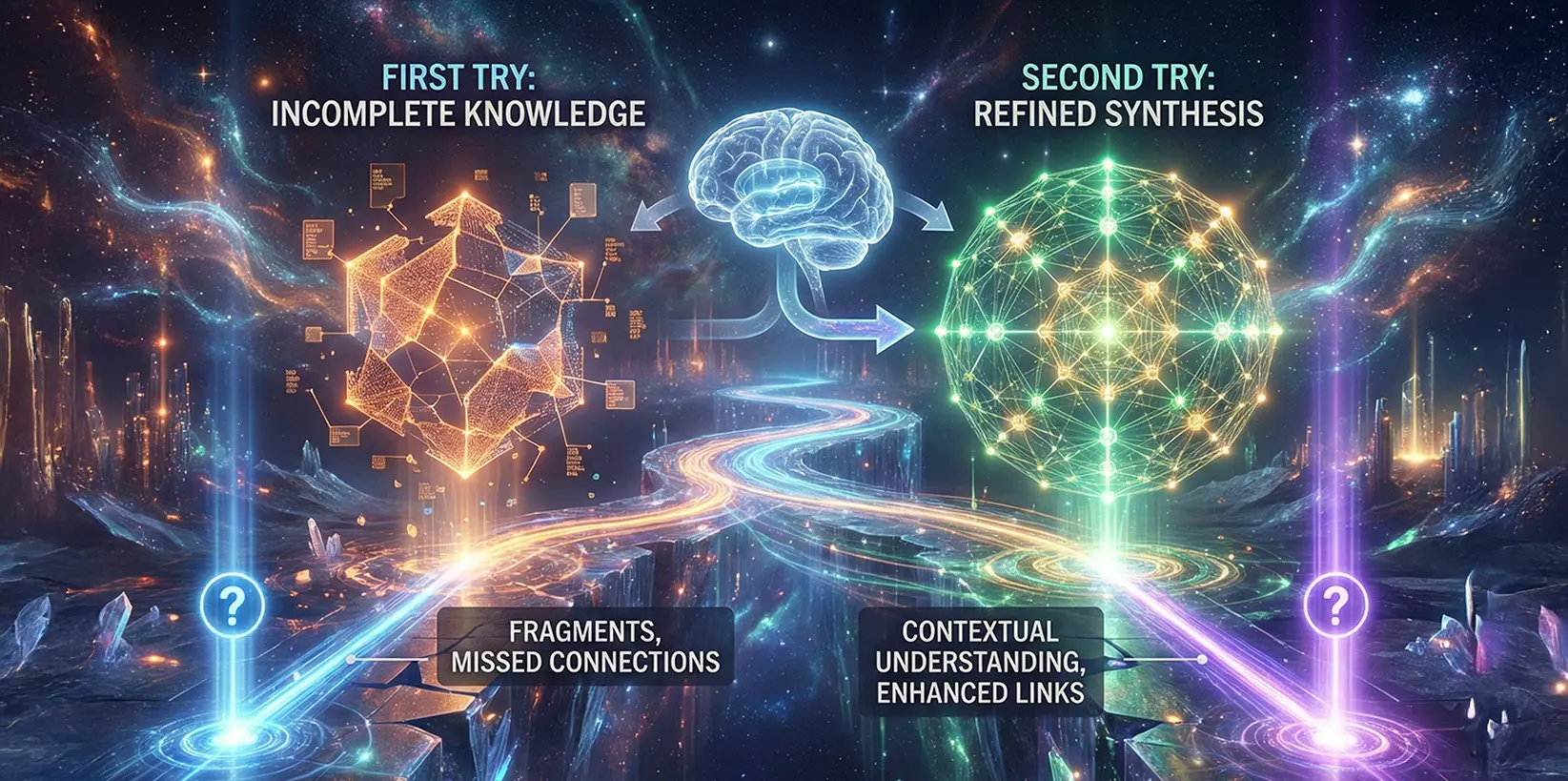
Artificial Intelligence is increasingly being linked to workforce restructuring across industries. Many organizations now cite AI transformation as a contributing factor behind operational changes and layoffs. However, at WebMap Network, we observed that the deeper reality is not simple job replacement… but job evolution.
AI is redefining how work is performed, shifting human responsibilities toward higher-value tasks while creating entirely new categories of employment.
AI Transformation Is Reshaping Workflows
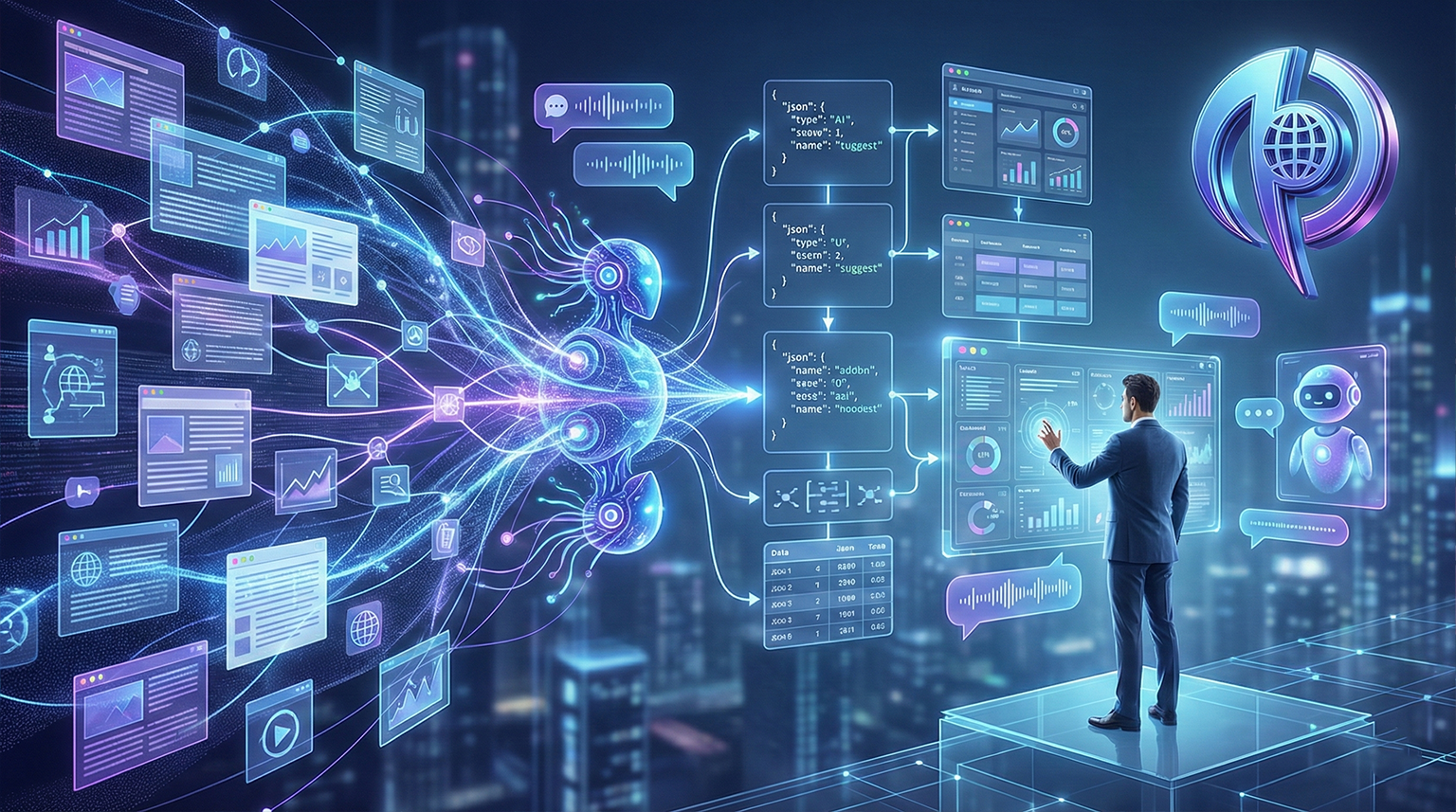
Companies adopting AI systems are automating repetitive and data-heavy processes such as documentation analysis, customer service triaging, coding assistance, and workflow optimization. This transformation reduces manual workload but simultaneously increases demand for human oversight and strategic decision-making.
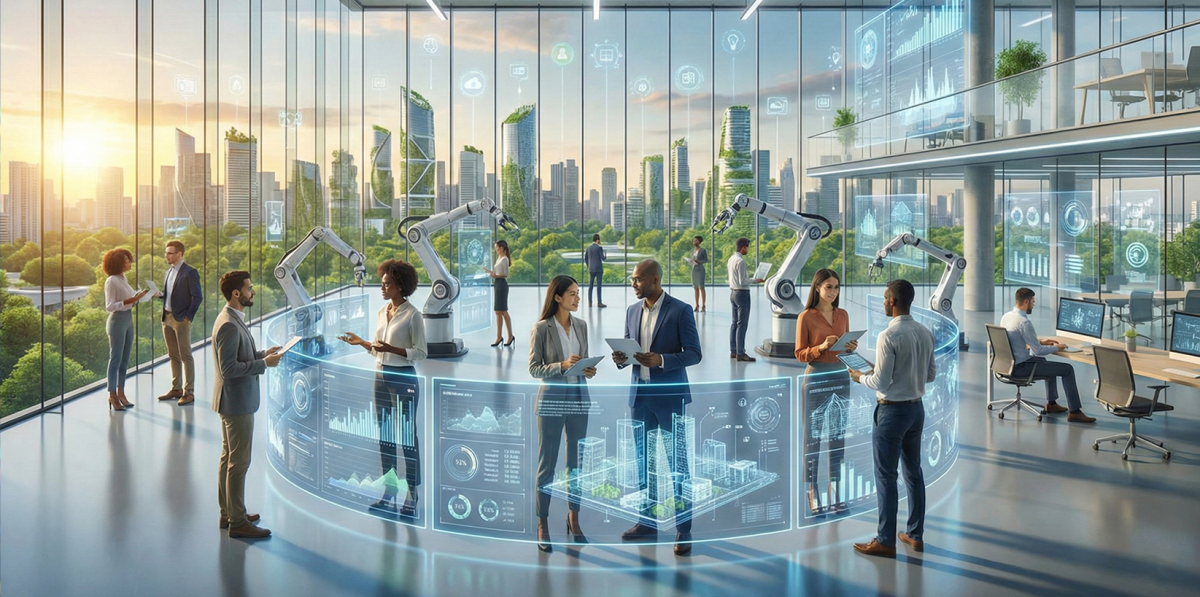
Rather than eliminating roles completely, organizations are redesigning them. Employees are increasingly expected to collaborate with AI tools instead of competing against them.
Rise of Hybrid Human + AI Roles
We are witnessing the emergence of hybrid job roles that did not exist a few years ago, including:
- AI workflow supervisors
- Prompt engineers
- AI ethics specialists
- Automation strategists
- Human-AI interaction designers
These roles combine technical understanding with domain expertise, showing that AI adoption expands skill requirements rather than shrinking opportunity entirely.
Skills Becoming the New Currency
At WebMap Network, we observed a clear shift toward skill-based hiring. Companies now prioritize adaptability, analytical thinking, and AI literacy over traditional job definitions.
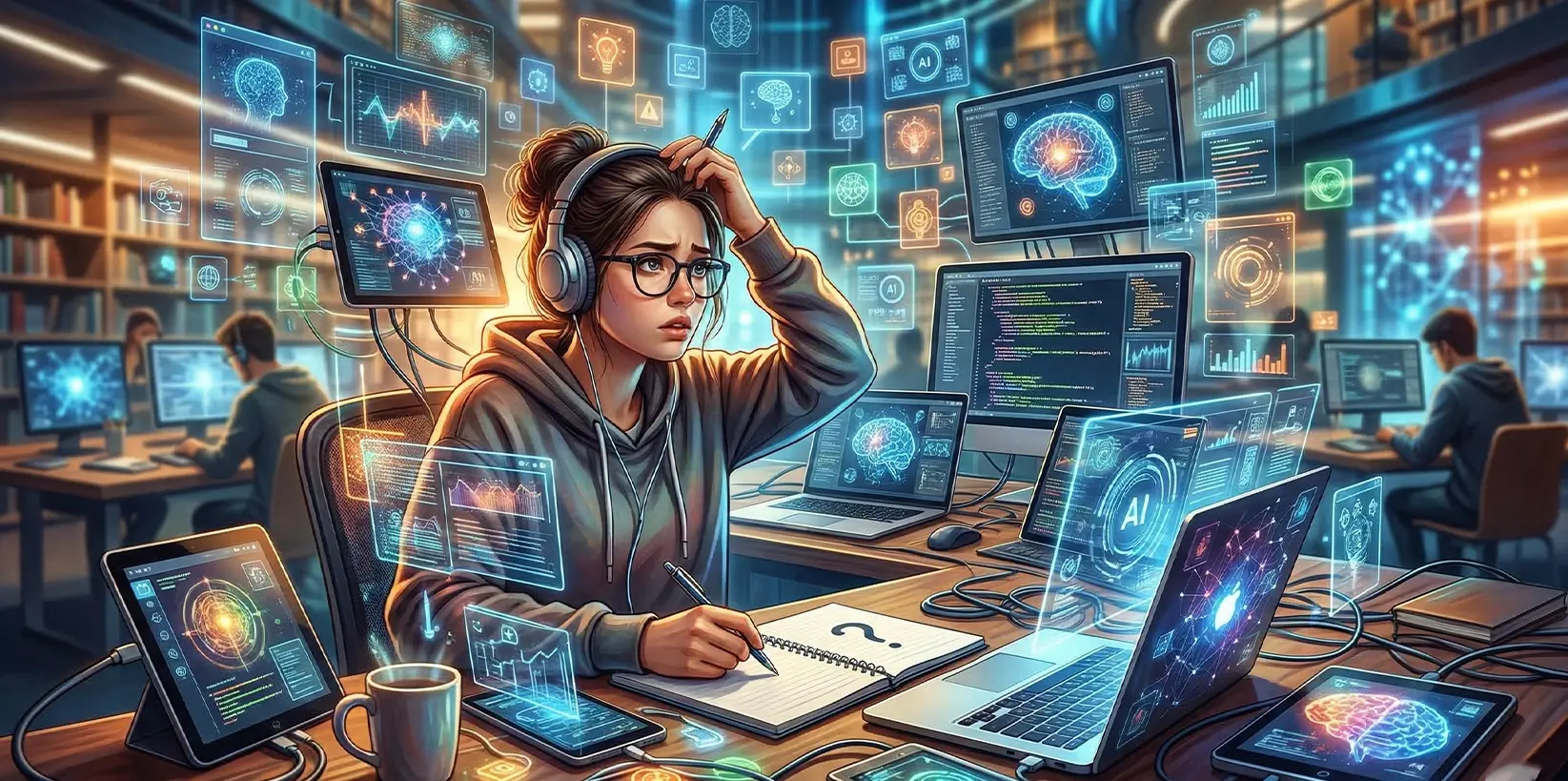
Professionals who learn to use AI tools effectively are becoming productivity multipliers within organizations. This trend is encouraging continuous reskilling programs across industries.
Economic and Organizational Impact
Businesses adopting AI report improvements in efficiency, decision speed, and innovation cycles. However, transitions can temporarily create workforce uncertainty as companies reorganize structures.
Long term, AI adoption appears to drive job transformation rather than permanent workforce reduction, similar to previous technological revolutions.
Future Outlook
AI is likely to redefine career paths instead of eliminating them. The workforce of the future will rely on collaboration between human creativity and machine intelligence.
At WebMap Network, we believe organizations that invest equally in technology and workforce reskilling will gain the greatest advantage.