The Brain Behind Smart Cities: Embeddings & Digital Twins

Turning Urban Data into Living, Intelligent Infrastructure
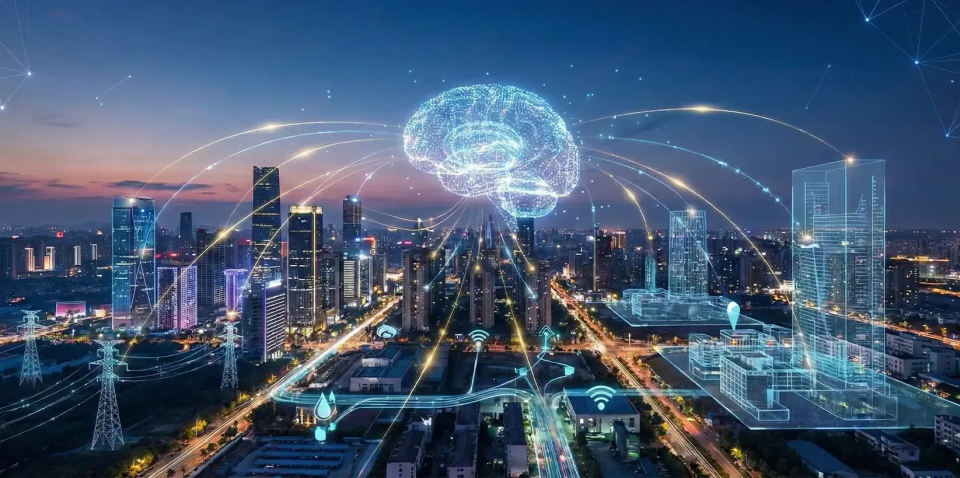
Cities are no longer just physical spaces made of roads, buildings, and utilities.
They are becoming data ecosystems constantly generating signals from traffic systems, IoT sensors, power grids, weather stations, and public services.
A Digital Twin City is the virtual replica of that ecosystem.
But for a digital twin to be intelligent, not just visual, it needs something deeper.
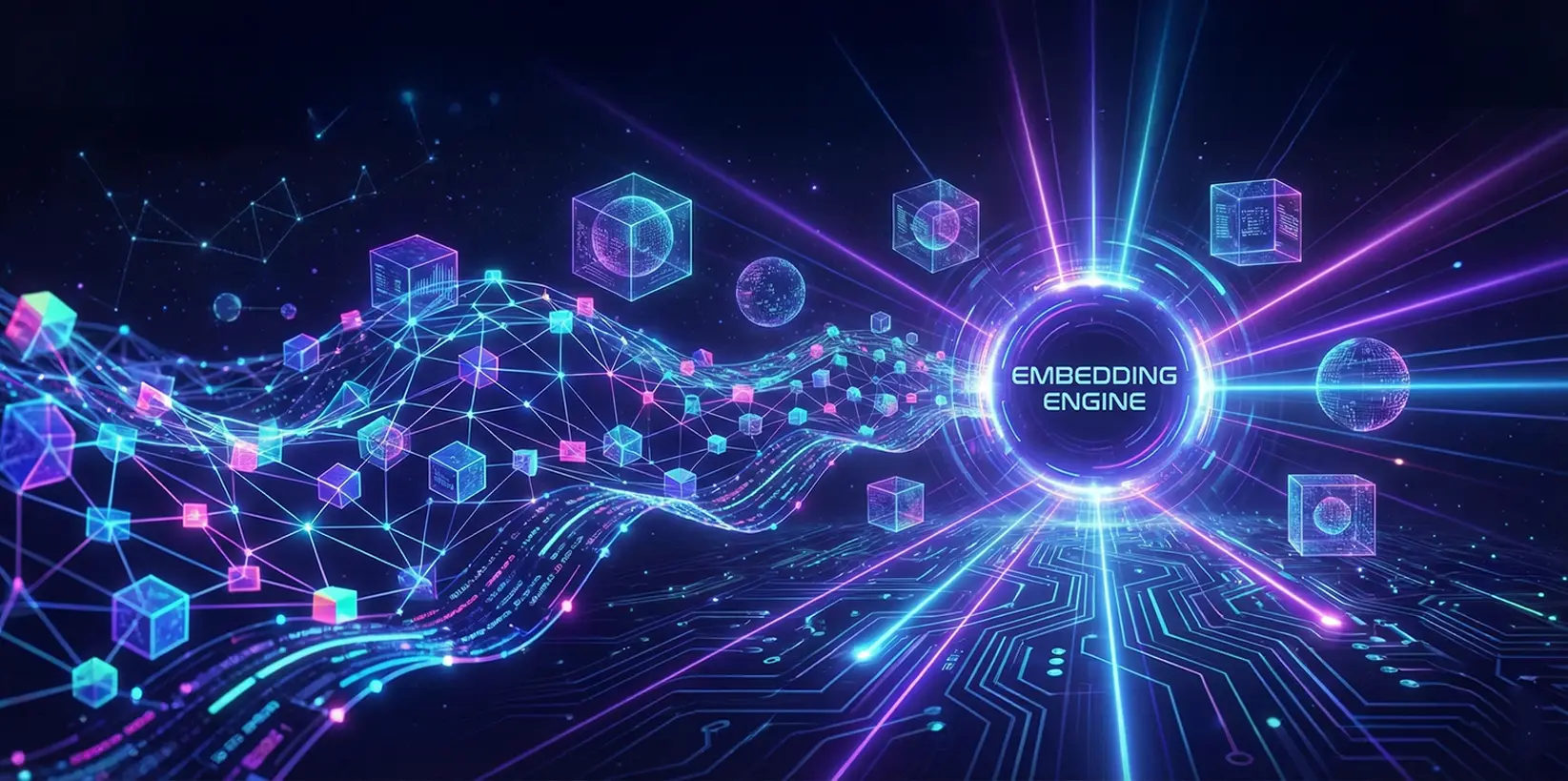
It needs embeddings.
What Is a Digital Twin City?
A Digital Twin City is a real-time digital model of a physical city.
Think of it like:
- A 3D map
- Connected to live traffic
- Linked to energy usage
- Integrated with environmental data
- Updated with citizen activity
Now imagine all of this not just being displayed but understood.
That’s where embeddings play a foundational role.
What Are Embeddings?
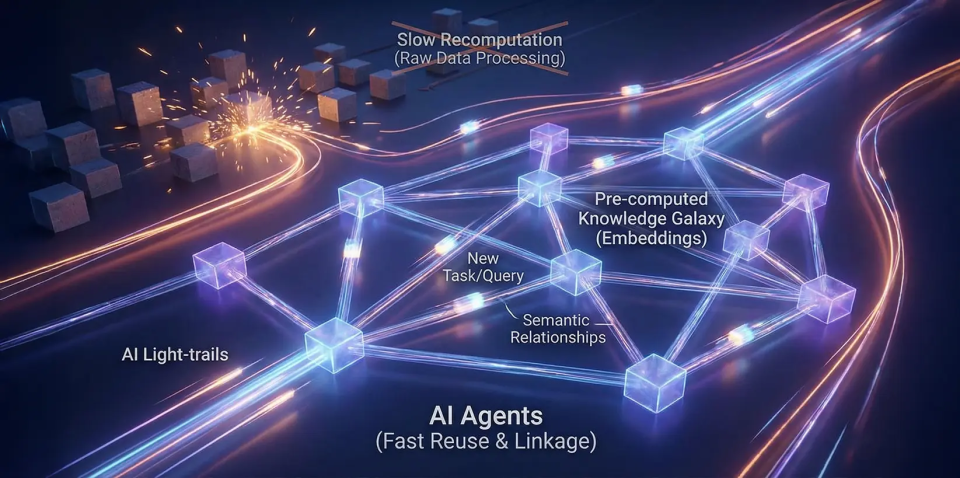
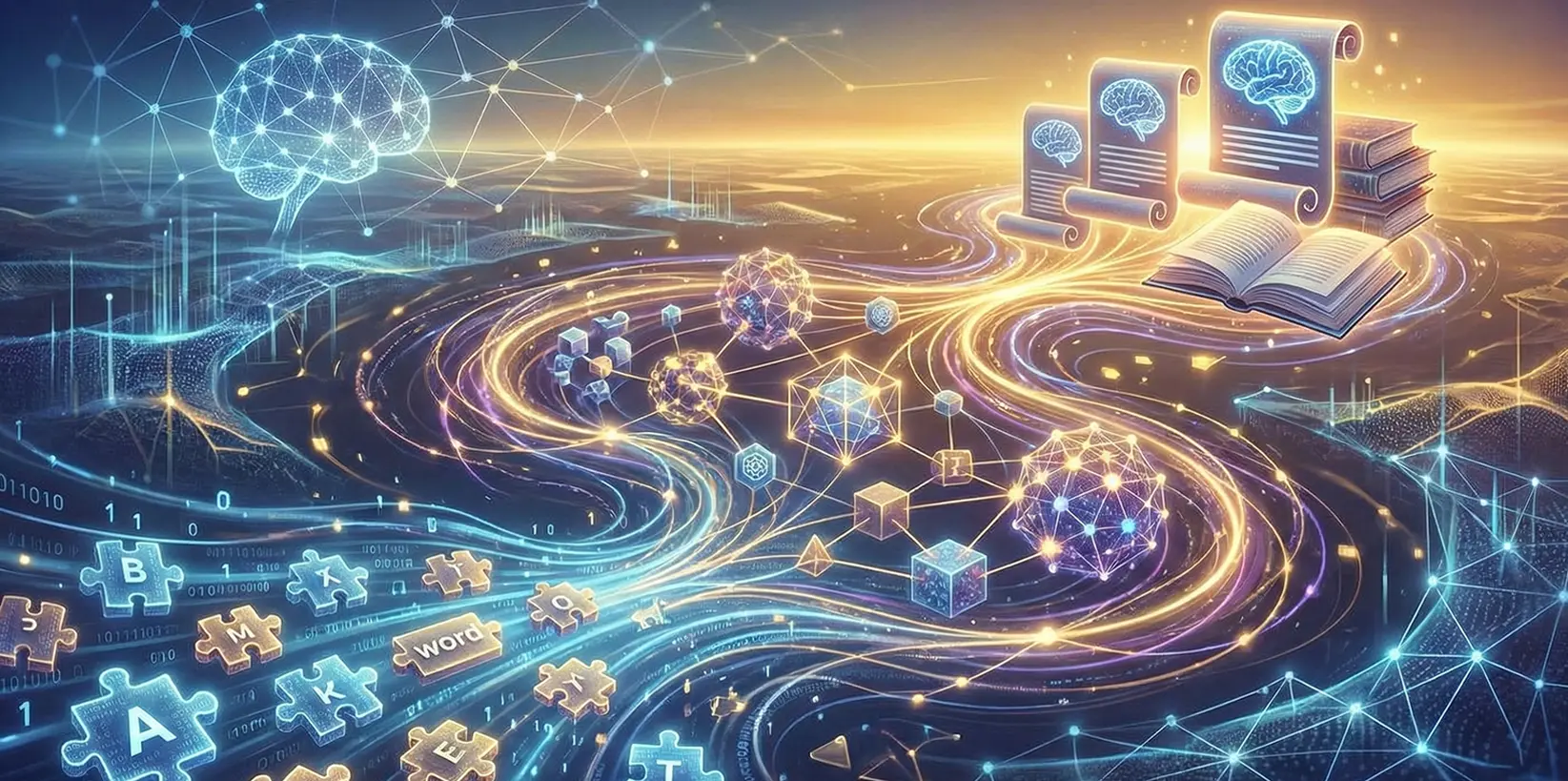
Embeddings convert complex information into structured numerical representations that AI systems can compare and understand.
Everyday Analogy: The Universal Translator
Imagine different city systems speaking different languages:
- Traffic cameras speak in images
- Weather systems speak in reports
- Sensors speak in numbers
- Citizens speak in text
Embeddings act like a universal translator converting all of them into a shared language so AI can detect relationships between them.
Why Digital Twin Cities Need Embeddings
Cities generate massive, disconnected data streams.
Without embeddings: Data stays isolated.
With embeddings: Data becomes connected intelligence.
Embeddings allow digital twins to:
- Detect relationships across systems
- Identify patterns early
- Predict disruptions
- Optimize resource allocation
- Improve city-wide decision-making
How Embeddings Power Digital Twin Intelligence
1)Traffic Optimization
Traffic congestion is rarely caused by a single factor.
It may involve:
- Weather changes
- Public events
- Road construction
- Peak-hour demand
Embeddings allow the system to understand:
Heavy rain + sports event + construction zone = congestion risk.
Instead of reacting, the city can reroute traffic proactively.
2️) Energy Grid Stability
Think of the power grid like a water tank.
If too many taps open at once, pressure drops.
Embeddings help AI analyze:
- Temperature spikes
- Industrial load
- Residential demand
- EV charging patterns
The result: Predictive load balancing and fewer outages.
3) Emergency Response
Consider a scenario:
- Social media reports smoke
- Air quality sensors detect anomalies
- Cameras show unusual crowd movement
Individually, these signals are weak.
Together, embeddings connect them into a meaningful alert.
This enables faster emergency response and improved safety coordination.
4️) Urban Planning & Infrastructure Simulation
Before building new infrastructure, cities must understand impact.
Embeddings help analyze:
- Population density
- Traffic flows
- Environmental risks
- Economic activity
It’s like simulating the future before making physical changes.
5️) Environmental Intelligence
Pollution hotspots are rarely random.
Embeddings connect:
- Construction density
- Traffic volume
- Wind patterns
- Industrial activity
This allows cities to act early instead of reacting to environmental damage.
The Core Advantage: Contextual Awareness
Without embeddings: Cities see dashboards.
With embeddings: Cities understand systems.
It’s the difference between reading isolated reports and understanding the entire urban story.
Final Thoughts
Digital Twin Cities are evolving from visualization tools into intelligent urban systems.
Embeddings transform scattered urban signals into structured, connected intelligence.
They enable cities to:
- Anticipate congestion
- Prevent grid failures
- Respond to emergencies faster
- Plan infrastructure strategically
- Monitor environmental risks proactively
If traditional city management reacts to problems after they appear, embedding-driven digital twins allow cities to understand patterns before disruption happens.
As urban environments become more complex, embeddings will form the intelligence layer that connects infrastructure, environment, mobility, and citizens into one coordinated ecosystem. To explore how embedding architectures power real-world AI systems and scalable intelligence workflows, visit Webmap Network or continue the discussion with us at connect@webmap.network.