The First AI That Shows You Exactly Where Its Answers Come From


Transparency + accountability, finally easy.
Most people won’t admit it but there’s always a tiny doubt when an AI gives an answer.
“Where did this come from?”
“Is this true?”
“Did it just make that up?”
We’ve all been there.
And for years, AI tools have done one thing very consistently:
Hide their homework.
They’d give you a paragraph, a summary, a confident explanation…
but never the path that led to the answer.
And in a world where one wrong number, one wrong policy, or one wrong claim can cost a team real money
Invisible reasoning isn’t just annoying.
It’s dangerous.
That’s exactly where everything changes.
AI Has Always Asked You to Trust It.
SearchIt Lets You ‘Verify’ It.
SearchIt does something no traditional AI system has bothered to do:
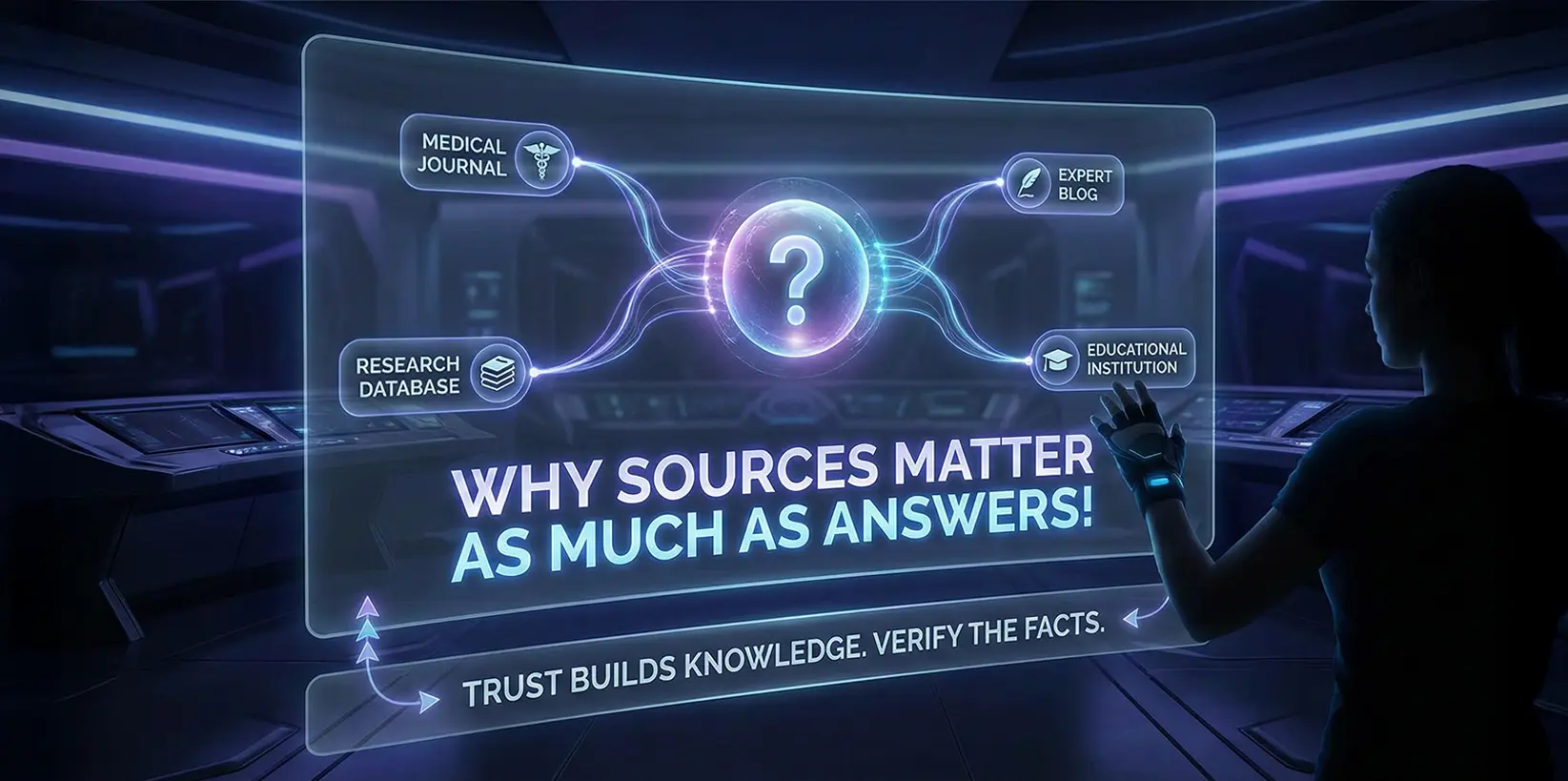
It shows you the source behind every insight right beside the answer.
Not concealed.
Not optional.
Not buried three clicks deep.
Visible. Clean. Traceable.
It doesn’t require blind faith.
It ‘earns’ it one source at a time.
Imagine Asking a Question… and Immediately Seeing the Trail Behind the Answer
You type a query.
SearchIt answers.
And right next to the explanation, you see:
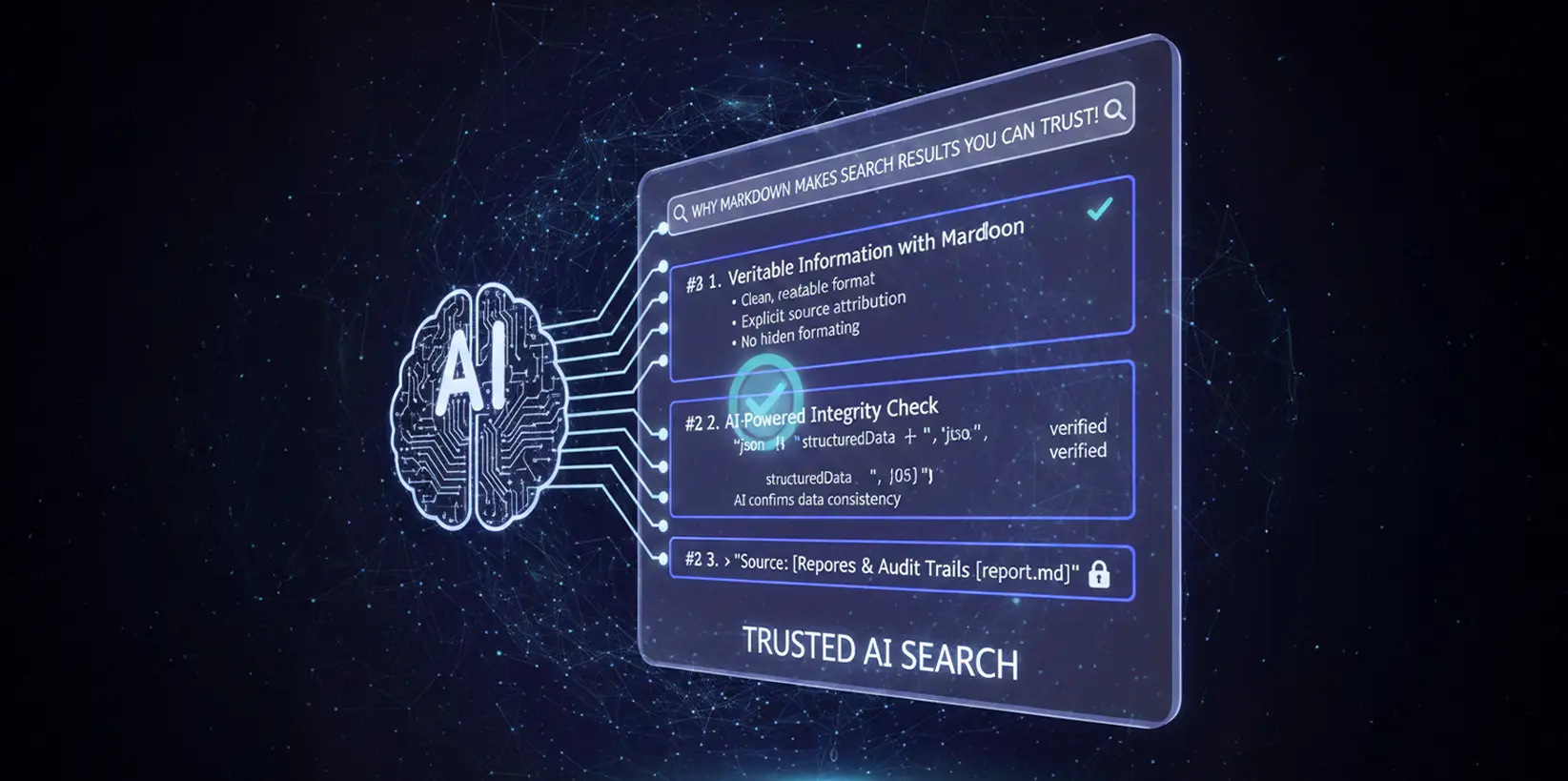
- the document it pulled from
- the exact fragment it read
- the link or file the insight came from
- the structured path leading to the final answer
No mystery.
No “trust me bro” AI.
No hallucinated facts floating out of nowhere.
It’s like that one colleague who’s smart
but always shows his notes.
Why Transparency Matters More Than Ever
Whether you’re a researcher, strategist, analyst, founder, lawyer, or product manager —
You’re not only interested in the answer.|
You care about whether you can stand behind it.
SearchIt understands that.
So it treats every answer like something that should hold up:
- In a meeting
- In a report
- In front of a client
And here’s the part most people miss:
You think better when you can see the source.
When AI shows its reasoning, trust becomes natural.
When insights are traceable, decisions get stronger.
SearchIt wasn’t built to be “just another AI tool.”
It was designed to be responsible.
Other AI Systems Conceal the Steps.
SearchIt Tells the Story.
Traditional AI:
You ask → You get a paragraph → Good luck figuring out where it came from.
SearchIt:
You ask → It answers → It reveals the exact path it took to reach that answer.
It’s honesty by design.
You’re not left wondering:
“Is this right?”
“Is this the correct interpretation?”
“What if something is missing?”
You see everything.
Nothing feels fabricated.
Nothing is fuzzy.
The source mapping becomes a built-in truth filter.
The Power of Being Able to Check the AI’s Homework
There’s something refreshing about it.
You’re not fighting the system.
You’re working with it.
If you’re preparing a research report, briefing your team, validating market claims, or reviewing documentation
SearchIt doesn’t just give you answers.
It gives you evidence.
And in a world flooded with noise,
That’s a competitive advantage.
Why This Changes How We Use AI Forever
For the first time, you have an AI tool that isn’t trying to be mysterious or magical.
It’s practical.
It’s grounded.
Crystal clear.
It’s willing to show its work.
Because the future of AI isn’t about “being smart.”
It’s about being responsible.
And accountability starts with clarity.
Conclusion
SearchIt is the first AI that doesn’t treat transparency as an optional feature —
it bakes it into the core experience.
You get the answer.
You catch the source.
You get the drift.
You get the proof.
No illusions.
No shortcuts.
No hidden logic.
In a world overloaded with information and misinformation, SearchIt becomes something rare:
An AI you won’t have to second-guess
because it never hides where its answers come from.