Drop a Domain, Get the Whole Site Indexed, and Ready for Action

The Feature Researchers Wish Existed Decades Earlier
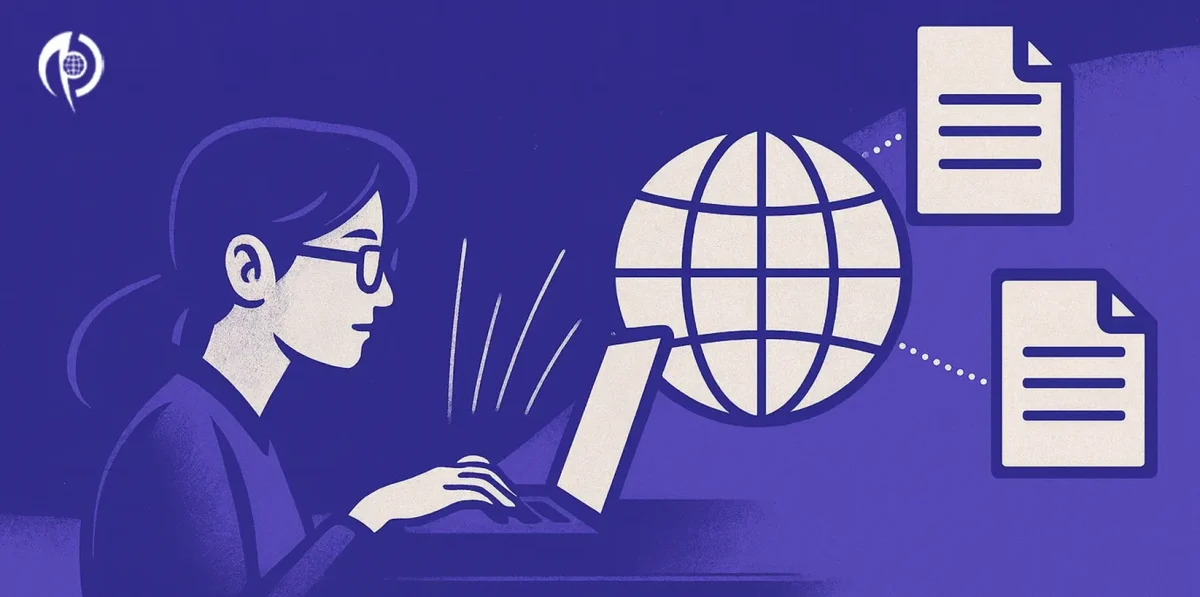
The research team sat around a table on a Tuesday morning, staring at a familiar problem. They needed to study a competitor’s website, its pages, structure, content, insights, and buried information but the process was painfully slow. One analyst opened the homepage. Another clicked through subpages. A third exported URLs from a sitemap. Someone else waited for an SEO tool to load. Everyone worked, but nobody moved fast.
It’s not the team’s fault, it’s the workflow.
Searching a website still feels like rummaging through a library with no map. You do a manual search, page after page, never knowing if you might be missing something important. Hours are wasted copying content, manually building outlines, finding hidden pages, understanding structure, and stitching everything together.
Until Webmap comes into play.
The problem nobody is talking about: how websites are not built for researchers.
On the surface, a website looks simple: a few pages, some menus, some buttons. But behind the scenes, it is a maze of links, nested routes, hidden resources, outdated pages, dynamic content, and buried details no traditional tool ever captures cleanly.
Teams looking for insights run into the same issues every time. They skim the homepage, then the About page, then the Product page, then forget what they saw 10 minutes ago. Someone accidentally opens the same section twice. Another misses an entire subsection buried behind a modal. Eventually, the team gathers 20 scattered screenshots and still doesn’t know the full picture.
It feels inefficient because it is inefficient.
While the web keeps on growing more pages, more complexity, and more chaos.
Traditional tools crawl, but they don’t understand. They index, but they don’t explain. They list URLs, but they don’t build knowledge.
So teams still assemble websites manually, like building a puzzle without knowing what the final image is.
Enter Webmap Scan: Where the Domain Becomes a Whole and Comprehensible Map
Now imagine the same team, one week later. This time, the researcher doesn’t open multiple tabs. He doesn’t dig through sitemaps. He doesn’t start copying content page-by-page.
He just drops the domain into Webmap.
And the entire website unravels itself automatically indexed, mapped, structured, and Pages that were invisible show up. Routes that were buried on the surface. Content that once required hours of clicking gets extracted and summarized. What used to be an all-day task turns into a 30-second reveal.
Webmap doesn’t just crawl a site it understands it.
It recognizes structure, hierarchy, patterns, content themes, relationships, and purpose. It integrates every page into one cohesive view. A website that was once akin to a nightmare maze is now like a book: it’s readable, searchable, ready to use.
Why This Feels Like Magic: The System Thinks Like a Researcher
Scanning is part of the story. The real breakthrough is how Webmap comes up with insights. Instead of dumping raw pages, it reconstructs the website architecture into human-like explanations. It shows what the site is about, how the pages connect, what the key sections contain, and what matters most. It becomes narrative, not noise.
Researchers finally see:
- Here is what this site is trying to say.
- Here is how it guides users.
- Here’s what the brand prioritizes.
- Here’s what is hidden that most people miss.
It feels less like crawling a site and more like reading a report that someone already wrote for you.
The Result: Instant Clarity, Zero Manual Work
In minutes, teams gain full visibility: no more guessing what’s inside a website. No more 50-tab chaos. No more piecing pages together from memory. No more missing sections because they have been buried. No more losing hours to a process that never deserved them.
Research becomes organized. Strategy becomes quicker. Insights get clearer. Teams went from browsing websites to comprehending them. Because when Webmap handles the mapping, people can finally focus on decisions not navigation.
Conclusion: The Internet Finally Becomes Readable
The web, for years, has been designed for the user, not for the researcher. Webmap Scan changes that utterly. It turns any domain into a fully mapped, fully indexed removing the single biggest blocker in competitive research, UX audits, SEO analysis, product discovery, and digital intelligence.
Drop a domain, and Webmap gives you the whole site, not as scattered pages but as structured knowledge. The internet stops feeling like a maze. It finally feels like information.