Why Learning Platforms Are Becoming AI-Native Systems


Introduction
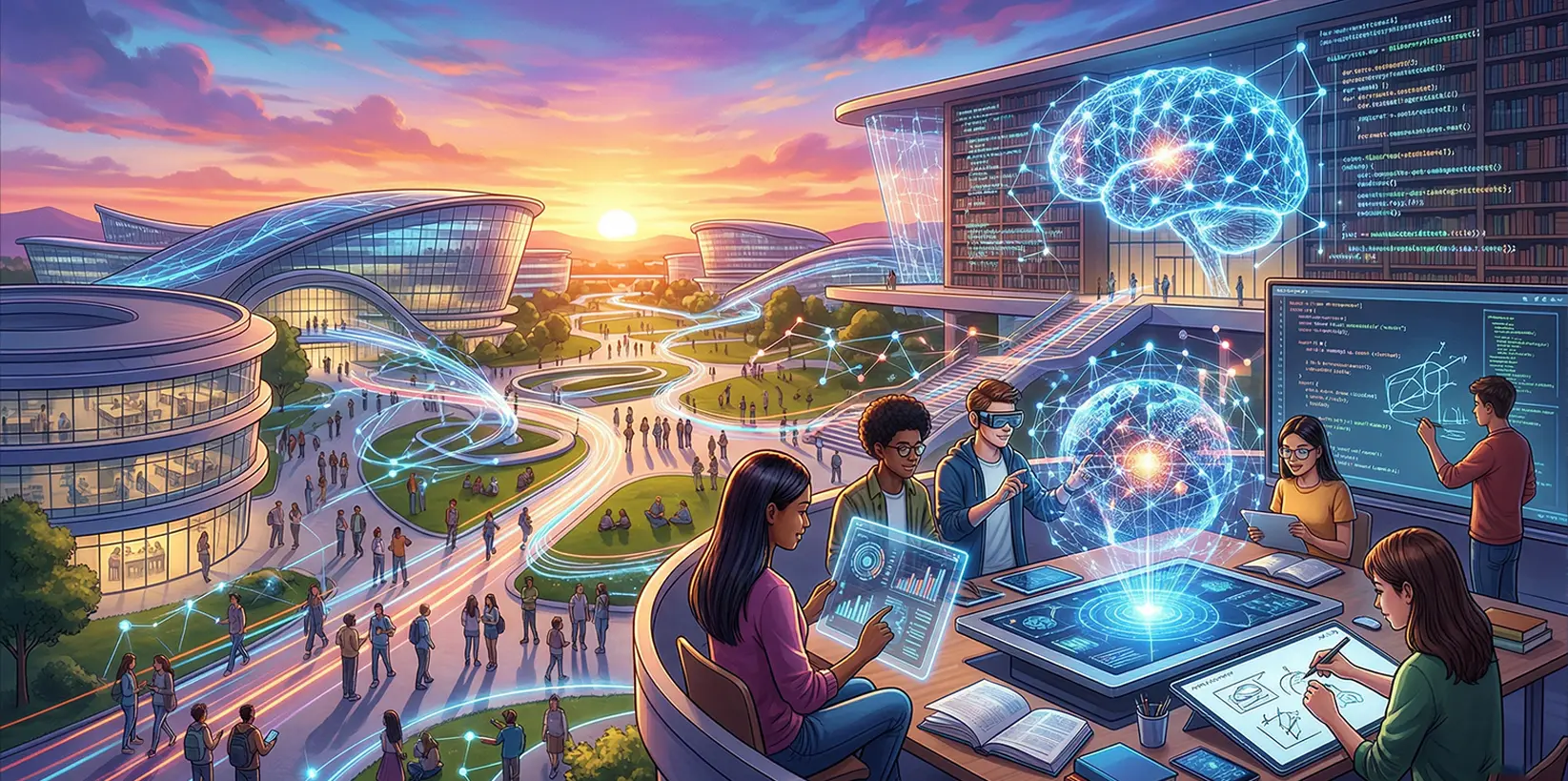
Learning has always been built around content. Textbooks, PDFs, videos, and notes form the foundation of how we study and understand information. But as the volume of content has increased, the way we learn from it hasn’t evolved at the same pace. Students and professionals still spend hours reading, searching, and trying to connect ideas manually. This gap is pushing a major shift. Learning platforms are no longer just content libraries, they are becoming AI-native systems designed to help users understand faster, not just access more.
1. The Limitations of Traditional Learning Platforms
Most learning platforms today focus on providing content. They organize materials, offer courses, and make information accessible.
But access is no longer the problem.
Understanding is.
Users still need to:
- Go through large amounts of material
- Search for specific answers
- Re-read sections to grasp concepts
This makes learning time-consuming and often overwhelming. The platform delivers information, but the effort of understanding still lies entirely with the user.
2. Why AI Is Changing the Learning Experience
AI introduces a new layer to learning interaction. Instead of passively consuming content, users can actively engage with it. They can ask questions, get explanations, and explore topics in a more direct way. This transforms learning from a one-way process into a two-way interaction. The focus shifts from how much you read to how well you understand.
3. What Makes a Platform “AI-Native”
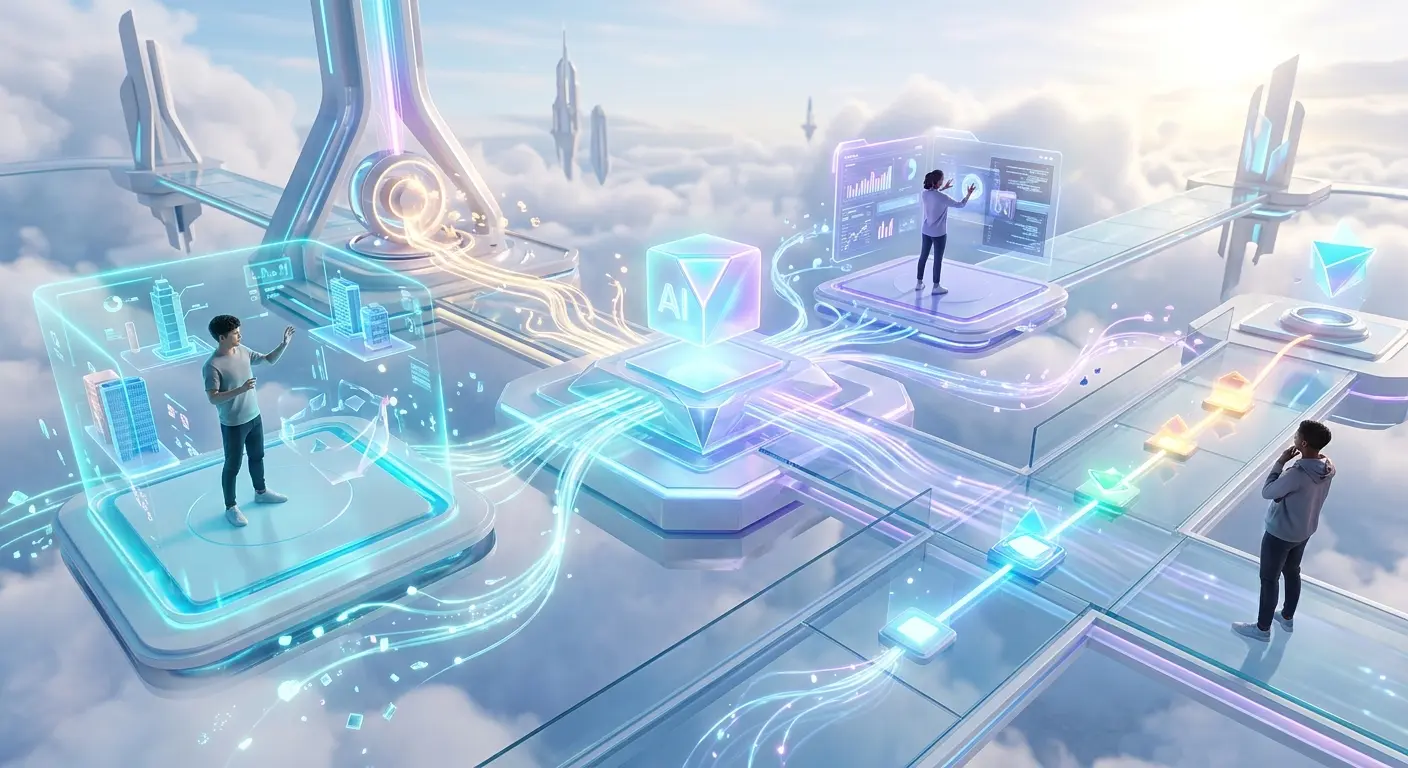
An AI-native learning platform is not just a platform with AI features added on top. It is built around AI at its core.
This means:
- Content is interactive, not static
- Answers are generated based on context
- Users can navigate information through questions, not just scrolling
AI becomes the interface through which users learn, explore, and understand.
4. The Problem with Add-On AI Tools
Many platforms try to integrate AI as an additional feature. But this often leads to fragmented workflows. Users still need to switch between tools, copy content, and provide context manually. The experience remains disconnected. Instead of simplifying learning, it adds more steps around it. This is where the need for AI-native systems becomes clear.
5. How Docsity Solves This Problem
Docsity is built as an AI-native system, not just a content platform. Instead of simply providing documents and materials, it transforms them into an interactive knowledge system. Users can upload PDFs, notes, images, or links and directly interact with them. They don’t need to search through pages or switch tools. They can ask questions and get structured answers instantly, based on their own content. Docsity also introduces control over how AI responds. With modes like Strict and Context, users can decide whether answers should come strictly from their documents or include broader explanations. This ensures both accuracy and flexibility.
6. From Content Access to Real Understanding
The biggest change AI-native platforms bring is shifting the focus from access to understanding. A student no longer needs to read everything to find one answer. A professional doesn’t need to scan entire reports to extract insights. Instead, they interact directly with the information and get what they need, when they need it. This reduces effort, saves time, and improves learning outcomes.
Conclusion & Webmap Analysis
Learning platforms are evolving because user needs have changed. Access to information is no longer enough; users need clarity, speed, and interaction. AI-native systems are designed to meet this need by turning static content into dynamic, interactive knowledge.
Webmap Analysis: The rise of AI-native platforms reflects a shift toward structured, context-aware learning systems. Platforms like Webmap, through Docsity, enable this transformation by integrating AI directly into the learning process. This allows users to move from passive reading to active understanding, making learning faster, more efficient, and more aligned with real-world needs.
In the end, the future of learning is not about more content.
It’s about better understanding powered by AI.