Hindi-First Education LLM Launched… Expanding AI Learning Access in India

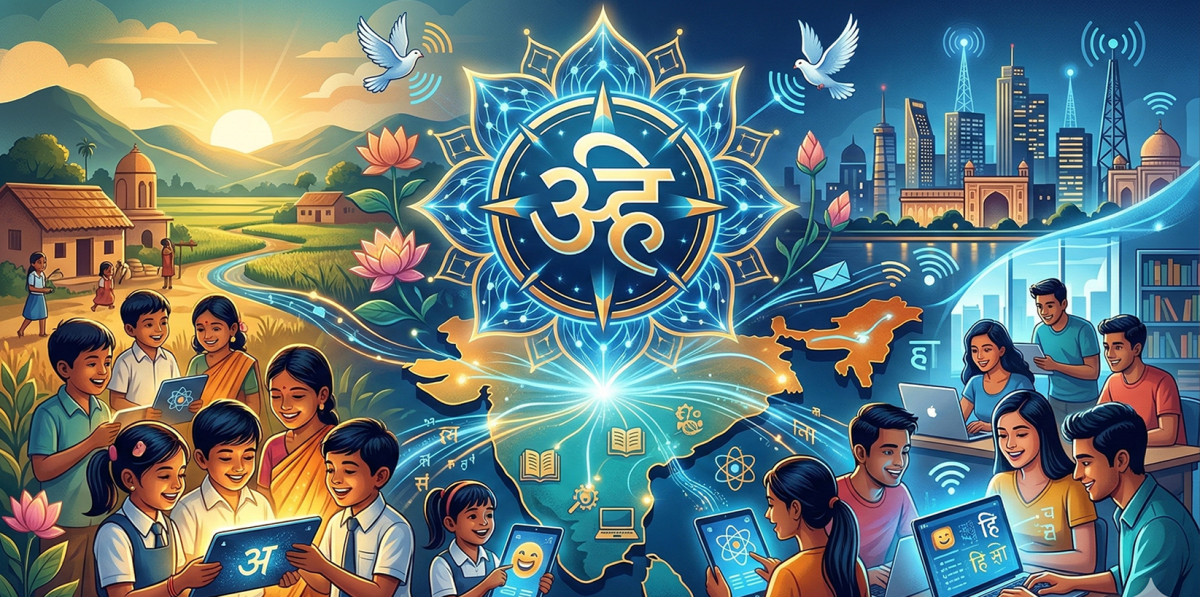
India’s artificial intelligence ecosystem continues to expand into new sectors, and education is now becoming a major focus area. Recently, Tech Mahindra unveiled a Hindi-first Education LLM designed specifically for digital learning platforms and agent-based AI systems.
The initiative aims to make AI-powered education more accessible to millions of students who primarily learn in Hindi and other regional languages. As AI-driven learning tools become more common globally, this launch signals a strong push toward inclusive and language-aware education technology in India.
Why a Hindi-First AI Model Matters
Most global AI learning systems are built primarily around English datasets. However, a large portion of India’s population studies and consumes educational content in Hindi and other regional languages.
By developing a Hindi-first large language model, Tech Mahindra is addressing a key accessibility gap in the education ecosystem. This model allows AI-powered learning platforms to deliver explanations, tutoring, and learning support in a language that is familiar and comfortable for students.
At WebMap Network, we observed that language accessibility is becoming one of the most important factors in scaling AI adoption across emerging digital economies.
Enabling AI Tutors in Hindi
One of the core goals of the Hindi-first education LLM is to power AI-based tutoring systems that can interact with students conversationally. These AI tutors can help learners understand complex subjects, answer questions, and guide them through exercises in Hindi.
Such systems could be integrated into online learning platforms, school digital infrastructure, and remote education programs.
AI tutors powered by language-aware models may also help address teacher shortages in certain regions by providing supplementary learning support.
Integration with Agent-Based AI Systems
Another major aspect of the model is its compatibility with agent-based AI systems. Instead of functioning only as a chatbot, the AI can act as a learning assistant capable of performing multiple tasks.
These systems may be able to:
Explain lessons step by step
Guide students through assignments
Provide personalized learning suggestions
Assist teachers with curriculum support
This aligns with the broader shift toward agentic AI, where AI systems actively assist users rather than simply responding to prompts.
Expanding AI Accessibility Beyond English
The launch also reflects a larger trend in the AI industry… the move toward localized and sovereign AI ecosystems.
By prioritizing Hindi and potentially expanding to other regional languages, the model could help millions of learners participate in digital education platforms that were previously limited by language barriers.
This approach supports India’s broader goal of making AI technology inclusive and accessible across diverse communities.
What This Means for the Future of Education
AI-powered learning systems are expected to play an increasingly important role in the future of education. Language-specific models could enable personalized learning experiences for students in different regions and backgrounds.
At WebMap Network, we observed that the next wave of AI innovation in education will focus not only on intelligence and performance but also on accessibility and linguistic inclusivity.
The development of Hindi-first education AI models represents a step toward democratizing digital learning in India.