Empowering Educators – How AI and Teachers Transform Education Together

Introduction
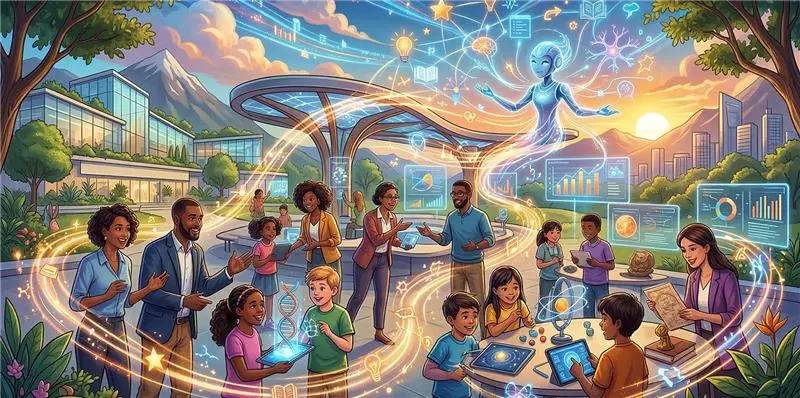
For decades, the conversation around AI in education has been dominated by a single, misplaced fear: “Will AI replace teachers?” At Webmap, we believe the answer is a resounding no. Instead, AI is the tool that will finally allow teachers to do what they do best… teach.
Currently, educators spend over 40% of their time on administrative tasks, grading, and manual data entry. By integrating Docsity into the academic workflow, we are moving toward a future where technology handles the “information management” while the teacher focuses on “inspiration and mentorship.”
1. Automating the Mundane: The Teacher’s New Assistant
The administrative burden is the leading cause of teacher burnout. Webmap changes this dynamic by automating the repetitive parts of the job:
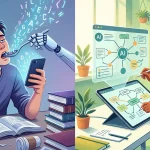
- Instant Resource Creation: Instead of spending hours creating study guides from a textbook, a teacher can use Docsity to generate summaries, quizzes, and key-point checklists in seconds.
- Paperwork to Intelligence: Using Intelligent Document Processing (IDP), handwritten student submissions or physical forms can be digitized and indexed instantly, making them searchable and easier to track over time.
2. The “Weblink Agent”: Extending the Teacher’s Reach
One of the most powerful features of the Webmap ecosystem is the Weblink Agent.
- 24/7 Availability: A professor can upload their specific lecture notes, research papers, and grading rubrics into a Docsity module. This creates a “Weblink Agent” that students can query at 3 AM.
- Consistency: The AI doesn’t just give general internet answers; it answers based specifically on that teacher’s curriculum, ensuring students stay on track with the classroom’s specific learning goals.
3. Deep Insight through the Annotations Workspace
The Annotations Workspace isn’t just for students; it is a diagnostic tool for educators.
- Identifying Gaps: By reviewing the “Snips” and questions students frequently ask the AI, teachers can identify which concepts are the most difficult for the class and adjust their next live lecture accordingly.
- Side-by-Side Review: Teachers can provide feedback directly next to a student’s AI-generated summary, creating a collaborative digital environment that bridges the gap between AI assistance and human expertise.
Conclusion & Webmap Analysis
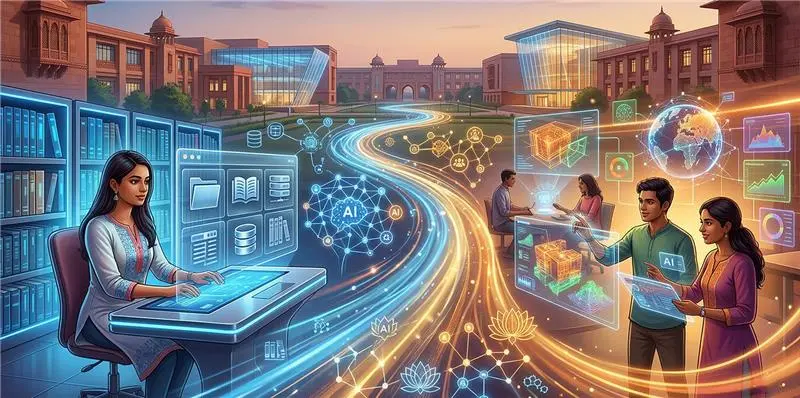
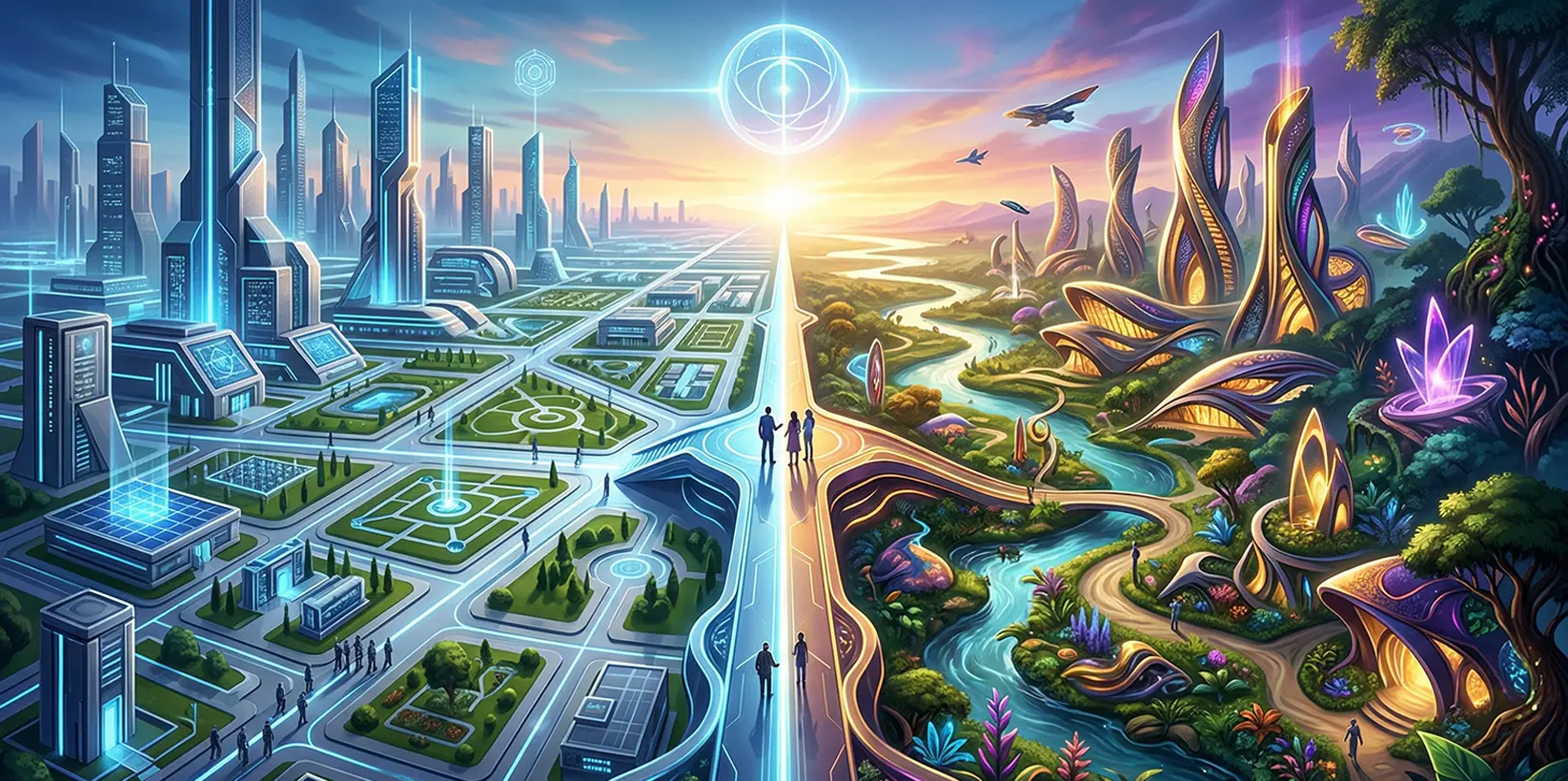
The future of education is not a choice between “Human” or “AI”; it is the powerful combination of both. When we remove the friction of data management, we give teachers back the time to mentor, motivate, and innovate.
Webmap Analysis: Our evaluation of this collaborative model indicates that when AI handles the primary “Query and Retrieval” phase, the quality of teacher-student interaction improves significantly. By converting static documents into “Documents that Answer,” Webmap reduces the teacher’s administrative cognitive load by approximately 50%. This creates a scalable educational environment where a single instructor can maintain high-quality, personalized engagement with a larger student body without sacrificing their own mental well-being or academic standards.